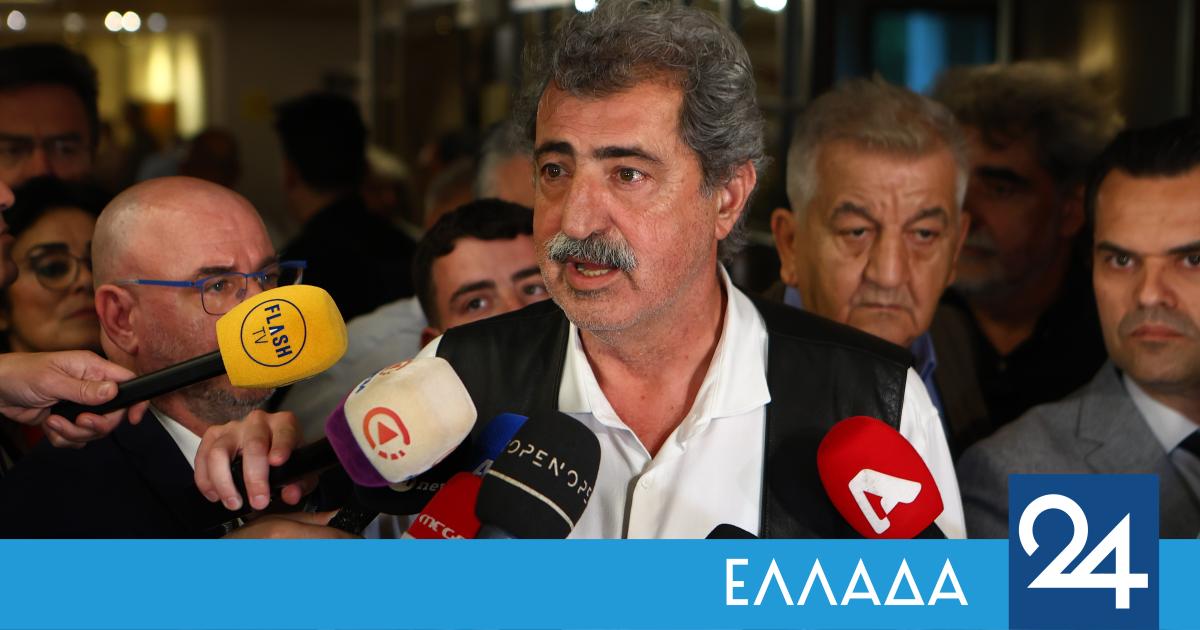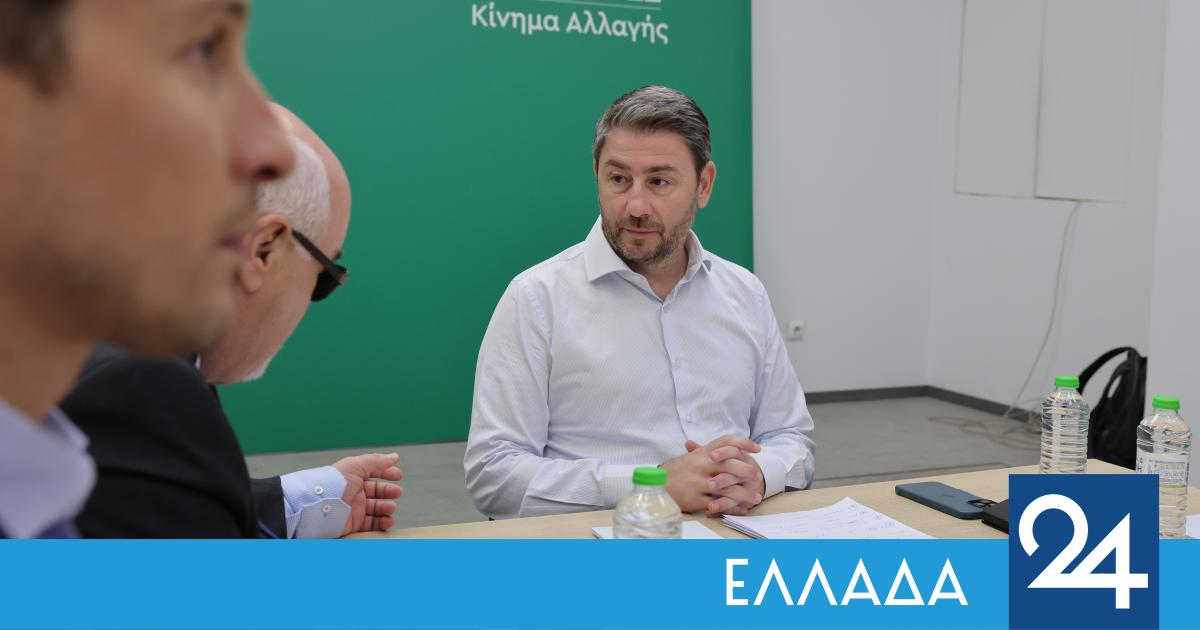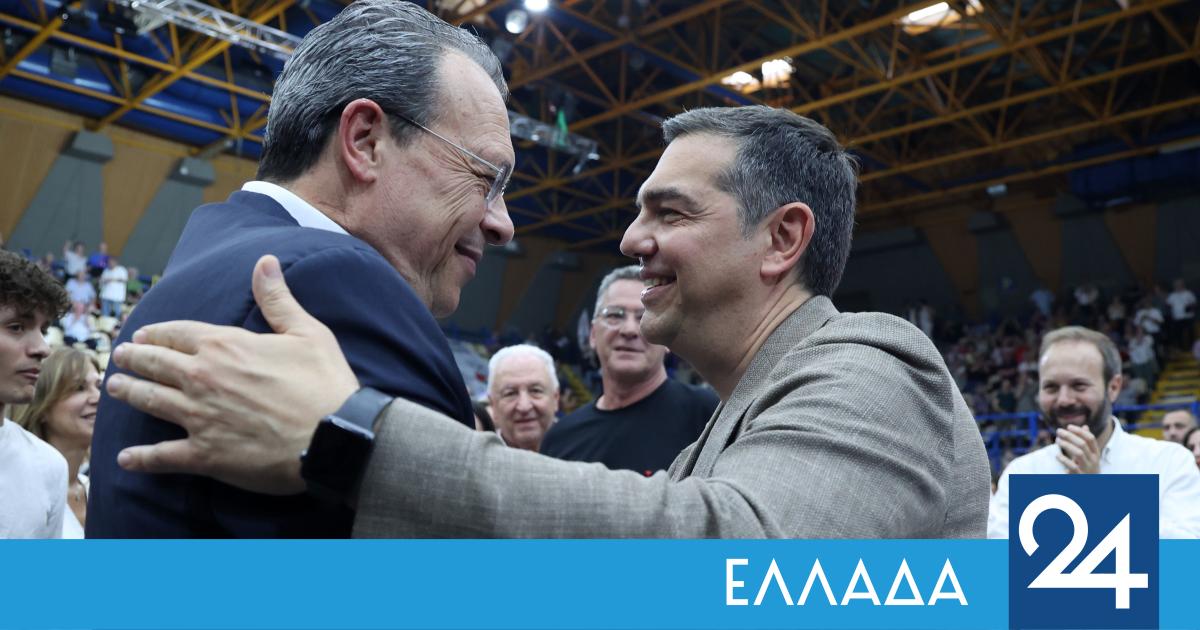
The leak of the dialogue between PASOK President Nikos Androulakis and the commander of the National Security Service, Themistocles Demiris, regarding the case of the interceptions, is turning into a serious political and parliamentary issue, following today’s (20.05.2026) closed-door meeting of the Parliament’s Committee on Institutions and Transparency.
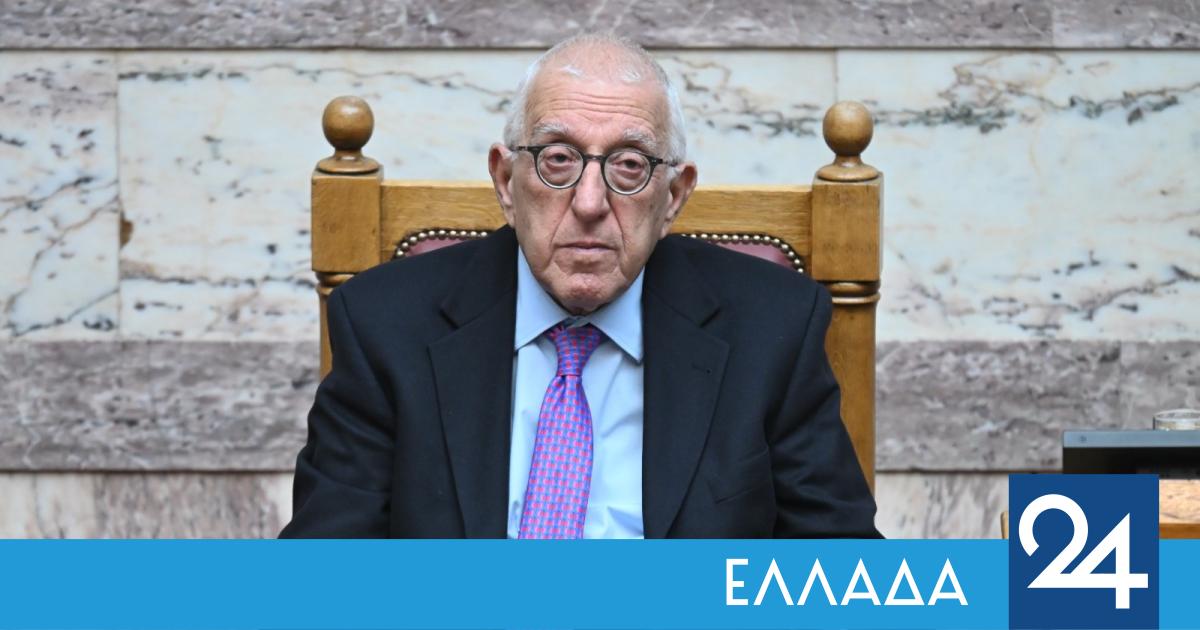
Tones rose further when the President of the Parliament, Nikitas Kaklamanis, reacted strongly to the leaks of the secret procedure, in which PASOK President Nikos Androulakis had a heated confrontation with the commander of the National Security Service, Themistocles Demiris, on the reasons for his surveillance.
Nikitas Kaklamanis announced an investigation to identify the source of the leaks. “Tomorrow morning I will ask the Ethics Committee to collect everything, to investigate where the leaks came from and if they come up with persons to proceed with the legal procedures,” he said. The Speaker spoke of a direct insult to the parliamentary function, using particularly strong language. “What has been done is not just a trivialisation of the parliamentary process, it is a parliamentary aberration, it is even a criminal offence,” he said.
“When we say a committee is secret … it can be said from something very serious to something very silly. Secret is both serious and silly,” he added, annoyed.
The closed-door meeting and the dialogue between Androulakis and Demiris
The meeting was held behind closed doors, in accordance with Rule 43 A of the Parliament’s Rules of Procedure, which stipulates that discussions on the activity of the NIS are secret and that the members of the committee are bound to maintain secrecy even after the end of their term of office. At the heart of the meeting was the heated debate between Nikos Androulakis and the commander of the NIS, on whether there were recorded reasons for the surveillance of the PASOK president.
Themistoklis Demiris initially said that the relevant file had been handed over to the ANSF. However, when Androulakis asked directly whether the file contained the reasons for his surveillance, the commander of the EIS replied in the negative.
“Are the reasons for my surveillance written in the file?”, the PASOK president asked.
“No, only the order is included,” Themistocles Demiris replied.
This answer provoked a strong reaction from Nikos Androulakis. “So you did not deliver the reasons for which my surveillance was ordered. Where are these documents?” he countered.
The commander of the NIS then argued that “many times requests are made verbally”, sparking a new round of tension in the room.
“Are you saying that my surveillance was ordered verbally? Is that what you are telling me?” the PASOK president asked.
“No, that’s not what I’m saying,” Themistocles Demiris replied.
Nikos Androulakis returned to even higher tones: “What are you saying? Have you seen in a document the reasons for my surveillance?”
The response of the commander of the NIS was again negative. “No, I have not seen them. When a team from the SIA came to the department for an inspection, we showed them what we had,” he said.
The statement provoked a new reaction from the PASOK president. “So, what did you show the ADAE? Something that you yourself never saw, as you just told us? Stop despising our intelligence. You are addressing the House of Representatives and you have an obligation to take what you say seriously,” he said in a sharp tone.
Nikos Androulakis continued, leaving clear points about the management of the case by the EIS administration. “Today, therefore, Mr Demiris is telling us that while all this has happened in recent years, he did not have the “interest” to know the reasons why one of the biggest scandals broke out,” he noted.
And he finished with a new attack: “The first time he came before the Institutions Committee he invoked secrecy. Now he does not invoke privilege but tells us flatly that he has never seen a document with the reasons why my surveillance was requested.”