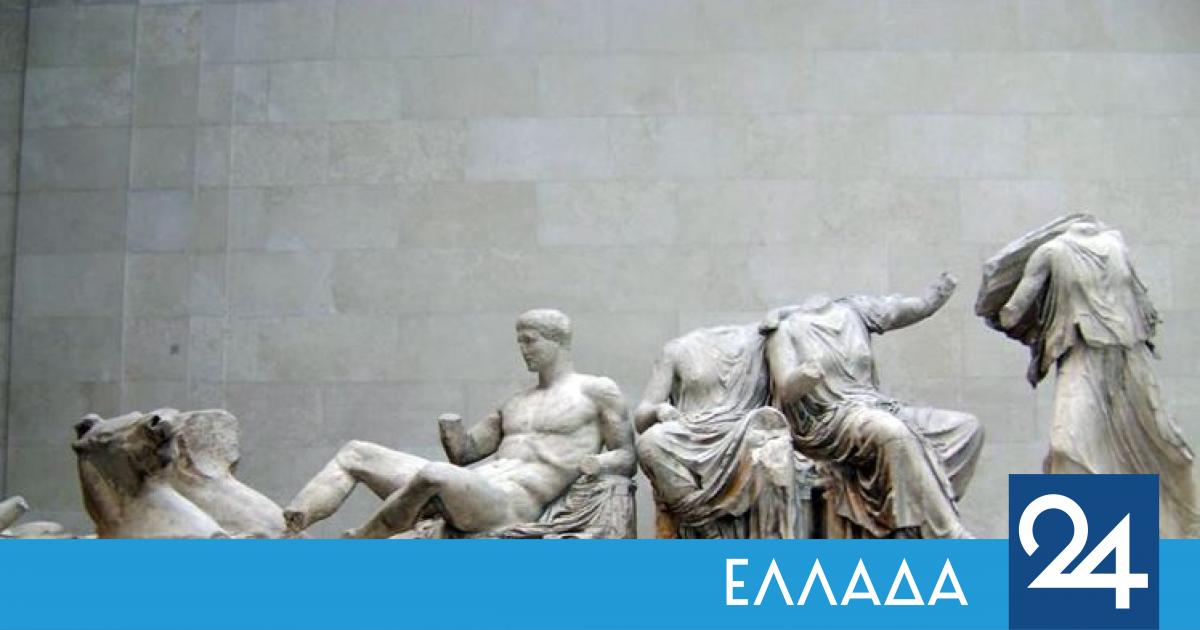
An important diplomatic development in Greece’s favour is being recorded within UNESCO on the issue of the return of the Parthenon Sculptures. The Intergovernmental Committee now seems to be adopting in a clearer way the position that the Sculptures are an integral part of the Greek cultural heritage.
The issue has been on the Commission’s agenda since 1984, when it was first raised at the initiative of Melina Mercouri, with Greece constantly reiterating that the Sculptures and their symbolic value are inextricably linked to Greek cultural identity.
More support for Greek positions
During the 25th session of the Intergovernmental Committee, the Greek arguments were widely accepted, as the majority of the participating states supported the Greek positions.
This development reinforces the Greek approach that the issue of the Sculptures is not just a bilateral issue with the British Museum, but a broader issue of cultural justice with historical and moral dimensions.
In previous meetings, the Commission had expressed concern about the long-standing pending issue and called for intensified efforts to find a solution.
The cultural dimension of the issue
The recognition of the connection between the sculptures and the Greek cultural heritage strengthens the argument that they are not isolated exhibits, but parts of a single monument, the Parthenon, with an unbroken historical and cultural link to Athens.
The Acropolis Museum follows the same logic, presenting the sculptural decoration as a single whole, with the original works and the corresponding copies of the parts located outside.
Diplomatic pressures and perspectives
This new development increases pressure on the UK and the British Museum, strengthening the argument for a comprehensive solution to reuniting the sculptures.
UNESCO has repeatedly called for dialogue between the parties involved, and since 2021 has acknowledged that the issue is not only a matter for the British Museum, but also for the UK government, highlighting its intergovernmental nature.
.