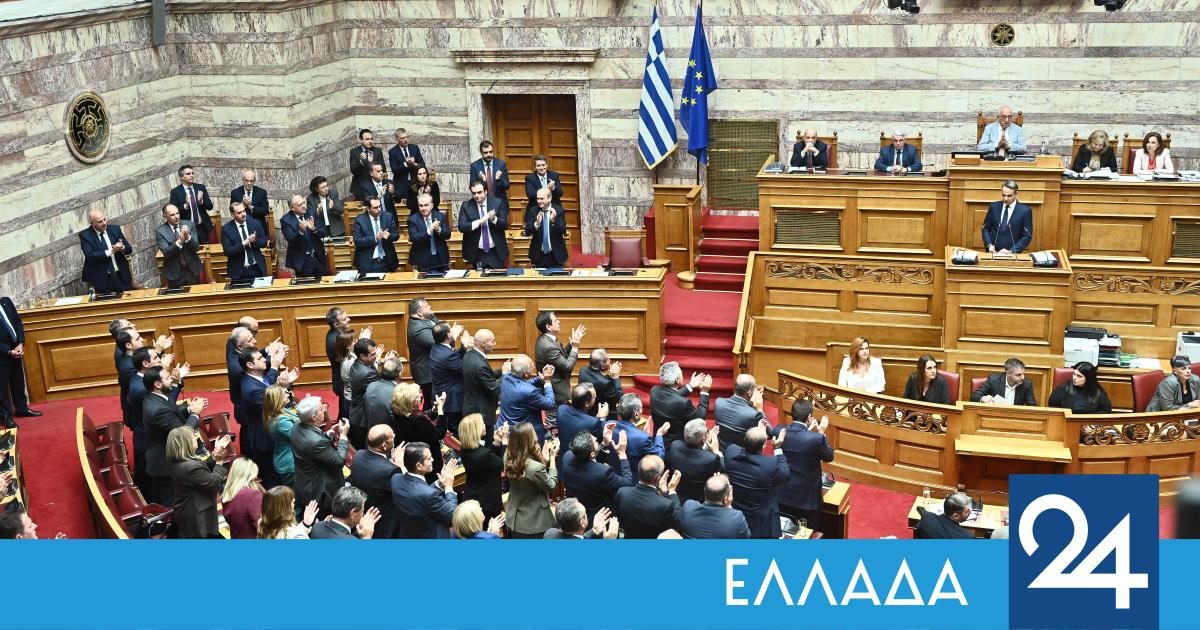
PASOK’s proposal to set up a committee of inquiry into the wiretapping case was rejected by the Parliament, following a roll-call vote in the plenary session.
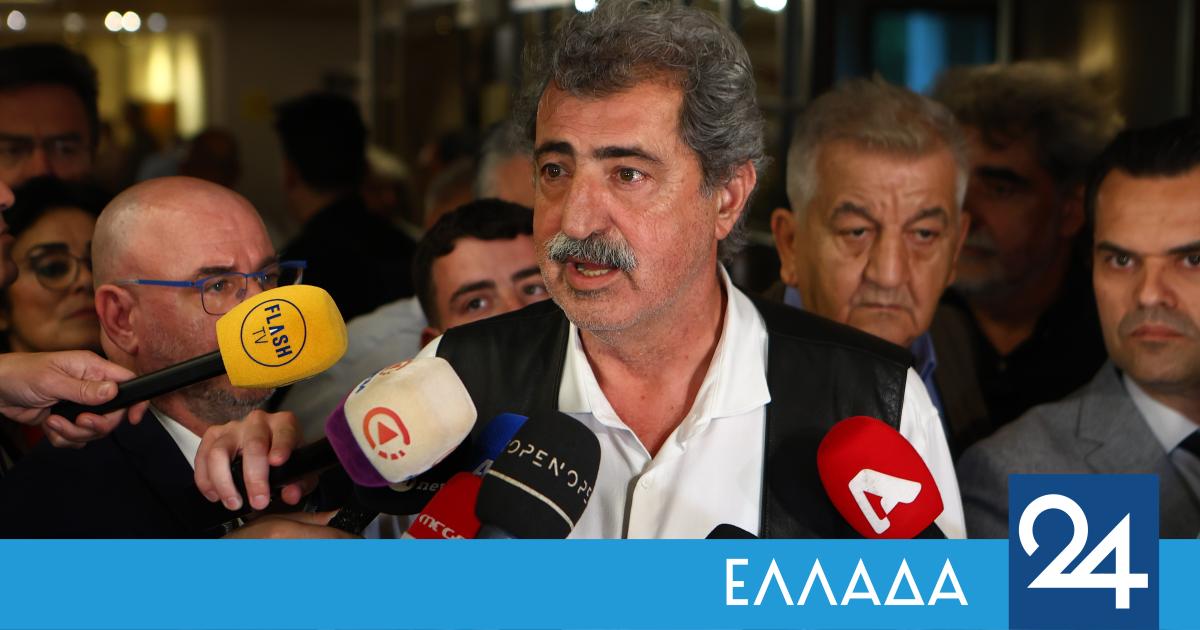
A total of 161 MPs took part in the vote, as opposition parties withdrew from the proceedings, with the exception of Plysi Eleftherias, which remained in the chamber.
According to the result of the roll-call vote:
Of the 161 MPs present, 155 New Democracy MPs voted against, while six MPs – five from the Eleftherias Party and independent MP Nikos Papadopoulos – voted in favour of the PASOK proposal, which did not obtain the required majority of 151 MPs. MP Giorgos Vlachos was absent from the New Democracy party.
Earlier, immediately after the speeches of their leaders, all opposition MPs had left, with the exception of Plysi Eleftherias.
The debate in Parliament was held in particularly high tones, with the debate between the government and the opposition focusing on the political dimensions of the case, but also on the functioning of the institutions and transparency.
All the opposition denounced the ND’s position for a required majority of 151 votes for the establishment of the Commission of Inquiry, instead of a majority of 2/5 of all MPs, i.e. 120 votes, which was part of PASOK’s proposal. “Another episode in the cover-up of the wiretapping scandal has been contributed by the government majority and another parliamentary coup d’état has been imposed”, PASOK, SYRIZA, KKE, ELLY, NIKI, Nea Aristera and Plysi Eleftherias denounced.
The New Democracy party, through its rapporteur, Makis Voridis, invoked Article 68 par. 2 of the Constitution, which stipulates that for matters of national security, defence and foreign policy an absolute majority of all MPs is required.
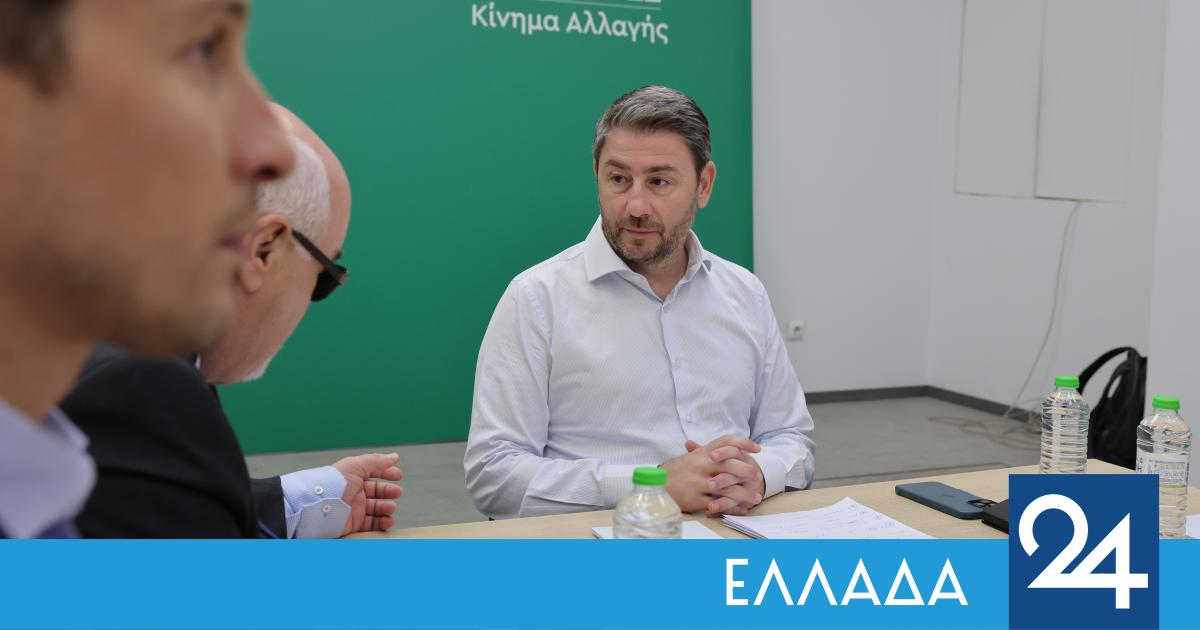
PASOK had called for the case to be investigated by a committee of inquiry, arguing that there are serious issues that need to be examined at the parliamentary level. The government rejected the need for a new inquiry, arguing that the matter had already been investigated institutionally.
This development is expected to spark a new round of political controversy as the issue of wiretapping remains at the top of the political agenda.