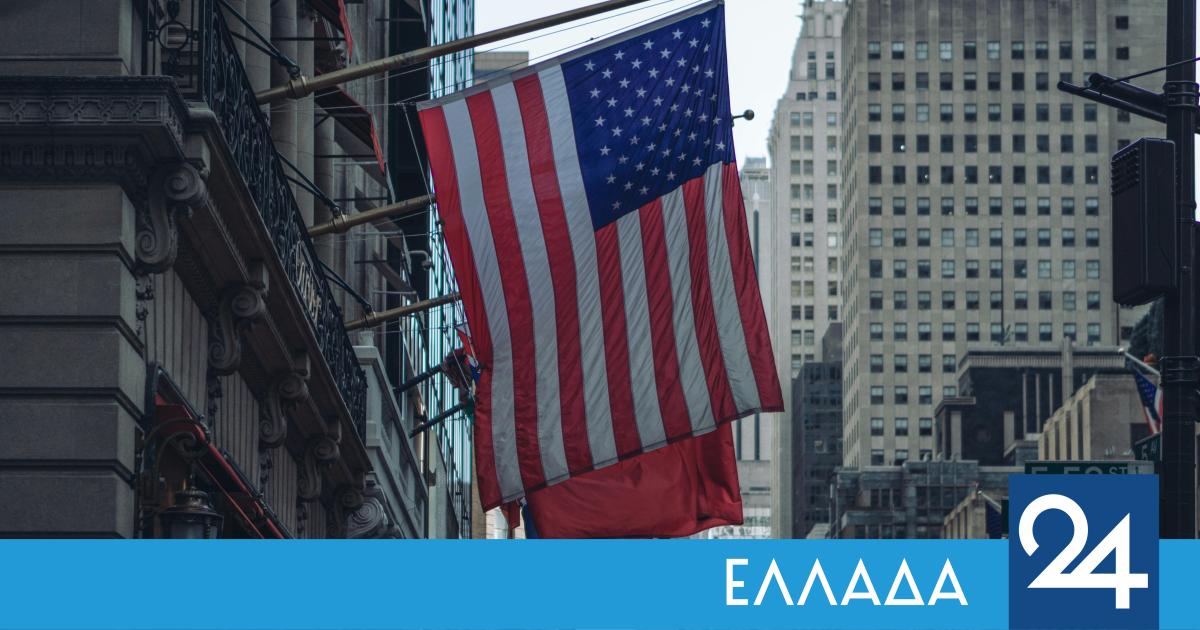
U.S. Secretary of State Marco Rubio warned Cuba yesterday, Thursday, that the U.S. is “determined” to impose change on the island after U.S. prosecutors brought charges against Cuban former President Raul Castro.
“Their economic system is not working. It is flawed and cannot be fixed with the current political system,” Rubio told reporters from Miami.
“What they’ve gotten used to over the years is just buying time and expecting us to get tired,” he added. “They won’t be able to stall or buy time anymore. We are very serious, very determined,” he stressed.
The US secretary of state, who is himself of Cuban descent and strongly opposes the island’s communist government, said however that the US hoped to avoid the use of force and noted that it preferred “a diplomatic solution.”
The indictment by the US judiciary against former Cuban President Raul Castro has sparked speculation that US President Donald Trump could use it as a pretext to attack the island and arrest him, as he did with Venezuelan President Nicolas Maduro who was captured by US forces in January and is now being held in the US.
Rubio also confirmed that Cuba had accepted $100 million in conditional aid. However, he stressed that this aid should not fall into the hands of the Gaesa military-financial group, which controls much of Cuba’s economy.
Earlier in May, Washington imposed sanctions on Gaesa.
Rubio announced yesterday that the sister of Gaesa’s chief executive had been arrested in the US after her legal residence permit was revoked.
Raul Castro, 94, the brother of the late Cuban leader Fidel Castro, is charged along with others by the US Justice Department with conspiracy to kill Americans in 1996 when two civilian aircraft carrying Cuban exiles were shot down by a Cuban air force fighter jet, killing four people. At the time, Raul Castro was Cuba’s defence minister.
Raul Castro was Cuba’s defence minister at the time.
According to the official Cuban newspaper Granma, organisations have called for rallies this morning to “condemn this despicable action” by the US government.
The aircraft carrier Nimitz in the Caribbean
Yesterday Thursday came the first international reaction from China, with Beijing declaring itself “strongly opposed to illegal, unilateral sanctions that have no basis in international law and (…) opposed to the abuse of judicial remedies”, as well as “opposed to pressure exerted by outside powers on Cuba under any pretext.”
Following the capture of Venezuelan President Nicolas Maduro, the Trump administration has made no secret of its intention to bring about regime change in Havana and is applying maximum pressure on the island.
In addition, the US military announced that the aircraft carrier USS Nimitz is in the Caribbean. Asked if the deployment of this ship is intended to intimidate Cuba, Trump responded yesterday: “No, not at all.”
Besides the embargo, in place since 1962, he imposed an oil blockade on Cuba in January — since then he has allowed only one Russian crude tanker to pass through.
In early May, the U.S. government announced a further tightening of sanctions against Cuba.
Now, the island of 9.6 million people is plagued by an unprecedented socio-economic crisis, with many Cubans lacking access to goods and basic necessities.
The state of the electricity grid is also critical, as the country no longer has any fuel supplies. Endless, repeated power cuts have sparked protests in Havana neighborhoods in recent days.