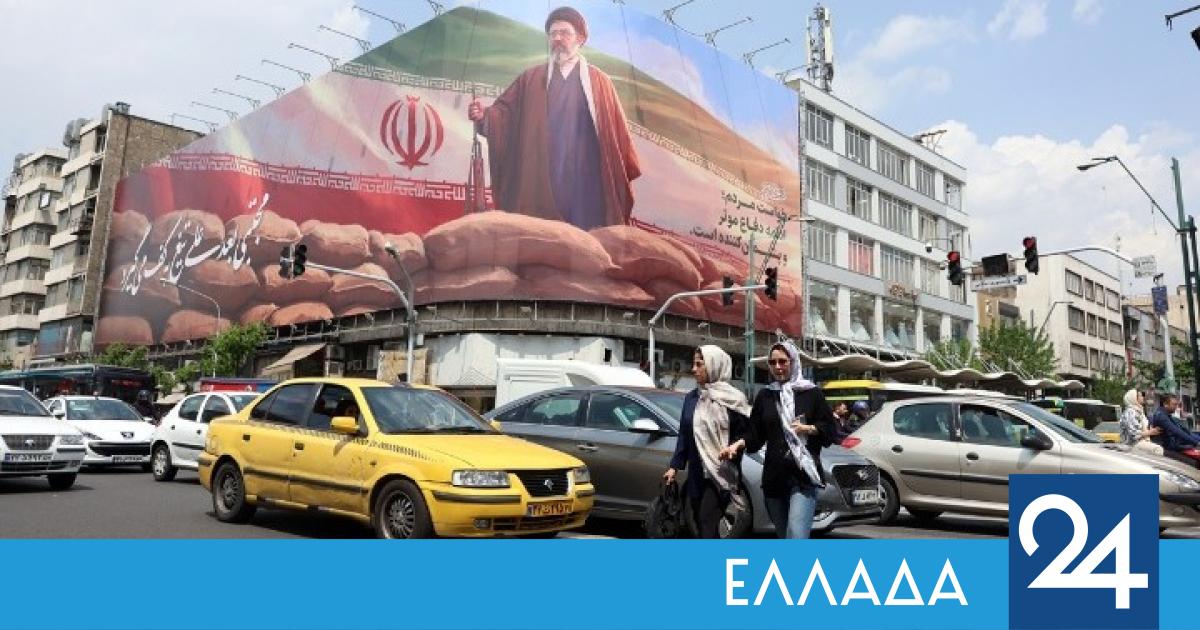
Iran moved yesterday (Wednesday) to seize two ships in the Strait of Hormuz and again ruled out opening the strategically important sea route as long as the blockade of Iranian ports by US armed forces is not lifted, while the US downplayed developments in which it saw no ceasefire violations.
Tensions remain heightened in the strait, crucial to global hydrocarbon supplies, which has become a stake in the war the US and Israel launched against the Islamic Republic on February 28.
“A complete ceasefire is meaningless unless it is not violated by the (US) naval blockade (…) reopening the Strait of Hormuz is impossible as long as this flagrant violation of the ceasefire continues,” Iranian parliament speaker Mohammad Bayr Galibaf said via X.
On the other side, US President Donald Trump assured that it is “possible” that negotiations between the two states, sworn enemies, could resume in the coming days. “It’s possible!” he replied to a message from a New York Post reporter, who asked him about the possibility of negotiations in the next “36 to 72 hours,” in other words, by tomorrow, Friday.
The Revolutionary Guards said they had proceeded to “seize” two ships attempting to cross the Strait of Hormuz and steered them “towards Iranian shores.”
The White House did not see this development as a violation of the ceasefire, in effect since April 8, since “these are neither American ships nor Israeli ships” but vessels from other countries, US presidential spokeswoman Caroline Levitt told Fox News.
Panamanian authorities have confirmed the seizure of a ship flying the country’s flag, the MSC Francesca; the Panamanian foreign ministry accused Tehran of dealing a “serious blow” to maritime security.
A third vessel came under fire as it sailed 8 nautical miles off the coast of western Iran, according to a statement from the UKMTO navigation safety agency, however that vessel was able to exit the strait heading for Jeddah, Saudi Arabia, according to the specialist website MarineTraffic.
According to Tehran, the ships should have received permits to move to or from the Gulf through the strait; the US has been blocking access to Iranian ports since April 13.
<p
No (?) deadline
The talks between Washington and Tehran, which were supposed to resume earlier this week after an initial meeting on April 11, are intended to allow an end to the war that has claimed the lives of thousands of people, most of them in Iran and Lebanon.
Donald Trump extended until further notice the ceasefire with Iran on Tuesday night to give, according to him, more time for the Iranians to prepare a “proposal” and go to Islamabad for negotiations with the Americans under the auspices of Pakistan.
However, “the president has not set a specific deadline for Iran to submit a proposal,” spokeswoman Levitt said yesterday, adding that “ultimately he will dictate the timeline.”
As of now, no delegation has left for Islamabad.
Oil prices rose again on uncertainty, up more than 4 per cent in the early hours, with that of US WTI rising 4.06 per cent to $96.73 and that of North Sea Brent up 3.62 per cent to $105.63 a barrel.
Pakistani Prime Minister Shabaz Sharif, who called for the truce to be extended, hoped the two sides could “reach a ‘Peace Agreement’.”
The Iranian foreign ministry spokesman said yesterday that Tehran “appreciates” the efforts being made by Pakistan to end the war, but did not explicitly express support for extending the ceasefire.
Meanwhile, top US naval civilian official John Phelan is leaving his post, the Pentagon announced quite unexpectedly, without explaining why.
Deadly bombing in Lebanon
On the other major front of the war, four people were killed yesterday in Israeli shelling in Lebanon, despite a ceasefire that expires on Sunday, with Beirut preparing to call for its extension at talks scheduled to take place today in Washington between the two countries–which have no diplomatic relations–at the ambassadorial level.
“Lebanon will demand an extension of the ceasefire for one month, strict observance of the ceasefire and a suspension by Israel of (…) destruction operations (of houses, other buildings, infrastructure) in the areas where it has a presence,” a French Agency source told the Lebanese government.
Israel’s diplomacy assured before these talks that it has no “serious disagreements” with the Lebanese government, urging it to choose “cooperation” against Hezbollah, a Shiite group affiliated to Iran.
According to the most recent official count, at least 2,454 people have been killed in Lebanon in six weeks of war.
An Israeli army airstrike killed journalist Amal Khalil and wounded her colleague yesterday near the Lebanon-Israel border, according to the medium she worked for, Al Ahbar newspaper, and a statement from the non-governmental organisation Committee to Protect Journalists (CPJ).