“The crisis in the Middle East is shaping an environment of intense uncertainty. No one can predict with certainty either the duration or the scope of the consequences, particularly if there are prolonged disruptions to energy flows and maritime transport. In such an environment, the risk of a slowdown in the global economy is real and will inevitably affect Europe.”
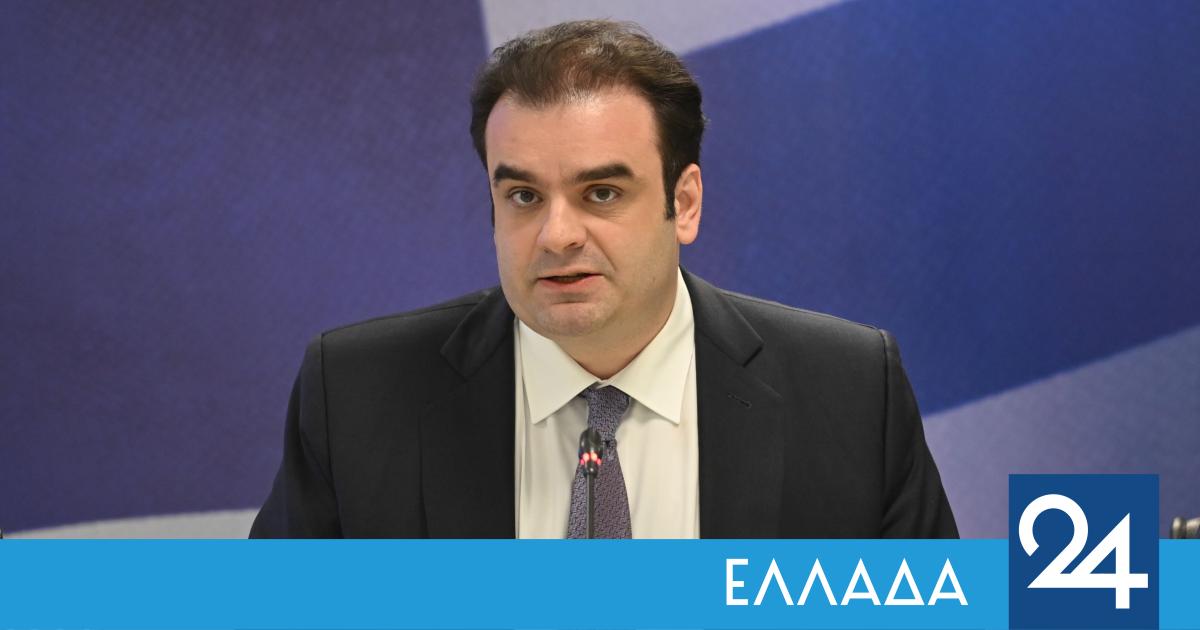
This was stated by the Minister of National Economy and Finance Kyriakos Pierrakakis, in an interview with Real News, adding, however, that “the big difference, however, as far as Greece is concerned, is that today the country is not entering this difficult period as part of the problem. It is no longer the weak link. It is an economy that is growing faster than the European average, with growth of around 2.1% in 2025, when many European economies are running close to 1% or lower. That in itself is an important safety cushion against an international shock.”
He also pointed out that “even more importantly, this growth is not based on a single sector, but on multiple sources: investment, Recovery Fund resources, tourism, services exports, industry, but also on the continued improvement of employment. This means that the Greek economy is now more outward-looking and more resilient to external shocks. All this allows us to be cautiously optimistic that Greece will be able to overcome this crisis as well.”
Asked whether the fiscal reserves for a possible new wave of citizen support measures exist today and on what factors their activation will depend, the minister said that “the fiscal space exists, but it is not inexhaustible. At this stage we have made available about €300 million. This is not the end of the interventions, it is the beginning. As long as the crisis lasts, we will stand by society. We are not going to leave households, small businesses and farmers unprotected in the face of an international storm.
The measures are targeted and this enables us to make the interventions last, to support those who are really in need and at the same time to protect fiscal stability. Where necessary , existing measures – the diesel subsidy at the pump, the Fuel Pass, the 15% rebate on the value of fertiliser – will be extended in time to support incomes and particularly our most vulnerable citizens.
If the crisis is prolonged and energy pressures intensify, then obviously new initiatives will be needed. The government will exhaust every available fiscal space, because at the end of the day, economic policy only makes sense when it keeps society on its feet.”