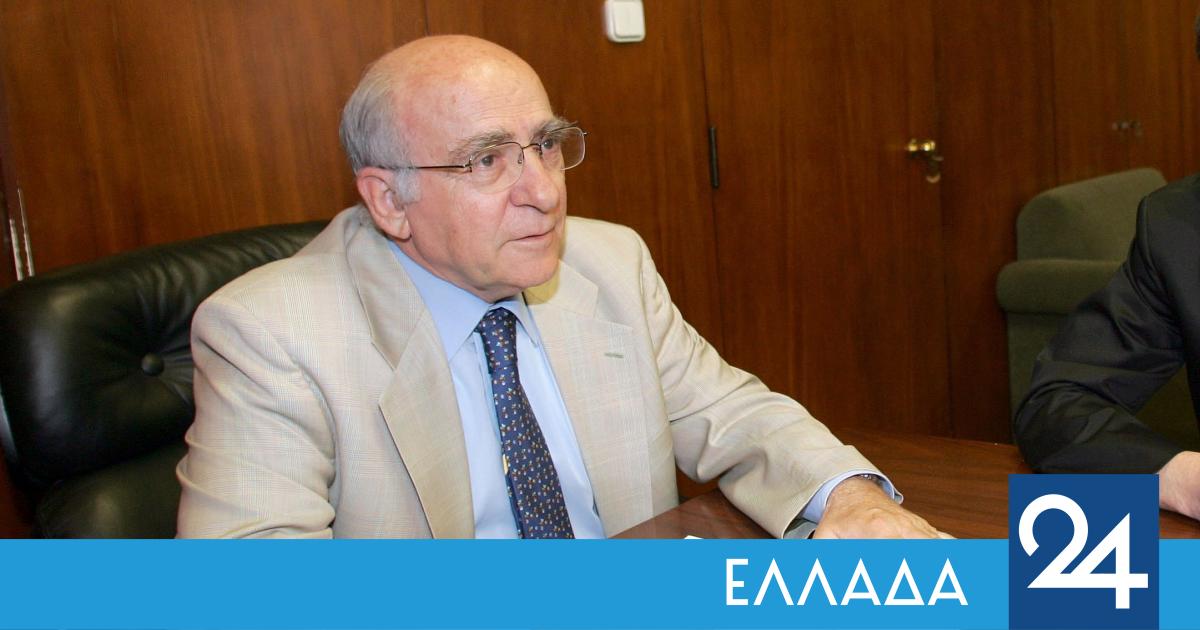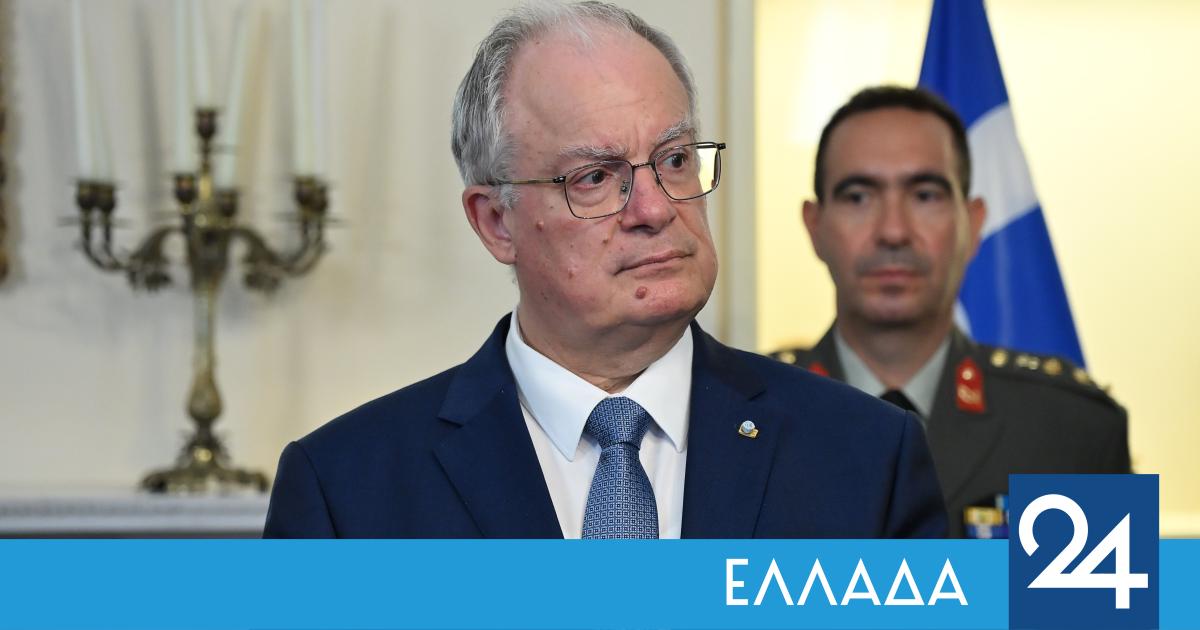
Banning access to social media under the age of 15 was at the heart of a debate organised as part of the “11th Delphi Economic Forum 2026”. More specifically, the panel under the title “Growing up responsibly and safely in a connected world” was attended by Akis Skertos, Minister of State responsible for monitoring the government’s work, Dimitris Papastergiou, Minister of Digital Governance and Artificial Intelligence, Sofia Zacharaki, Minister of Education, Religious Affairs and Sports, as well as Achilleas Kanaris, CEO of Vodafone Greece.
In presenting key findings from research conducted by the Vodafone Foundation in collaboration with Save the Children, panelists addressed the need to strike a balance between abstaining from technology and overusing it.
Jeffrey DeMarco, on behalf of Save the Children, reported that the sample of 13-19 year olds surveyed from Greece showed that they generally know how to be safe online. However, the challenge today, he said, is that technologies are changing and they have to constantly adapt to new developments.
“The evidence is encouraging in terms of the level of knowledge and awareness of security issues, identity management online, as it appears high. The difficulty that seems to exist is in how they manage the time they spend online, but also how to manage their time and what they can do while they are not online.”
Also, the fact that in terms of overall well-being (relationships with family, friends, school), the sample of children in Greece had a relatively low index, highlighted, according to Mr. di Marco that connectivity does not necessarily translate into personal growth and well-being, and highlighted the importance of dialogue between the State not only with social media companies, but also with telecommunications companies, gaming platforms, cloud services and messaging.
‘Akis Skertsos: Our approach is not technophobic. We are the government that brought digitisation to the state
The belief that we should not stand in the face of technological developments was underlined by Akis Skertos, Minister of State responsible for monitoring the government’s work, and stressed that technology is not approached by the government with fear, as the ban on social media use by those under 15 concerns platforms that use algorithms that lead to addictions.
“We are the government that brought digitalisation to the state, we could not be technology deniers,” said Mr. Skertsos added: “Technology is our friend, it can help in having a more efficient state, care policies, protection policies.
The minister noted that “we cannot risk wasting time when we see results and negative consequences concerning children’s physical and mental health, their psychosocial development, the way they perceive themselves, their relationships”, and assessed that platforms “have been slow” to regulate the issue of access at an early age.
He also expressed satisfaction that the European Commission is coordinating with the agenda set by the Greek government, saying that “we will be able to have harmonised national and European policies in 2026, so that by the beginning of 2027 we will have a functioning and effective institutional framework”.
Dim Papastergiou: Cooperation with platforms is necessary
The importance of the State’s cooperation with social networking platforms was underlined by Dimitris Papastergiou, Minister of Digital Governance and Artificial Intelligence, who stressed that a common way of verifying the age and the place from which a user is connected should be found, in order for the ban on the use of social media under the age of 15 to yield positive results.
“This measure passes a message: that from now on access is prohibited. I have no illusions that it will not find a technical solution (to circumvent the ban), so we need the cooperation of the platforms,” he said.
Finally, referring to the Kids Wallet, the Greek state’s age verification initiative, he explained that it “does not give any personal data”, but only allows confirmation whether the user is over or under 15 years old.
S. Zacharaki: Need to combine constraints and education
Sofia Zacharaki, Minister of Education, Religious Affairs and Sport, spoke about the complex model of intervention in education, which will combine both restraint and training. She said that the ban on the use of mobile phones in schools is being implemented and strengthened, while cooperation with parents and teachers is required, as “nothing can succeed unless we all agree with each other”.
And, Ms. Zacharaki announced the launch of the “Connected Parents” platform to inform parents about digital risks and issues related to adolescence and pre-adolescence.
“Explaining and documenting to children has a dominant role,” he explained, and stressed the importance of educating children, parents and teachers on digital security and privacy management.
Ach. Kanaris: All together to build a safe online ecosystem
The need for cooperation between the State, Parents, Children and Technology Companies was underlined by the CEO of Vodafone Greece, Achilleas Kanaris. “The State sets the framework, the companies create the tools and the parents lead. The goal is not to leave the young generation outside the digital world, but to be able to move in it with security and confidence,” Kanaris said, stressing the importance of finding a balance of movements and initiatives within this framework.
“Together we can build an ecosystem that will allow children to be online all the time, but in a way that is not addictive, that does not affect their psychology, that does not deprive them from going outside, playing in the yard, socializing in the natural world,” he said.
Special on the role of companies in young people’s online experience and new technologies, he said they have a “responsibility to help create a safe and supportive digital environment for younger users”.