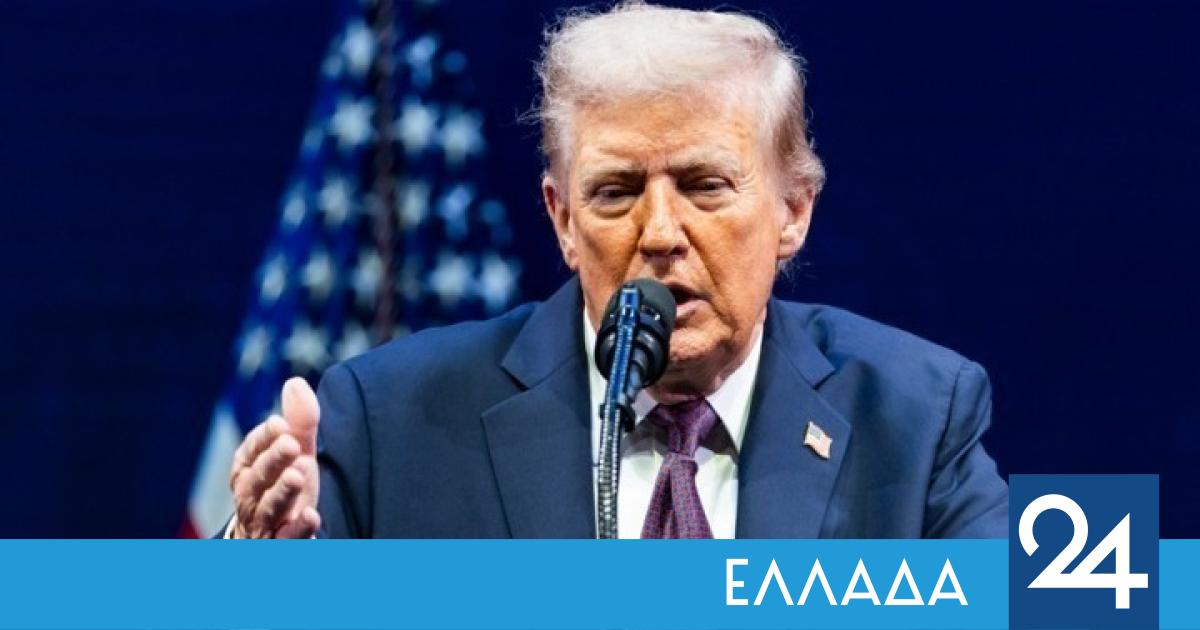
US President Donald Trump, speaking to reporters on his return to Washington on Air Force One, revealed details of his talks with Xi Jinping in Beijing, touching on issues such as Iran, Taiwan, tariffs and security in the Middle East.
On Iran, he said he could accept a multi-year suspension of the country’s nuclear program, even for two decades, as long as there were substantial and credible guarantees. At the same time, he left open the possibility of new military action, arguing that U.S. operations have significantly weakened Tehran. He dismissed reports that Iranian missile systems were being retained, and revealed that the recent ceasefire had gone ahead largely at Pakistan’s request.
Referring to Taiwan, the President made it clear that he gave no assurances to Xi Jinping, despite concerns expressed by the Chinese side. He assessed that a military incident is not likely, noting that the US does not want a military conflict so far from its territory. However, he did not rule out the possibility of new arms deals with Taiwan, saying that decisions on this would be made later.
He was also particularly sensational when he said that during the contacts in Beijing there was no discussion of tariffs, despite the fact that the issue is at the heart of US-China economic relations. Trump noted that Chinese tariffs remain high, recalling that after the October meeting in South Korea he had already moved to reduce US tariffs on Chinese goods to 47%.
Finally, the US President appeared open to the possibility of easing sanctions on Chinese companies that import Iranian oil, explaining that final decisions would depend on the course of the international energy market in the coming days. On the Strait of Hormuz, he said he did not seek China’s help to ensure free navigation as he did not want any quid pro quo. He stressed, however, that Beijing has every reason to want the sea route, on which its oil supply depends, open, unlike the United States, which he said no longer relies on the region for energy.