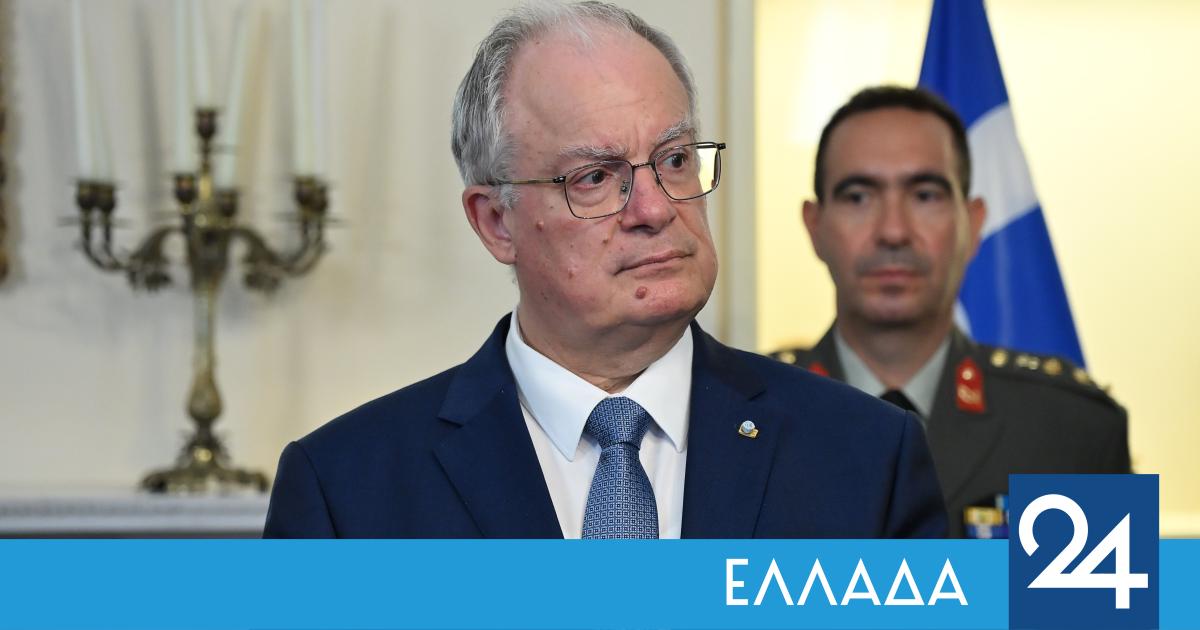
“The wave of many young people leaving Greece over the past decade, due to the multi-year economic crisis of 2010-2018, has led to a prevailing perception in the public debate that Greece still suffers from a brain drain. But is this really the case?” asks State Minister Akis Skertos in a post and answers with the language of numbers.
“The Eurostat and Elstat comparative figures say no. The trend of Greek men and women fleeing has now clearly turned into a trend of returning home. In fact, 2023 and 2024 recorded the historically highest repatriation rates in many years.
Let’s look at the actual data based on the time series of Greek citizens leaving and returning to Greece from 2010 to 2024 (the year of the latest available data).
A total of 773,296 Greeks have left Greece between 2010 and 2024 and 473,044 have returned. This means that there is a deficit of about 300,000 Greek citizens who are still missing from the country.
However, from 2022 onwards, i.e. after the pandemic, the stabilization and recovery of the economy, the repatriation of Greek citizens will experience a steady and remarkable increase, which now exceeds the reverse outflow of Greeks abroad.
Specifically, 130,101 Greeks returned to Greece between 2022 and 2024, about 20,000 more, while 110,223 left.
This reversal of brain drain to brain gain is the first time it has occurred since 2010 and is a very promising trend.
Indeed, 2024 is a record year for repatriations of Greeks, exceeding 50,000 (51,993) for the first time, whereas historically they have hovered between 25,000-30,000 per year. Similarly, while during the decade of the crisis Greeks leaving Greece approached or even exceeded 60,000 per year on average, in 2024 they fell by almost 50% to 32,141.”
But, according to A. Scherzo, “these figures do not justify celebration.
They do, however, confirm that our country has managed to regain the trust of citizens who left during the crisis, so that they are gradually starting to return to it. And that, at the same time, it is giving more opportunities to those who stay here so that they are not forced to emigrate to find their fortune in another country.
There are, of course, still major challenges remaining in wages, housing and quality of life for young people. But for the first time in many years, the general trend is changing direction.
None of this happened by accident or on its own. The steady reduction of taxes and contributions that improve the disposable income of citizens and create opportunities for investment and new better paid jobs, the digitalisation of the state that makes everyday life easier for all of us, the repatriation incentives that give 50% reduced income tax for 7 years to anyone returning to work either in the private or public sector, and the reduction of bureaucracy in the recognition of specialised foreign degrees with the automatic recognition of e.g. medical qualifications, the reduction of the bureaucracy in the recognition of foreign degrees, the reduction of the number of people who have to work in the public sector and the reduction of the bureaucracy in the recognition of foreign qualifications.
This is our vision: that Greece will once again become the country where our children will want and choose to live, study, work and create here in our country.
</html