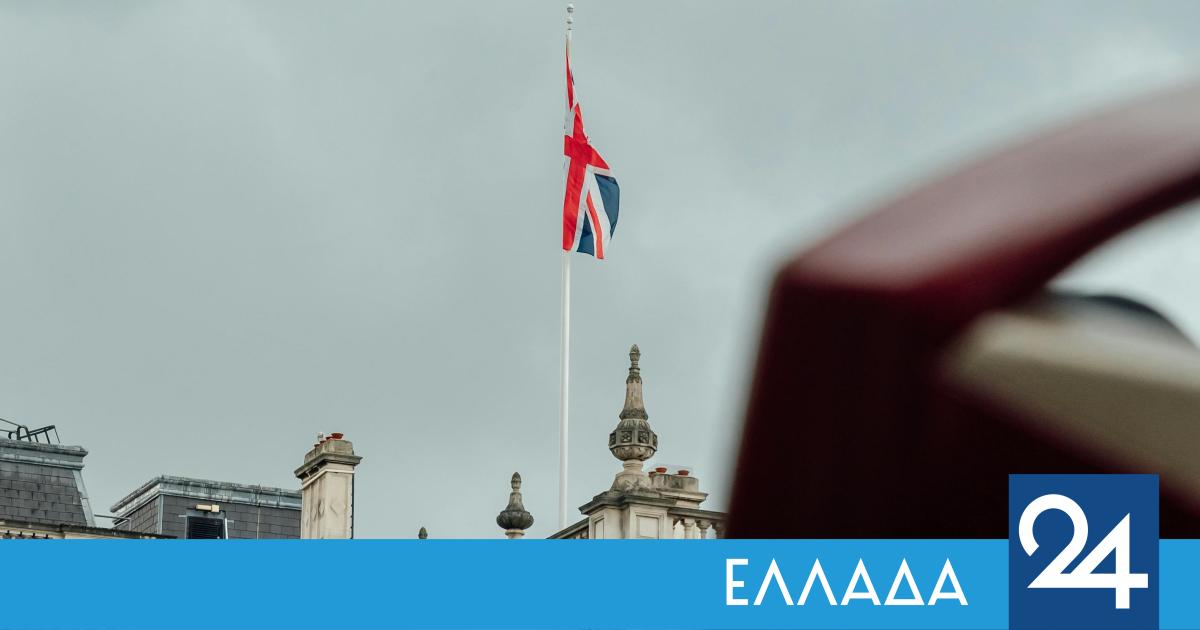
In July 2024, Kir Starmer arrived in Downing Street with a promise to restore stability after the waltz of successive Tory Prime Ministers. But for months now there have been growing calls for his resignation in a fresh sign of serious turmoil on the British political scene.
What has happened to the famous British World War II slogan “Keep calm and carry on”?
A decade on from the Brexit referendum, six UK prime ministers have succeeded each other. And after last Thursday’s disastrous local elections for the ruling Labour Party, Kir Starmers was left in a precarious position.
For comparison, between 1979 and 2016, a period of 37 years, Britons had known only five prime ministers, including Margaret Thatcher, who stayed in office for 11 years, and Tony Blair, in office for 10 years.
Kir Starmer “will not stay. The only question is when he will go and how,” sums up Anthony Sheldon, historian and author of books on the last four prime ministers.
More than 80 Labour MPs out of 403 called on him to resign yesterday. Four junior ministers resigned in protest.
Labour is divided over the future of its leader.
His supporters have rushed to take up battle positions. “A prolonged destabilisation is not in Britain’s interests,” said defence secretary John Healey, calling for all efforts to focus on the problems of the economy and security.
“It is not a game. Instability has consequences for people’s lives,” warned Shadow Home Secretary Steve Reid.
“Intolerant and irritable”
To explain this destabilisation, Anthony Seldon accuses MPs of becoming “intolerant”, “petulant”. “They want immediate results (…) they are permanently stuck in the polls,” he says.
Political commentator Matthew Syed, though no fan of Starmer, went so far as to tell the BBC that the UK is “becoming ungovernable”.
“How do you want to take an unpopular measure knowing that in the next 24 hours there will be huge rumours about his leadership position?”
Tony Travers, a political scientist at the London School of Economics, believes that the economic situation in the UK and the disappearance of economic growth are to blame for political instability.
<p
“An economic growth rate of 2.5 per cent a year allows governments to gradually reduce taxes and increase public spending. With a growth of 0% to 1% annually, this is not possible.”
Kir Starmer promised economic recovery, but growth has remained lacklustre.
But this dates back to before Labour and Kir Starmers came to power, according to Tony Travers, going back to the 2008 banking crisis, Brexit and the pandemic.
But this dates back to before Labour came to power, according to Tony Travers, going back to the 2008 banking crisis, Brexit and the pandemic.
Disappointment
On the streets of London, Britons respond to AFP questions by saying Kir Stamper must go.
“It’s sad because we’ve had so many prime ministers these last few years, it’s ridiculous,” says Claudio, a Labour voter. “But he’s no longer up to the task.”
According to Anand Menon, director of Changing Europe, the situation is “alarming.”
“There is a real danger that the longer this instability lasts, the more the chances increase that we will find ourselves with a populist after the next election,” scheduled for 2029.
The Reform UK party led by Nigel Farage emerged victorious in Thursday’s local elections, securing a large number of seats on councils in England at the expense of the Tories and Labour.
The UK is not the only European country experiencing this political instability, says Anand Menon, comparing the situation in Britain and France.
“Many factors in this instability are similar: populations frustrated by the lack of economic growth, as well as the effects of globalisation.”
</html