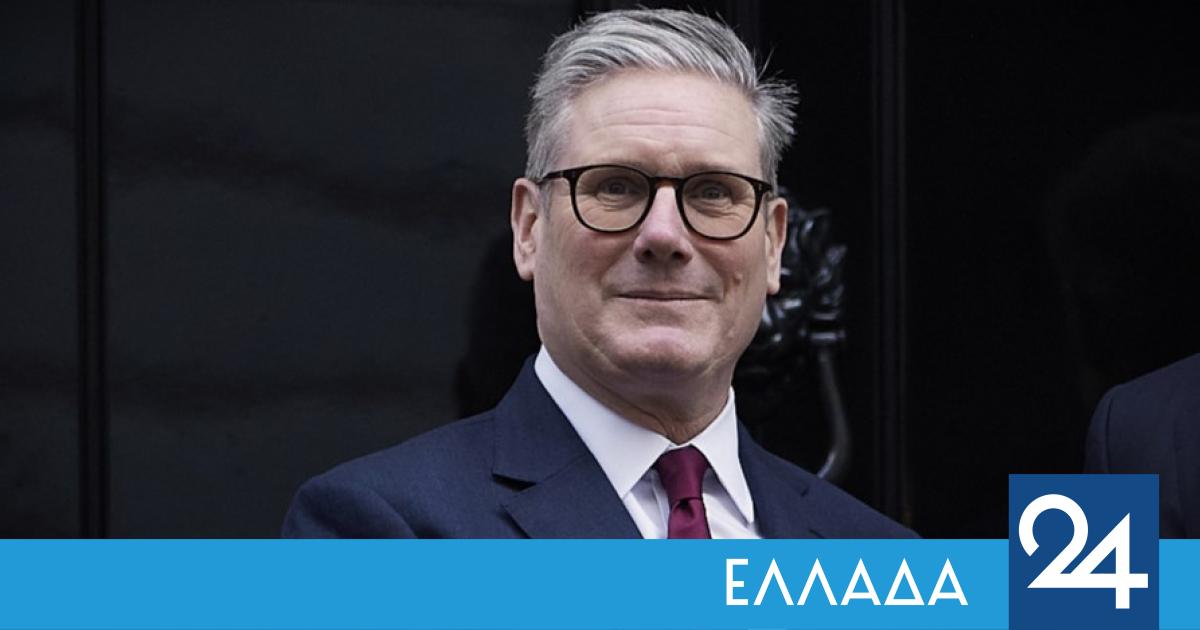
British Prime Minister Keir Starmer, whose political fate appears to hang in the balance, today expressed his willingness to “continue to govern” despite calls for his resignation from more than 70 MPs in his Labour party and some ministers.
In fact, two deputy ministers resigned today in order to push him to resign.
Here’s what we know so far about the situation.
Here’s what we know so far about the situation.
–Who wants his resignation?–
Pressure on the Labour Party leader has not ceased to mount after his speech yesterday aimed at giving his term of office a new lease of life following last Thursday’s disastrous local elections for Labour. According to a British media count, at least 72 Labour MPs are calling on him to leave office or set a timetable for his departure.
But Kir Starmers made it clear to his ministers at his cabinet meeting today: He wants to continue to govern. “Labour has a process for challenging the leadership of the party, but it has not been activated,” he said.
To set such a process in motion does require someone to formally declare their candidacy and secure the support of 81 MPs (20 per cent of the parliamentary party).
However, distrust of Kir Starmer has extended even within his government. Before today’s Cabinet even began, Deputy Minister of Housing Miatta Fanbuleh announced her resignation, followed later by the resignation of Deputy Minister of Protection and Response to Violence against Women and Girls Jess Phillips.
Calls for his resignation also came from senior members of his government, according to British media reports. Among them was Home Secretary Sabana Mahmoud, according to several media outlets.
Even Darren Jones, a close ally of Kir Starmers, appeared particularly cautious: “I’m not going to prejudge a decision that the prime minister may or may not make,” he told the Sky News network.
–The arguments in favour of staying–
His supporters are more subtle, but there are always some.
Therefore, the Prime Minister can count on the support of his deputy prime minister and Justice Secretary David Lammy, as well as that of Trade Secretary Jonathan Reynolds, according to Sky News. Labour Minister Pat McFadden also encouraged him to “keep fighting.”
“The last 48 hours have been destabilising for the government, which has a real economic cost for our country and for families,” argued Kir Starmer.
This context of political uncertainty has concrete consequences: government bond rates rose to a new high today of 5.797%, surpassing last week’s level and reaching unprecedented levels since 1998.
Many Labour officials want to avoid a situation like that in 2022, when the Conservatives changed three prime ministers in just four months.
Many Labour officials want to avoid a situation like that in 2022, when the Conservatives changed three prime ministers in just four months.
–How did we get here?–
The 63-year-old Labour leader’s popularity has plummeted since his rise to power following his Labour Party’s landslide victory in the 2024 general election, which brought an end to 14 years of Conservative rule.
Critics attribute it to his many missteps, slip-ups and polemics – most notably the scandal surrounding his appointment as Britain’s ambassador to Washington of Peter Mandelson, a controversial Labour figure because of his links to convicted sex offender Jeffrey Epstein.
<p
Discontent within his party was further fuelled after last Thursday’s local elections. Labour lost ground to Nigel Farage’s anti-immigration Reform UK party, even in its strongholds in the north of England and Wales. The Greens also, who are further to the left of Labour, took votes away from the party in London.
This political storm comes against a backdrop of heightened international turmoil from the war in the Middle East and at a particularly sensitive moment nationally, on the eve of King Charles’ speech to parliament in which he will set out the government’s programme for the new parliamentary term.
–Who could replace Starmer?–
A possible departure of Kir Starmer would not lead to a general election, but to his replacement by another Labour leader.
The British media have been reporting several names for weeks. That of Wes Streting, the Health Secretary, appears to be the simplest option. Stritting, 43, is an elected member of the House of Commons, which is a prerequisite for becoming prime minister.
Also likely would be a candidacy of 56-year-old Andy Burnham, the mayor of Greater Manchester and Labour’s most popular politician, according to the polls. However, he cannot stand as he has no parliamentary seat. Holding an election could take several months and would require an MP from a “safe” constituency to resign to give up their seat.
The name of 46-year-old former Deputy Prime Minister Angela Rainer is also frequently mentioned in the press.