The trilateral meeting of the Ministers of Greece, Bulgaria and Turkey held today in Athens confirmed the strategic nature of the cooperation between the three countries in the management of migration and the fight against trafficking networks, with a common recognition of the progress already achieved.
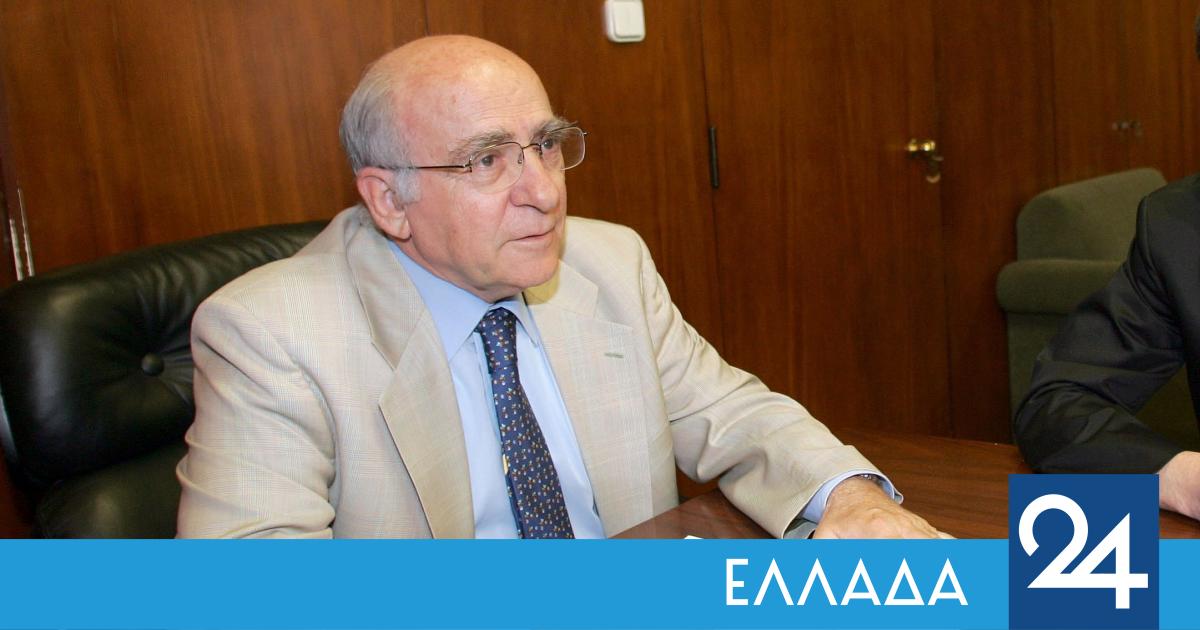
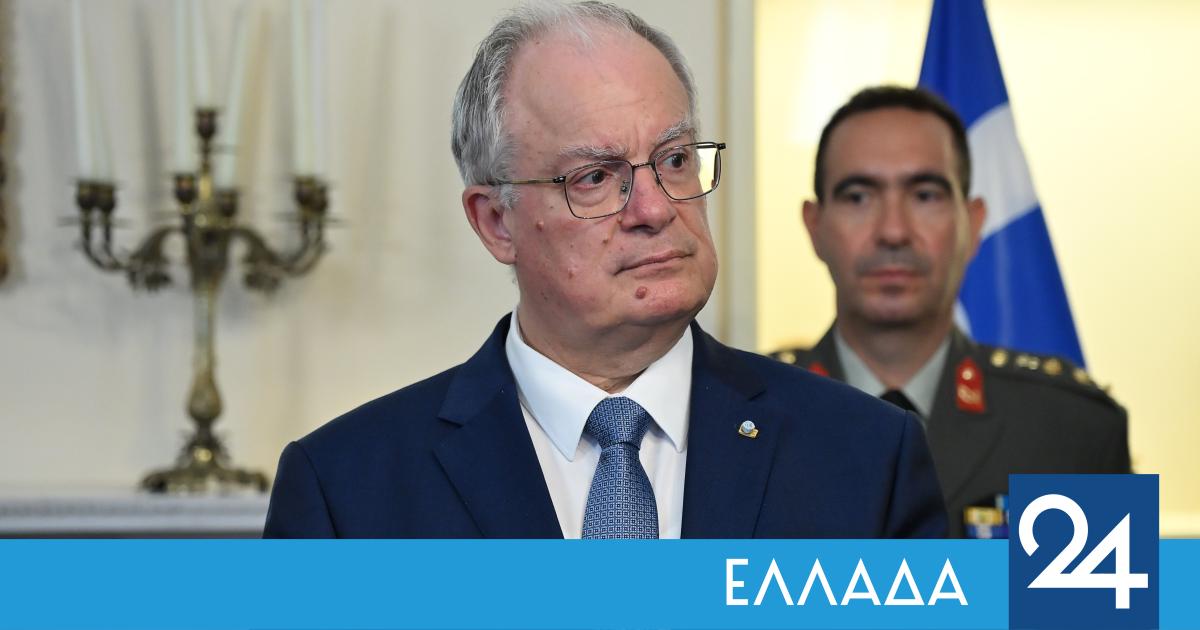
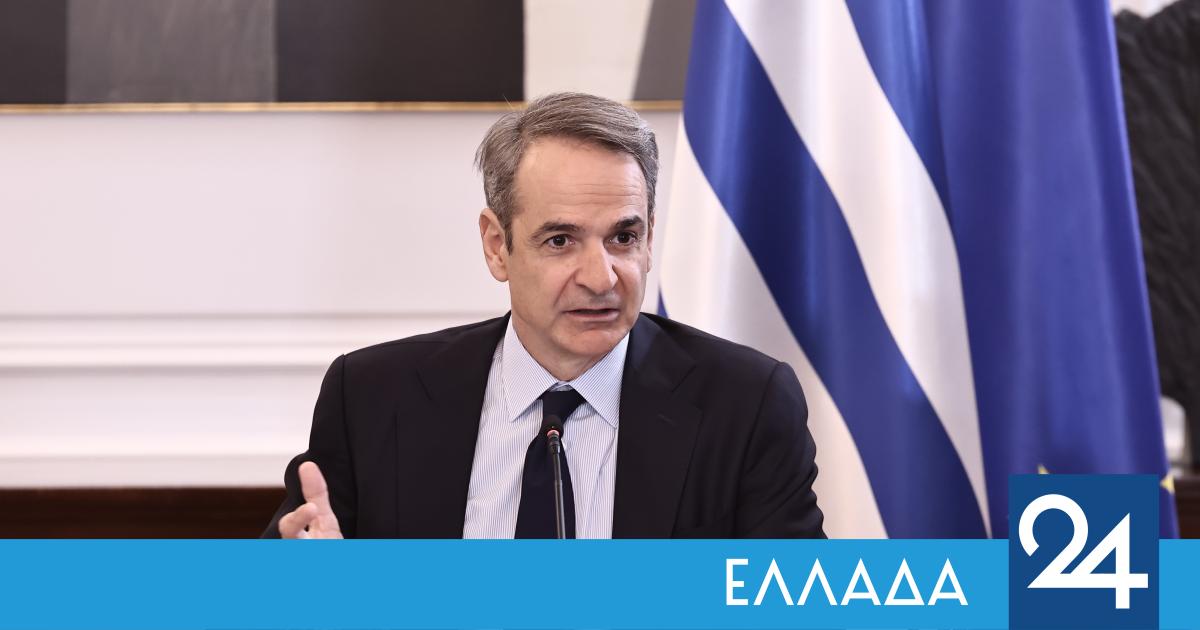
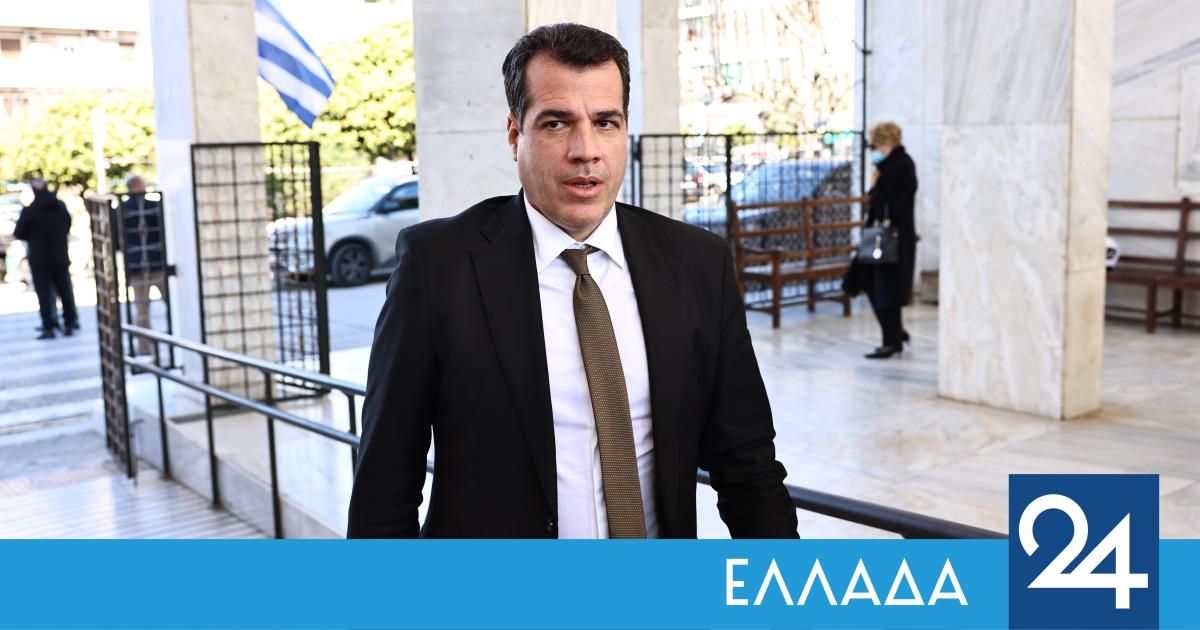
At the invitation of the Minister of Migration and Asylum of Greece, Thanos Plevris, the Minister of Interior of Bulgaria, Emil Dechev, and the Minister of Interior of Turkey, Mustafa Tsifchi, participated in consultations focusing on issues within the competence of their respective ministries.
During the meeting, a positive assessment of the ongoing trilateral cooperation was made, with the three Ministers expressing their satisfaction with the progress achieved so far. Particular emphasis was placed on reducing migration flows and combating smuggling rings, with the three sides noting that migration management is a collective responsibility that requires constant coordination, information sharing and joint operational action.
According to sources at the Ministry of Immigration and Asylum, this cooperation has already yielded measurable results. Indicatively, in the Eastern Aegean, arrivals in the first quarter of 2025 amounted to 6,012, while in the corresponding period of 2026 they were limited to 2,113, recording a 65% decrease.
The Ministers exchanged views on further strengthening and deepening cooperation in the common fight against irregular migration, with particular emphasis on the need to intensify action against trafficking networks. As noted, these networks are directly linked to organised crime and terrorism, which makes tackling them a matter of broader security.
The Greek Minister of Immigration and Asylum, Thanos Plevris, welcomed his counterparts and described the policy implemented by Greece, stressing that it is a “strict but absolutely lawful policy of border management”. He stressed that the Greek borders are also the borders of Europe, and welcomed the significant reduction in migratory flows.
Mr. Plevris, according to the same sources, highlighted the need to further strengthen operations against trafficking rings, with particular emphasis on maritime routes, and reiterated Greece’s interest in implementing a strong and effective return policy to the countries of origin. In the context of bilateral contacts, he underlined the importance of continued cooperation with Turkey and the full implementation of the EU-Turkey Joint Declaration, and referred to positive initiatives such as the visa programme for Turkish citizens on the Greek islands.
For his part, Bulgarian Interior Minister Emil Dechev underlined the strategic nature of the trilateral ministerial framework, noting that it has become an “established and valuable platform for constructive and results-oriented cooperation”. He also stressed that Bulgaria firmly believes in the added value of the trilateral dialogue and remains a firm supporter of its continuity and sustainability.
Mr. Dechev noted that cooperation between the three countries strengthens mutual trust, both at the political and operational levels, contributing to the common goal of ensuring security and stability in the region and in Europe as a whole. At the same time, he underlined that the three countries would continue to build on the progress achieved so far, in particular in areas such as border security, combating irregular migration, dismantling smuggling networks and implementing effective returns.
From the Turkish side, Interior Minister Mustafa Cifci highlighted the positive results achieved thanks to the efforts of the Turkish authorities in the fight against irregular migration, stressing that these are carried out within the framework of international law and humanitarian values. He said the deterrent effect of these measures has led to Turkey largely ceasing to be a destination and transit country for irregular migration.
He stressed that international cooperation, and in particular the ongoing Trilateral Mechanism with Greece and Bulgaria, has contributed significantly to these results. Moreover, he noted that migrant smuggling is a critical source of revenue for terrorist organisations and organised criminal networks, stressing that tackling irregular migration must go hand in hand with the fight against terrorism and organised crime.
The three sides agreed to strengthen cooperation at both maritime and land borders, especially in light of changing migration routes. At the same time, with Bulgaria, emphasis was placed on joint preparations for the implementation of the new European Pact on Immigration and Asylum from June 2026, as well as the need to strengthen returns and the protection of the external borders of the European Union.
Special reference was also made to geopolitical developments in the Middle East and the Persian Gulf, with Ministers looking closely at the security situation and the possible impact on migration flows. It was noted that the situation does not currently appear to be of concern, but the need for early preparation for possible new pressures was stressed, with ministry sources stressing that “prevention is key to ensuring stability.”
The three countries finally reaffirmed their commitment to maintain a frank and constructive dialogue, continuing to work closely together to tackle illegal migration and related smuggling networks in an increasingly complex regional and international environment.