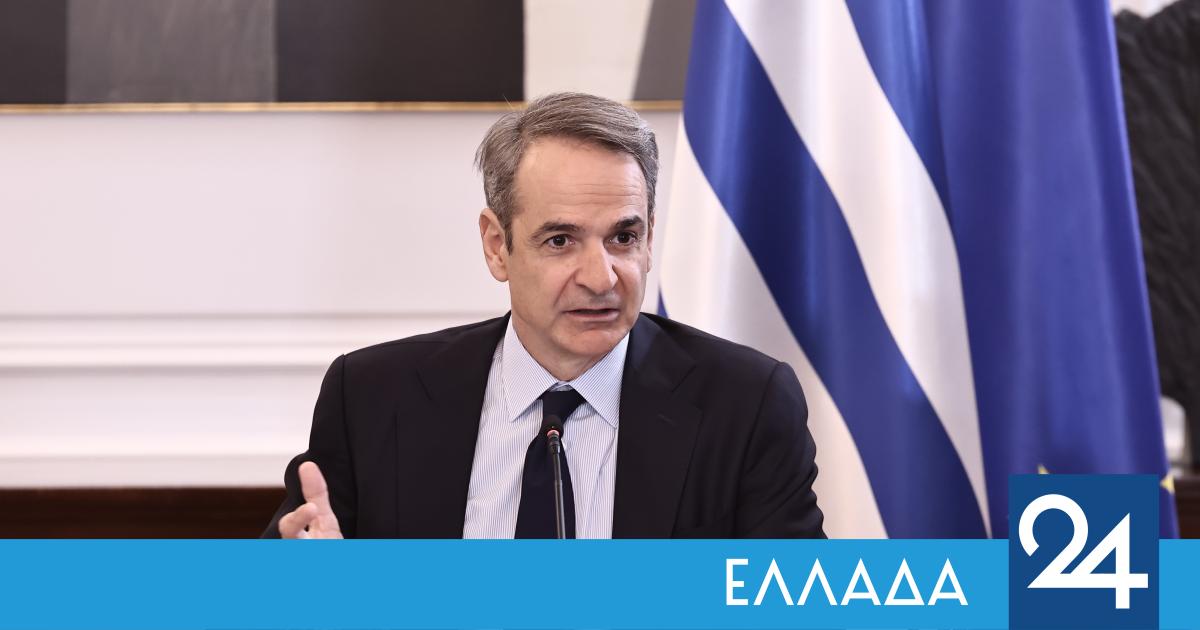
The issue of “anonymous” presence on social media is being revisited in the most official way by the government, with Prime Minister Kyriakos Mitsotakis setting the framework for dealing with “vulgar toxicity” and slander behind anonymous accounts.
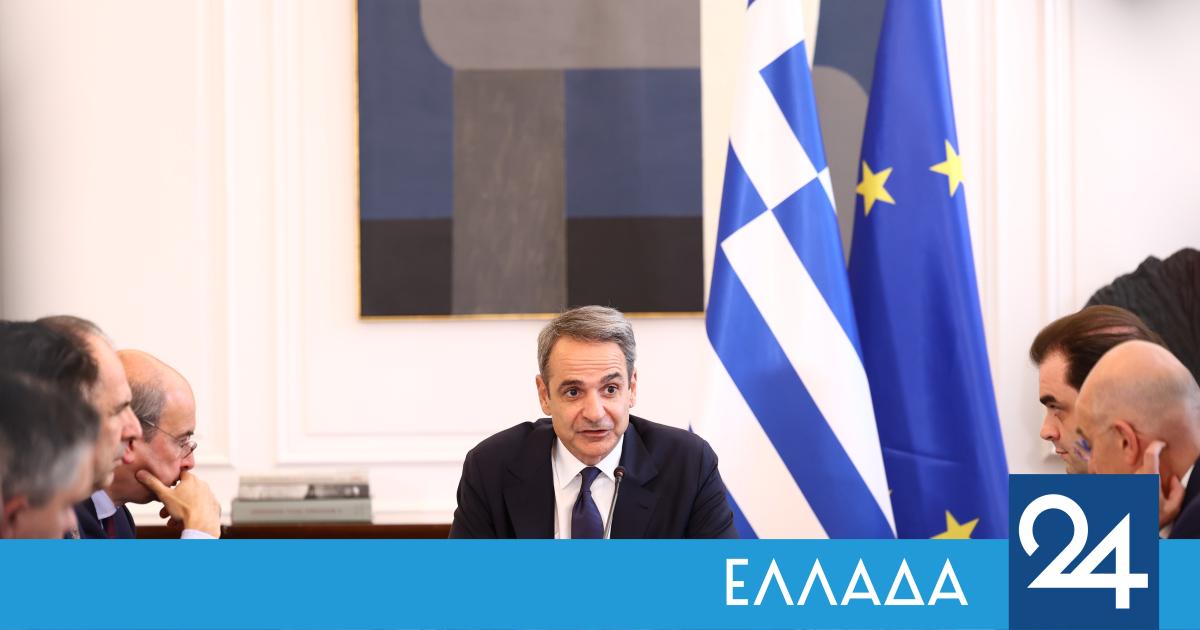
During his opening statement to the Council of Ministers, the Prime Minister addressed the Justice Minister, linking the protection of freedom of expression with the need for legal accountability:
“It is good that at some point we, as politicians, should also look at how we protect ourselves from the anonymous vulgar toxicity of the internet […] when we run into a wall, because no one can trace who is really behind these accounts. That is something, Minister, that we need to look at.”
Recall that the debate was opened about two months ago by Deputy Prime Minister Pavlos Marinakis. The government spokesman had spoken about the need to identify users on platforms (social media) with the assistance of the EU in order to protect citizens, especially children. Although it was initially described as a “personal identification position”, the development of things shows that the proposal is now taking the form of an official initiative, along the lines of the “age ban”.
In this effort, the Minister of Digital Governance, Dimitris Papastergiou, also appears to be an “ally”. During the Delphi Forum, Papastergiou advocated the removal of anonymity, agreeing with the logic of user identification as a means of ensuring a healthier digital environment.
With the “informal green light” from the Prime Minister, the government seems willing to seek the happy medium between fully guaranteed freedom of speech and shielding against criminal vilification, putting the issue of anonymity at the heart of its next legislative and diplomatic moves.