In the midst of the trial over the Tempi tragedy, with the victims’ families continuing a difficult struggle – both judicial and deeply personal – the government is bringing to the table an initiative regarding the state’s relationship with the victims’ relatives.
Pierrakakis-Kiranakis Initiative
.
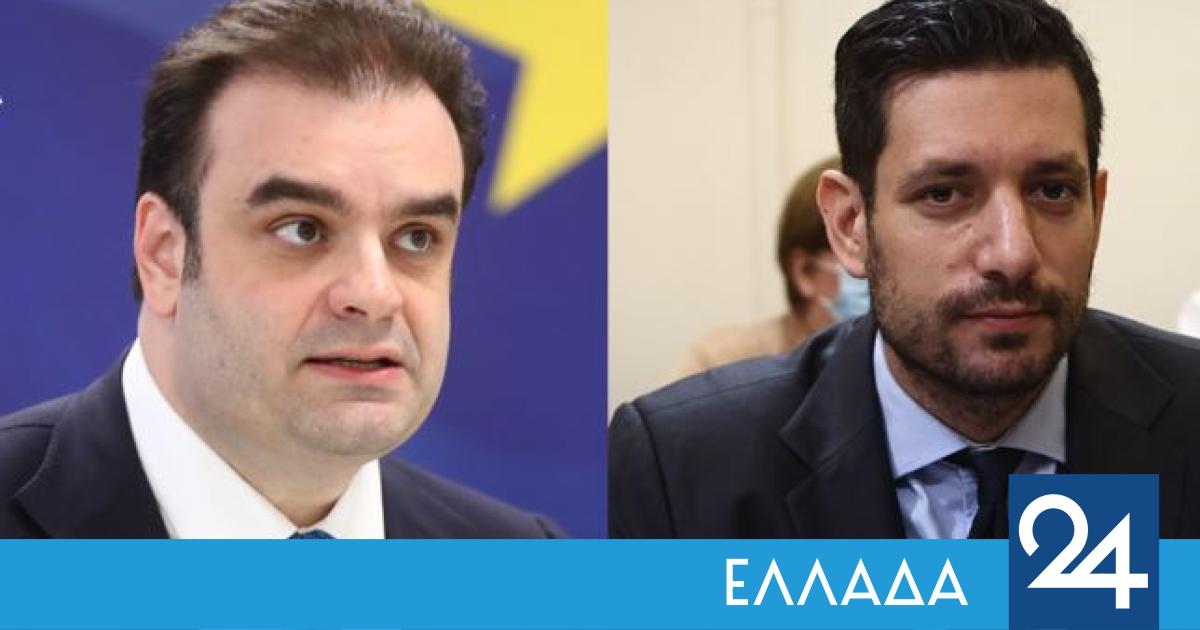
A joint initiative of the Minister of National Economy and Finance Kyriakos Pierrakakis and the Deputy Minister of Infrastructure and Transport Konstantinos Kyranakis is presented to the Council of Ministers, with the main axis being to put an end to a procedure that, for many relatives, amounts to a second trial or even disrespect to what they have tragically experienced over the last three years.
This move did not arise in a vacuum. Rather, it is the result of a wider, quieter process that has been going on for months, with contacts, discussions and, most importantly, an attempt to listen to the people at the centre of the tragedy. The proposal provides that the State will not pursue legal remedies or continue with those already pursued in cases concerning damages for mental distress, moral damages and damage to health. This is an area in which, until now, judicial routes could last for years, prolonging an open wound.
The regulation complements the new institutional framework for cases of particular social importance, established on the initiative of the Vice President of the Government, Costis Hatzidakis, by including the accident of 28 February 2023 in this framework.
Behind the move, government sources describe an effort that was not limited to narrow legal terms. Instead, it was shaped through cooperation between different ministries, and through contacts with people who experienced the tragedy from its harshest side.
It is worth noting that this initiative is part of a broader set of interventions that have taken place recently, aimed at avoiding further burdening the families of the victims. In a similar context, Konstantinos Kyranakis had previously acted with a letter to OSE for waiving legal remedies regarding compensation for victims’ relatives, while in a different case – the tragedy at Mati – a similar initiative was recorded by Kyriakos Pierrakakis with the withdrawal of the appeal of the State, as an act of moral vindication for the victims.
What the regulation covers
.
In practice, the regulation covers both pending cases and cases where judgments have already been rendered, if provided for by law, and is strictly limited to the section on damages for mental anguish and moral damages. This is an attempt to maintain a balance between the need for effective support for victims and the safeguarding of the public interest.
The State cannot undo what happened in Tempe, but it can shape different terms in managing the consequences for the families of the victims. The decision not to insist that the State insist on multi-year legal claims for issues of mental anguish and moral damages attempts to limit an additional burden on relatives in a case that continues to have a deep social and institutional footprint.