The treatment of cancer is now one of the most important public health priorities at both European and national level.
The EU has developed a comprehensive policy framework, with the “European Cancer Plan” at its core. This plan aims to address the disease comprehensively, covering all stages: prevention, early diagnosis, treatment and improving the quality of life of patients and survivors, while placing particular emphasis on reducing inequalities between Member States.
Greece, as an EU member state, is incorporating European guidelines into its national policies by actively participating in joint actions and programmes, speakers at the sixth annual Cancer Summit in Greece, entitled “Fighting cancer in turbulent times”, organised by The Economist, said.
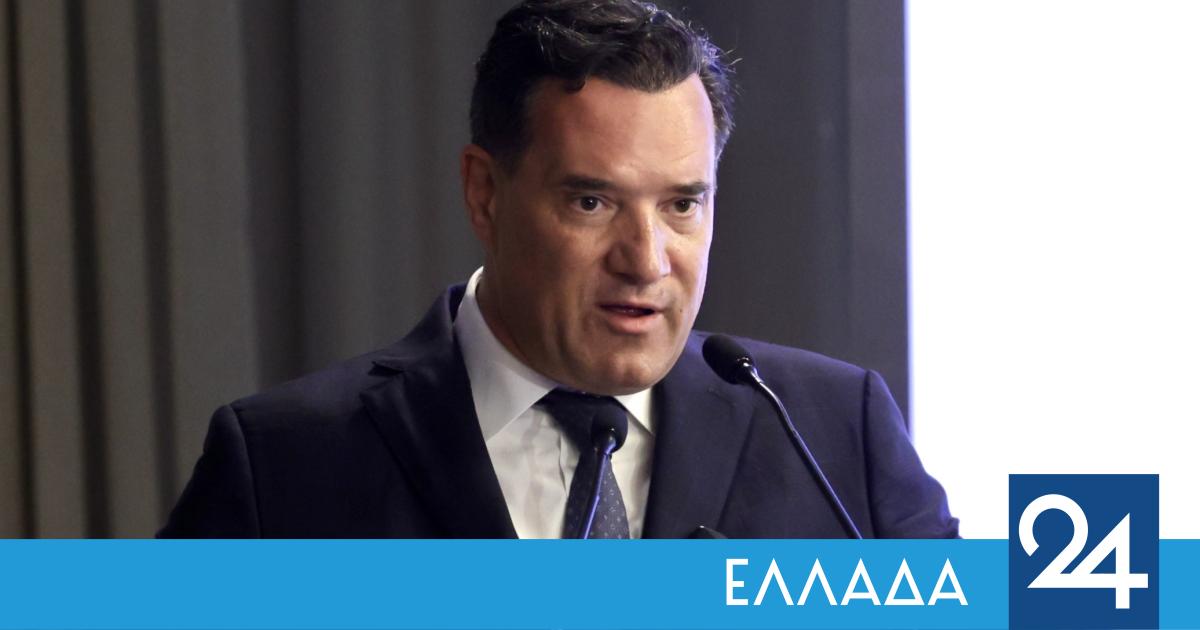
During his speech at the conference, Health Minister Adonis Georgiades said that a new system that will allow innovative drugs to enter Greece faster is currently under public consultation.
He stressed the importance of the state’s cooperation with all stakeholders in order to achieve a balance between innovation and budgetary constraints. He stressed that government policy was aimed at supporting patients and national plans were already in place to tackle cancer.
The Minister also touched on pharmaceutical policy, noting that the US market, as the largest in the world, inevitably influences developments at the international level. As he pointed out, when something important happens in the United States, it is impossible not to have an impact on other markets, with a key issue being the supply of medicines to countries.
Special emphasis was placed on the potential for price alignment, which if implemented could bring about radical changes in the global pharmaceutical landscape. However, he stressed that this transition will not be easy and will be accompanied by challenges.
In response to these developments, he highlighted the importance of greater integration, expressing his belief that the European Union can play a key role. He noted that, as a whole, the European Union is on a par with the United States in terms of power and assessed that international changes will necessarily lead to greater policy alignment within the EU.
Emmanuel Saloustros – Associate Professor of Medicine, University of Thessaly / Chairman of the Board, Hellenic Society of Pathological Oncology, highlighted the main priorities for the progress of the system:
– Training of doctors and strengthening of human resources
– Equal access to health services for patients and improving the predictability of the system
– Ensuring sustainability through appropriate policies
– Focus on prevention and data collection for policy making
– Strengthening clinical research
– Promote sustainability and “green oncology”
– Need to strengthen palliative care
He stressed that Greece has the necessary scientific potential for the implementation of these objectives and that the cooperation of all stakeholders is crucial.
For his part, George Kapetanakis – president of the Hellenic Cancer Federation, pointed out that while oncology is in a period of significant developments, patients do not always directly experience the benefits of these changes.
He touched on critical issues such as:
– Creating and utilizing patient registries
– Digital transformation of oncology care
– Home delivery of high-cost medicines
– Biomarker reimbursement
He raised the key question of whether the healthcare system can support these changes, stressing that reforms must reach patients in a meaningful way.
He also stressed that a more holistic approach to oncology care is taking shape, with a focus on quality of life. Patient associations say they are ready to contribute to the formulation of the national cancer action plan.
Kapitanakis concluded that three are the key issues:
– Access to innovation
– Integrating patient experience
– Fostering collaboration as a key requirement for progress
Finally, Cyril Skiver – Regional Chair, Mid-European Federation, MSD, stressed that dialogue and collaboration between stakeholders is a sign of progress towards a more patient-centred health system.
He stressed the importance of clinical research, noting that there are currently around 80 studies being conducted in Greece, the result of cooperation between all stakeholders.
He noted that the next step is to strengthen patient registries, in order to evaluate what works and what does not, and to better align interventions. He concluded that the focus should be on patients and that Greece has already made significant progress.
Today I attended @TheEconomist’s conference on cancer treatment. I thank all the participants for their excellent words about my work at the Department of Health. I particularly enjoyed the statement by Professor Thanos Dimopoulos, former Rector, former… pic.twitter.com/sRxE36GDTO
– Adonis Georgiadis (@AdonisGeorgiadi) April 22, 2026</blockquote