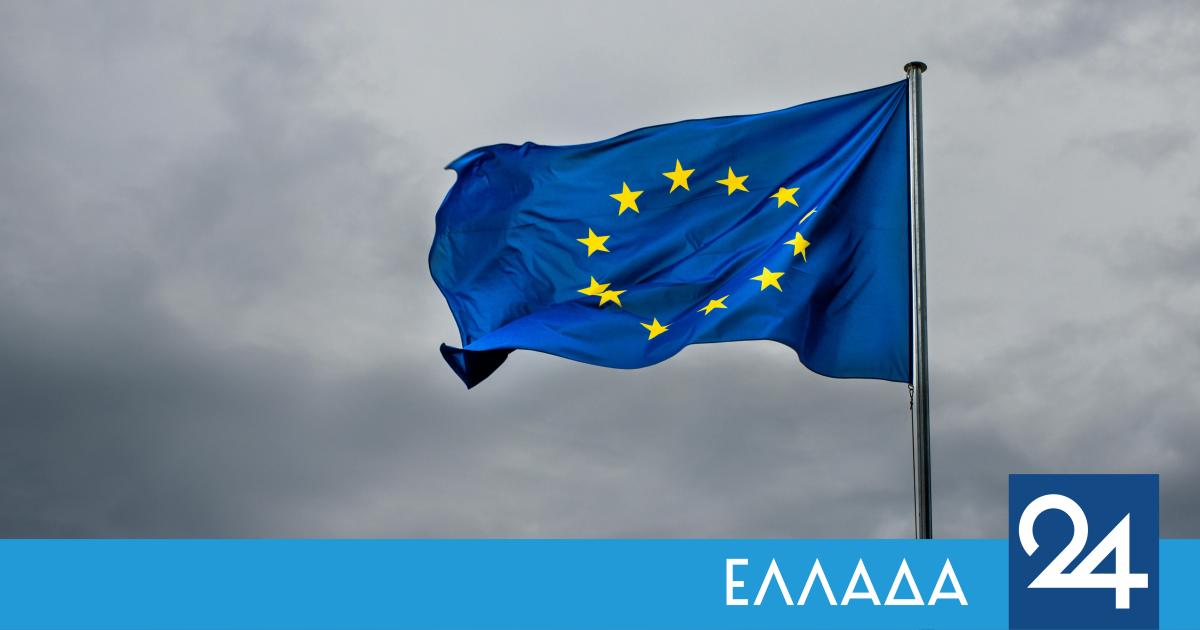
The European Union plans to deepen its relationship with Syria by resuming formal political contacts and paving the way for closer ties in the economic and security fields, according to a document seen by Reuters, in the latest step in a broader policy shift after years of ‘frozen’ relations.
The document, drafted by the diplomatic arm of the union and circulated to member states this week, says the EU will fully resume the 1978 cooperation agreement with Syria and begin an Advanced Level Political Dialogue, a term the EU uses for formal and coordinated talks, with the country’s transitional authorities on May 11.
In a major policy adjustment, the EU also said it would “reframe and adjust” the sanctions regime to maintain pressure while engaging with Syria’s leadership and targeting transition distractions, according to the document.
Syria, which saw most Western sanctions against it lifted late last year, is seeking wider integration into the international community under interim president Ahmed al-Saraa, who led a coalition of Islamist rebel organisations that ousted former leader Bashar al-Assad in late 2024 after a devastating 14-year war.
Refugee returns, Syria as a transit hub
The paper outlines plans to strengthen economic engagement, including a framework for trade and investment, mobilizing private sector finance and supporting reforms to improve the business environment in Syria through a new technical assistance hub.
It also says the EU will work with the authorities to facilitate the “safe, voluntary and dignified return” of refugees and displaced persons.
Europe ‘hosts’ more than one million Syrian refugees and asylum seekers, around half of whom are in Germany. Their return is at the top of the agenda of most European capitals’ discussions with Damascus since Assad’s ouster in December 2024.
The document highlights ambitions to integrate Syria into regional connectivity projects, including the Middle East-Europe Economic Corridor, positioning the country as a hub for transport, energy and digital connections.
Syria looms as a critical transit point, particularly amid the energy crisis caused by the closure of the Strait of Hormuz during the Iran war. A first tanker with a cargo of Iraqi oil transported overland sailed from the Syrian port of Baniyas yesterday, Thursday.
Turkey, Syria and Jordan have also agreed to upgrade their rail links to create a corridor connecting southern Europe to the Gulf, Turkish Transport Minister Abdulkandir Uraloglu told Bloomberg on Wednesday.
Turkey’s Transport Minister Abdulkandir Uraloglu said Wednesday.
Support for Syrian Kurdish integration
In terms of security, the document said the EU could support Syrian police training and institution-building capacity in the interior ministry, as well as cooperation on counter-terrorism and efforts to tackle drug trafficking and organised crime.
The document also underlines EU support for the implementation of the agreement reached in January between Damascus and the Kurdish-led authorities in the northeast of the country, which includes integrating local institutions into the state and expanding the rights of Syrian Kurds as part of a broader political transition.
In a major step toward implementing that agreement, Syria in March appointed the commander of the Kurdish People’s Protection Units (YPG) forces as deputy defense minister for the eastern regions, where U.S. forces this week handed over to the Syrian army their last remaining military base in the country.
</html