If the strong indications of the presence of natural gas at the Asopos 1 point are confirmed and allow commercial exploitation, this will lead our country to a leap in economic development and geopolitical power, Minister of Environment and Energy Stavros Papastavrou pointed out, speaking today at the signing ceremony of the Drilling Contract for Block 2 (Northwest Ionian), between the consortium ExxonMobil – Energean – HELLENiQ Energy and Stena Drilling, (the company that owns the floating drilling rig that will be used in the area).
According to the data provided by Energean CEO Mathios Rigas, the estimate for the gas potential in the area is 270 billion cubic meters (Greece’s annual consumption is 6-7 billion cubic meters in comparison), the drilling depth will reach up to 4622 meters and the cost will be 60-70 million euros. If the drilling proves successful, additional investments of €5 billion will be needed to develop the field, which will be connected via a floating unit to both Greece and Italy.
In the “good” scenario of successful drilling, revenues for the Greek state (at current gas prices) over 20 years would reach €10 billion. However, the benefits in terms of energy security and the upgrading of the country’s geostrategic role will be many times greater.
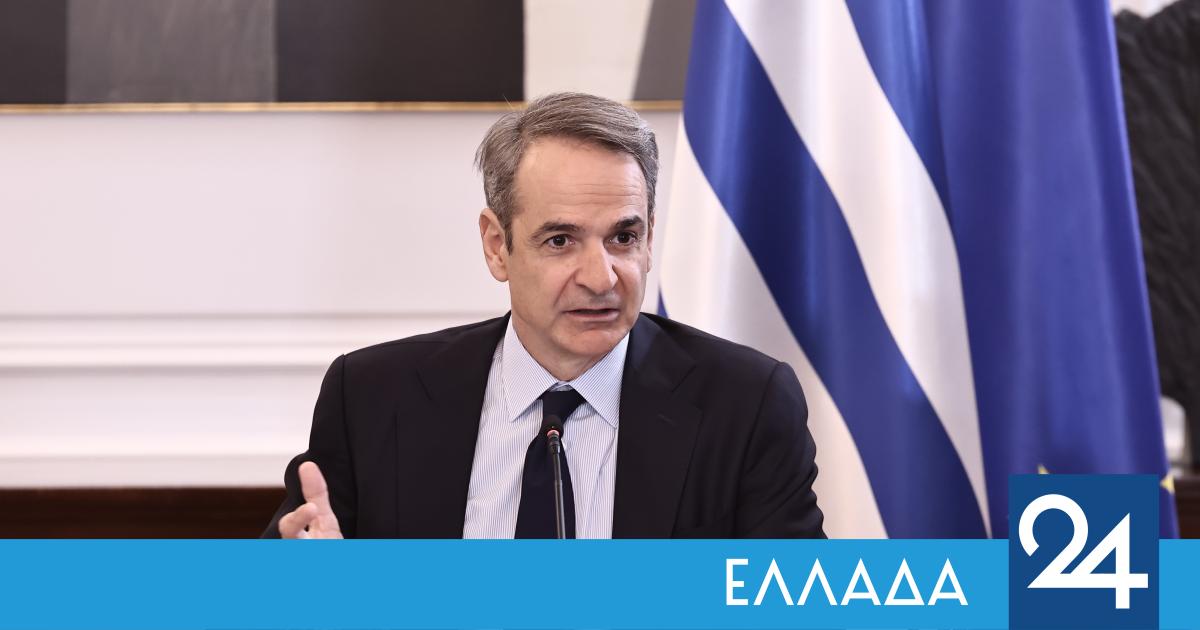
A “historic moment for our country, which implements the national plan of Prime Minister Kyriakos Mitsotakis to strengthen the country’s energy security and the rapid development of the hydrocarbons sector”, Papastavrou said, noting that in about 300 days from now, (14-17 February 2027), “the first offshore exploratory drilling in the country, after almost half a century, will take place at the Asopos 1 point in the Northwestern Ionian Sea”.
“We are responsibly exploiting , he added, our domestic natural resources, accelerating the transition to renewable energy and at the same time accelerating the hydrocarbon sector development programme as part of a realistic energy transition. These partnerships strengthen Greece’s position in the new energy architecture and create prospects for further investments in the future. Energy is becoming a comparative advantage for our country and a stable bridge connecting Europe and America.”
US Ambassador to Greece Kimberly Guilfoyle said that the cooperation between the companies brings together American innovation, Greek technical expertise and Swedish technology. “Greece is at the crossroads of continents and energy corridors. Greece has not only participated but is leading the energy transformation of the region. Our close cooperation reflects confidence in Greece’s economic performance, transparent regulatory framework and close ties between American and Greek businesses. This agreement underscores the opportunities the region offers and reinforces Greece’s role as a reliable energy partner and pillar of stability,” he added. “The exploitation of Greece’s hydrocarbon resources through agreements such as this one complements and reinforces this broader energy architecture. Greece is emerging as a true regional energy hub and a strategic partner for ensuring energy security in South-Eastern Europe.”
Swedish Ambassador Håkan Emsgård highlighted Greece’s progress with the stabilisation of the economy, high growth rates, its emergence as a net energy exporter and an energy hub in the Eastern Mediterranean.
In a message broadcast during the signing ceremony, ExxonMobil Vice Chairman John Ardill referred to the rapid progress of the partnership following the company’s entry into the Consortium in November 2025.
Helleniq Energy CEO Andreas Siamisis stressed that a potential discovery in the Ionian Sea would change the model for the country. “Energy security is very important for the country’s development and is also a matter of national security,” he said. “If we find something in Greece it will give us a lot of freedom and flexibility to develop the model we want.”
</html