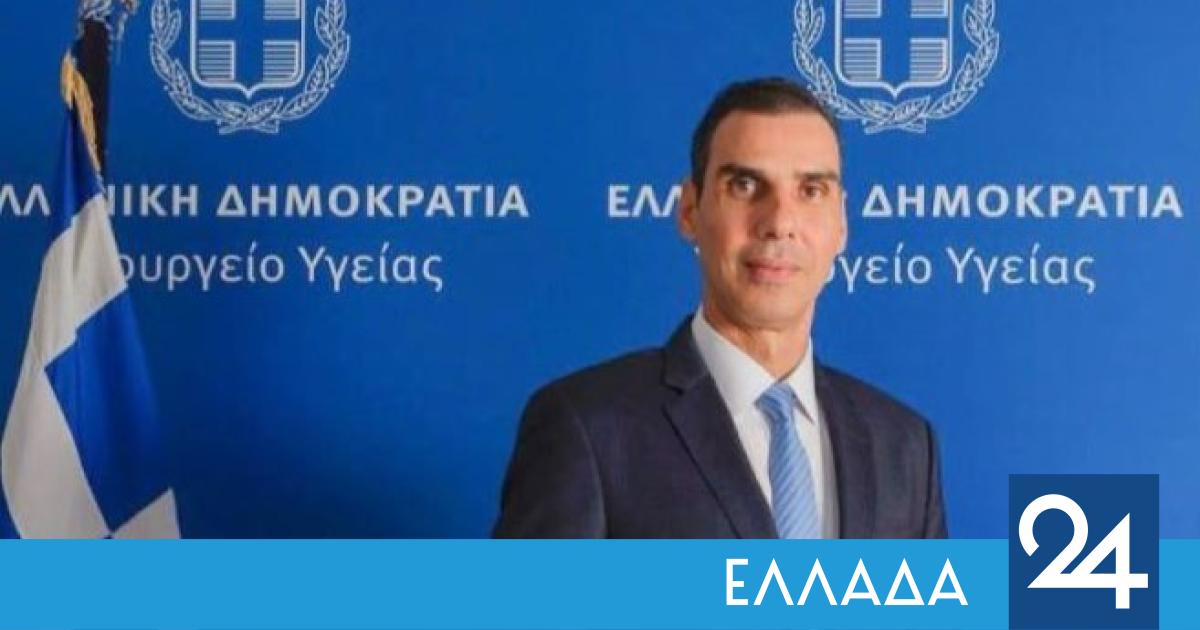
An overall positive picture of the quality of services in the National Health System (NHS) is shown by the evaluation data from patients, according to Deputy Minister of Health Marios Themistocleous, speaking to ERTNews. “The Ministry of Health now has a very large evaluation sample which exceeds 40,000 patients who were treated in public hospitals and evaluated their experience. Our data show that 75% of patients’ evaluations of the health system’s services have been rated as good or very good, which shows that the majority of citizens are satisfied with their hospitalization in the NHS,” Themistocleous said.
At the same time, he clarified that this evaluation is not just for recording, but serves as a management tool, adding: “Where problems are identified, for example in a hospital that had cleanliness issues, corrective action is taken by the hospital managements and progress is monitored.” “This is a management tool,” he said, adding that “if there is no improvement, the responsibility goes all the way to the hospital management.”
The Deputy Minister also referred to the progress of appointments with doctors, the reduction of waiting times, evening surgeries, new recruitment of medical and nursing staff and incentives to fill positions in the region.
Improving wait times
“There has been a very significant increase in the number of people making appointments, a development attributed to a drastic reduction in waiting times. Appointments from 330,000 in October have now exceeded 550,000, which is an increase of almost 100%,” the Deputy Minister of Health said, noting that the essential difference is not only that more people are making appointments, but that they can now find available appointments within a few days.
He noted that this improvement was achieved in two main ways: (a) the number of appointments available on the system has increased significantly, as each NHS locum doctor is now required to have a certain number of appointments each week; and (b) the appointment booking process has been significantly simplified through 1566, the MyHealth App and the finddoctors platform.gov.gr, so that citizens can book appointments within seconds, without having to contact each hospital or health facility separately.
Surgeries and waiting list
Themistocles stressed that the programme for evening surgeries and the overall increase in surgical activity have brought the system very close to the goal of reducing waiting lists. “In the heavy cases, especially oncology, there is no wait. The problem was mainly related to so-called ‘cold’ cases, such as knee and hip arthroplasties, for example, where in some cases the waiting time was as long as 1 year or even 2 years, especially in regions of Northern Greece. This picture has now improved to a great extent, as morning surgeries have increased, the system has been strengthened with anaesthetists and nursing staff, free afternoon surgeries have been implemented, while vouchers for surgeries in private clinics have been activated, without any financial burden for the patient” he explained, while he emphasized the fact that in 2025 50 surgeries were recorded.000 more patients operated on than in 2024, which, he said, reflects the large increase in surgical productivity. The goal now is for the overall wait to be 4 to 6 months.”
New announcements and staffing of the NHS
The Deputy Minister of Health has announced that a major new advertisement for 850 permanent doctors’ posts in hospitals across the country and for all specialties will be issued in the coming days. As he said: “this first phase will place special emphasis on the region, and a second phase will follow, both for hospitals and primary health care.”
As he said: “the measures we have taken have already started to pay off. In particular, of the 300 or so posts that have been consistently vacant for years, even since the period of the memoranda of understanding, about two thirds have now been filled. Finally, he added that with the new notice even more of these posts will be filled, leaving very few areas that will continue to be covered through staff movements.
Themistocles acknowledged that one of the biggest challenges facing the NHS remains the number of nursing staff. He said: “this problem is documented both by the public themselves and by evaluation data. To address it, procedures have already been opened for both auxiliary and permanent staff, while new incentives are being promoted.” He made particular reference to the inclusion of nursing staff in the Heavy and Unhealthy category, which he said will proceed within 2026. At the same time, the creation of a nursing branch is also under discussion, with the aim of making the staffing of the system more attractive.”