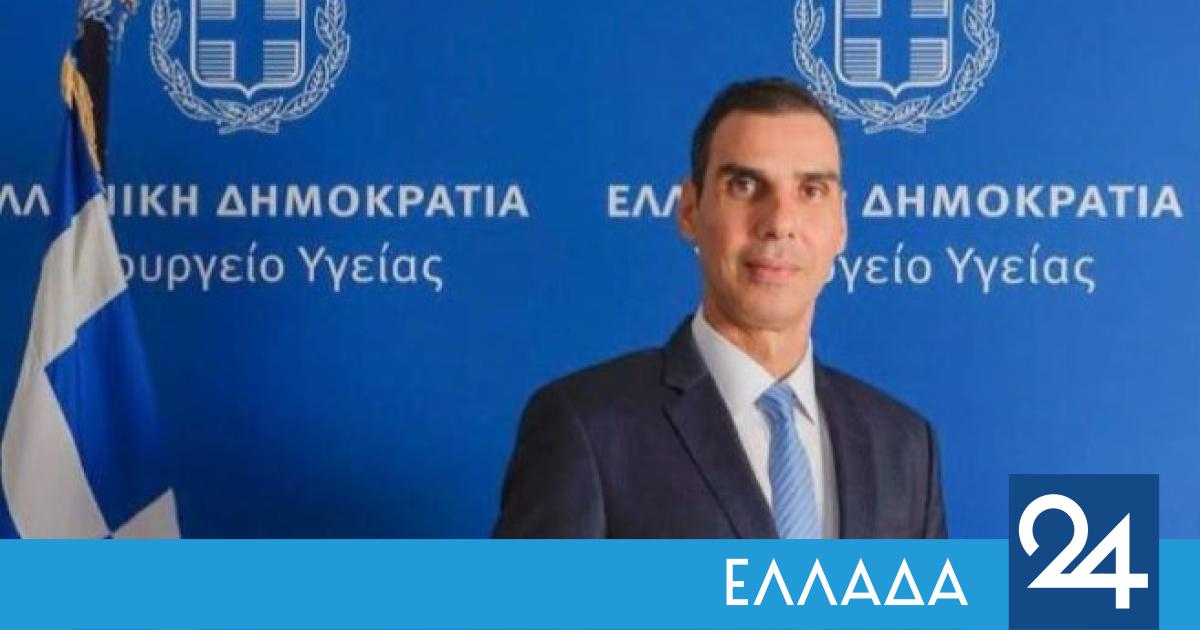
Speaking on ACTION 24 TV, Deputy Minister of Health Marios Themistocleous referred to the recruitment of the National Health System, donations to the NHS, the new data platform, appointments in hospitals, the operation of Emergency Departments, the evaluation of hospitals by patients and nursing staff.
He stressed that in total, for 2026, the plan provides for 8,000 additional recruitments, of which 5,000 permanent positions and 3,000 auxiliary staff positions. In particular, he stressed: “At the moment, the ASEP’s call for nursing and other staff is underway, with a deadline of March 20, for permanent positions for Ministry of Health organizations, hospitals and other institutions, while, the platform is already open for auxiliary staff.” He also made special reference to the major advertisement that will follow for 850 permanent positions for doctors, which he said is expected about two weeks from today and will involve hospitals across the country. He noted that the relevant procedures for Primary Health Care would follow next.
Themistocleous focused on what he described as the biggest problem of the National Health System, which is the shortage of nursing staff, a problem that is also a pan-European problem. He acknowledged that there is serious pressure and that the shortages are real, but noted that this is a pan-European problem, which even countries such as England and Germany are facing. As he said: “in order to strengthen the sector, a provision is being advanced to create a separate nursing sector to allow for greater flexibility in recruitment and the possibility of targeted increases and incentives.”
Regarding appointments at hospitals, Themistocleous stressed the significant improvement in the service provided to citizens. He added that “every month there is an increase of almost 25% in the number of citizens making appointments and being served with the number now exceeding 550,000 from 350,000.”
The Deputy Minister of Health also spoke of substantial improvement in Emergency Departments following the implementation of the “bracelet” system and infrastructure renovations.
“The average waiting time has been reduced from 9 hours a year ago to 4 hours and 30 minutes today,” he said. Meanwhile, he pointed out that several ICUs have already been renovated and the renovations are progressing and will be completed within the next four months.
Another major issue is the evaluation of hospitals by patients and according to the Deputy Minister of Health, the system is functioning normally and is already yielding significant results. “The sample has already exceeded 40,000 responses” and according to the data, 75% described their hospitalization as good or very good, while 92% said they found a doctor of the specialty they needed. He also reported that ratings for equipment were also positive.
Regarding donations to the National Health System, he stressed that donations are an integral part of the functioning of the public health system, noting that the Ministry of Health has been able to raise a significant amount of donations because there is trust, transparency and speed in the processes.
He made special reference to the donation of the Stelios Hadjiyannou Foundation, stressing that this is a donation of 10 million euros to support 80 doctors in 47 small Greek islands with a population of less than 4,000 inhabitants. He stressed that it provides an additional 1,500 euros net to each doctor, while in many cases municipalities and regions also cover housing.