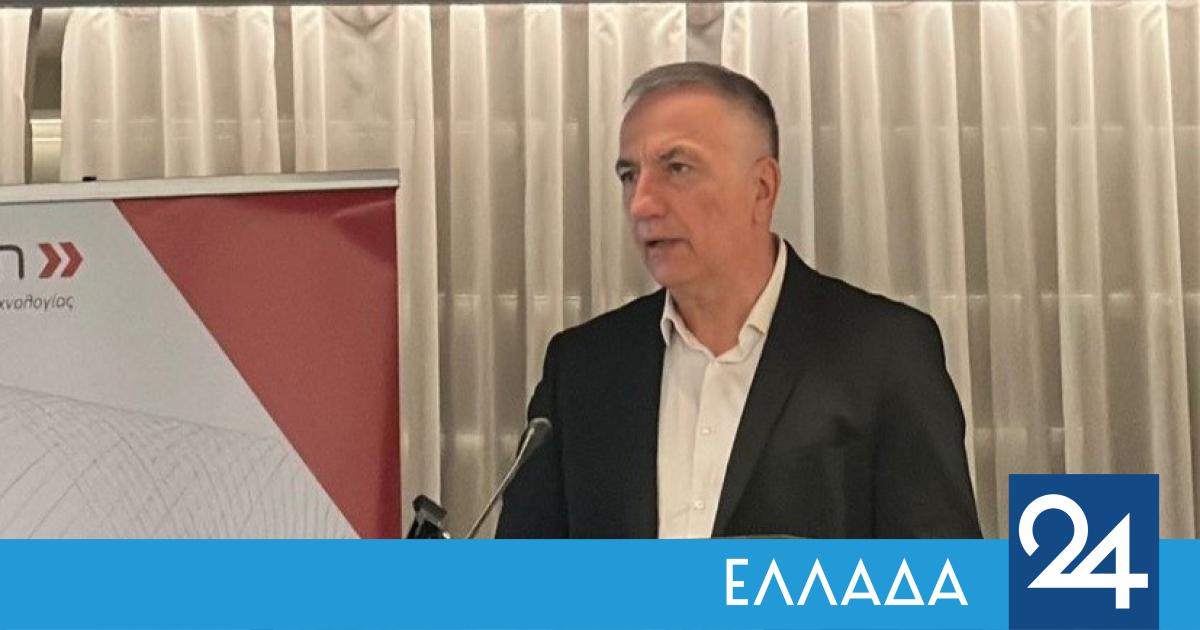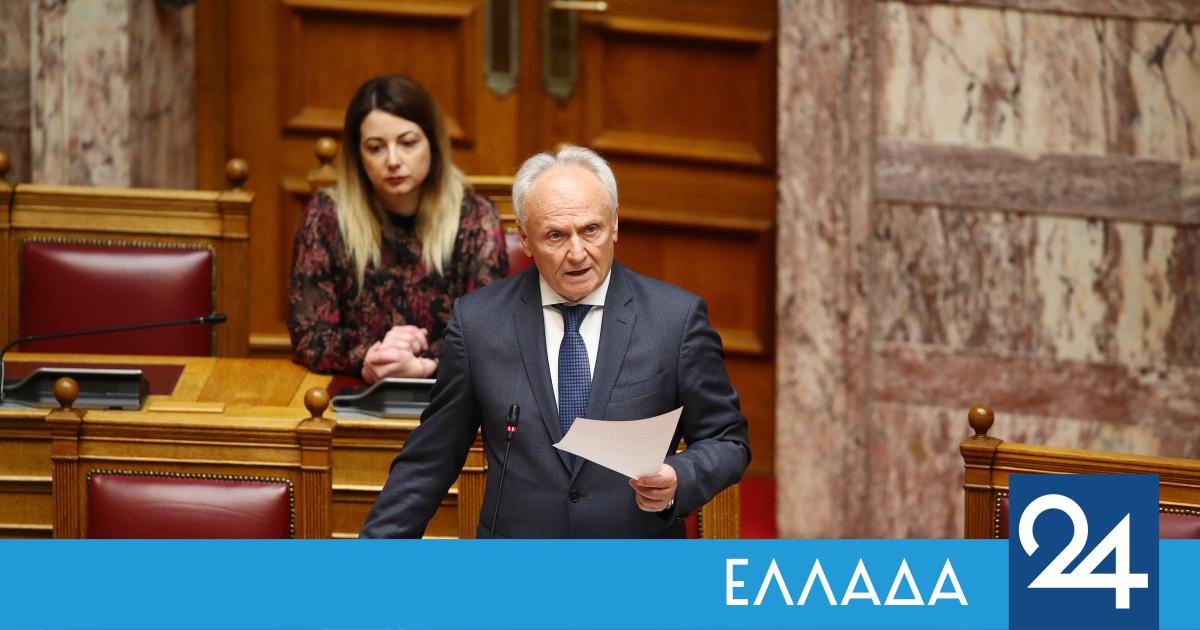
State Minister Akis Skertsos focuses on issues of rule of law, transparency and public integrity in a post.
<span style="another international report (which) confirms our country's measurable institutional progress on critical indicators of integrity and transparency (Anti-Corruption and Integrity Outlook 2026)
The publication of the latest OECD report on integrity and transparency in public administration unfortunately slipped through the cracks this week. This is despite the fact that a significant part of the (para)political and journalistic debate focuses with oppositional insistence on the functioning of the rule of law in our country,” he says, adding:
“If this report were negative, the parties’ announcements would of course rain down… That is why it is important that we all understand that the issues of the rule of law, which touch the core of our democracy, are too serious to be thrown “to the opposition arena”
We all know and recognize the institutional weaknesses that have characterized the functioning of the Greek state over time. The difference is that some work to correct them and others only work to denounce them.
And the truth is that Greece in recent years and with a springboard and institutional dysfunctions that were also highlighted during the term of the present government, has been recording systematic institutional progress in a series of international reports and in many areas of the rule of law,” he says, quoting these reports:
“The European Commission’s Rule of Law Report 2025 recognizes progress in critical areas of institutional functioning.
The Transparency International (2026) reports improvement in corruption perception indicators.
The Economist Intelligence Unit’s Democracy Index 2025 reflects strengthening of democratic functioning and institutions.
The recent OECD report “Anti-Corruption and Integrity Outlook 2026” ranks our country 2nd among member states and partners in terms of improving the strategic framework for public integrity.
In conclusion, “this progress is not a fluke. It reflects a coherent reform strategy since 2019, with measurable results:
* Strengthening accountability with the new Disciplinary Law and the e-Peitharxika platform, ensuring transparency and speed
* Holistic national anti-corruption strategy (whole-of-government approach), with central coordination.
*Full compliance with conflict of interest management standards and significant progress on lobbying and party funding.
* Digital tools and open data that enhance citizens’ access to information.
* New tools such as the Single Digital Register of Corruption Cases, the internal control system and the modern framework of the “paternity”.
However, the Minister of State continues, “obviously, there is no room for complacency. There are still weaknesses, delays and areas that require deeper changes – particularly in the speed of justice, where progress is already being made thanks to the Recovery Fund reforms, and in fully embedding a culture of integrity at all levels of government.
But the direction is now clear: the country is systematically adopting the recommendations of international agencies, investing in modern institutional tools, and turning reforms into tangible results.
Strengthening public integrity is a matter of trust and democracy. And it is a priority for this government alongside progress in all other areas, the economy, defence and security, energy, digitalisation. This trust is being built steadily, with rules, transparency and accountability. With perseverance and patience. And above all, with a plan and focus,” he concludes in his post.