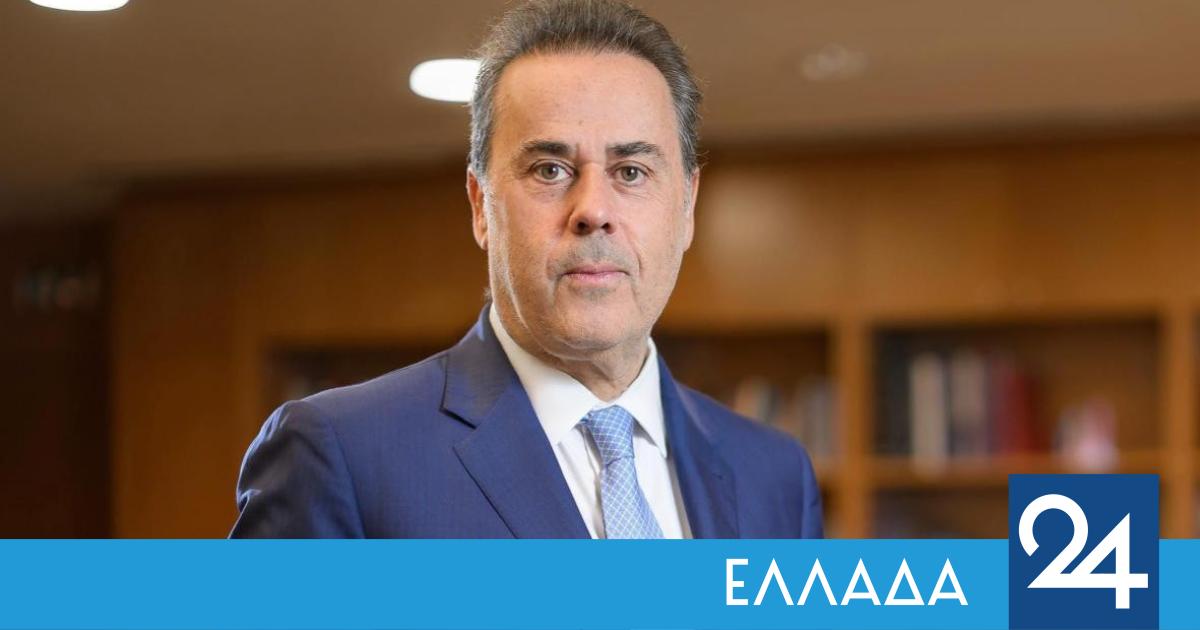
Greece’s role as a strategic energy bridge between Europe, the Eastern Mediterranean and the United States is highlighted by Environment and Energy Minister Stavros Papastavrou, in an article published in the Atlantic Council, as part of the Global Energy Agenda series.
Mr. Papastavrou presents the Greek energy strategy as a policy of “energy realism”, arguing that the transition to clean energy must proceed in a way that simultaneously ensures security of supply, competitiveness, affordable energy and social cohesion.
In the same context, he links Greece’s energy policy to transatlantic cooperation, regional stability and the strengthening of Europe’s energy security.
The Minister said that the energy transition is necessary, but it must be environmentally responsible and at the same time economically and socially sustainable. He said that Europe must remain committed to its decarbonisation objectives, but ensure that the pace and design of the transition does not undermine competitiveness, social cohesion or security of supply.
Papastavrou refers specifically to shipping, noting that although it is responsible for less than 3% of global emissions, it has often faced disproportionately high regulatory costs. According to him, this creates risks to international competitiveness without necessarily yielding corresponding global environmental benefits.
In his article, the Minister underlines that Greece has consistently strengthened its role as a strategic energy bridge between regions, markets and allies. Cooperation with the United States, he notes, was reaffirmed at the Transatlantic Energy Cooperation Partnership (P-TEC) conference in Athens, reflecting a shared commitment to energy security, innovation, diversification and investment.
The Greek Minister presented in the article four key pillars of the Greek energy strategy:
* The acceleration of hydrocarbon exploration.
* The diversification of energy sources and the transformation of the energy mix.
* The promotion of the Vertical Corridor.
* The strengthening of regional cooperation, with particular emphasis on the 3+1 format (Greece, Cyprus, Israel and the US).
In terms of hydrocarbons, Papastavrou noted that Greece is accelerating exploration activities with the participation of major international energy companies, including ExxonMobil and Chevron. He also says that after nearly half a century, exploratory drilling is set to resume in the Ionian Sea, while new seismic surveys are planned in marine areas south of Crete.
Special reference was made to the drilling contract for Block 2 in the Northwest Ionian Sea, which was signed in April between Energean, as operator of the ExxonMobil, Energean and HELLENiQ ENERGY consortium, and Stena Drilling, in the presence of the ambassadors of the United States and Sweden. The Minister described the signing as a historic milestone for Greece, in the context of Prime Minister Kyriakos Mitsotakis’ national strategy to strengthen energy security and the responsible development of the country’s hydrocarbon potential. Offshore exploratory drilling is scheduled to begin in February 2027.
In this context, the Minister of Energy argues that tapping domestic resources is not a departure from the energy transition, but part of a realistic approach that can contribute to energy security, dependency reduction and economic growth during the transition period.
Regarding the energy mix, Mr. Papastavrou points out that Greece has drastically reduced its dependence on lignite, while renewable energy sources are now a central pillar, covering more than 50% of the country’s electricity production. He says combining renewables with flexible sources such as gas, energy storage and stronger grids can create a cleaner, more resilient and more reliable system.
Referring to the Vertical Corridor, he described it as a flagship initiative that is transforming the energy architecture of South East Europe. According to Papastavrou, Greece has evolved from an energy import endpoint to a dynamic transit hub, contributing to the European Union’s strategic goal of reducing dependence on Russian natural gas through increased imports of US LNG and strengthening regional interconnectivity.
On the 3+1 scheme, the Minister stressed that energy cooperation in the Eastern Mediterranean is a cornerstone of regional stability. He says cooperation between Greece, Cyprus, Israel and the United States promotes dialogue, investment and projects of common interest, serving as an example of how energy can be a catalyst for cooperation rather than conflict.
Mr. Papastavrou also noted that the 3+1 initiative, which was reaffirmed during the P-TEC meeting in Athens, promotes growth, energy security and shared prosperity, while enhancing regional stability and limiting the scope for unilateral or destabilizing actions.
These four initiatives constitute, according to Papastavrou, the essence of Prime Minister Mitsotakis’ “energy realism”. As he argues, real energy security is multidimensional and depends on diversification of sources, resilient infrastructure, technological flexibility, competitive markets and strong alliances.
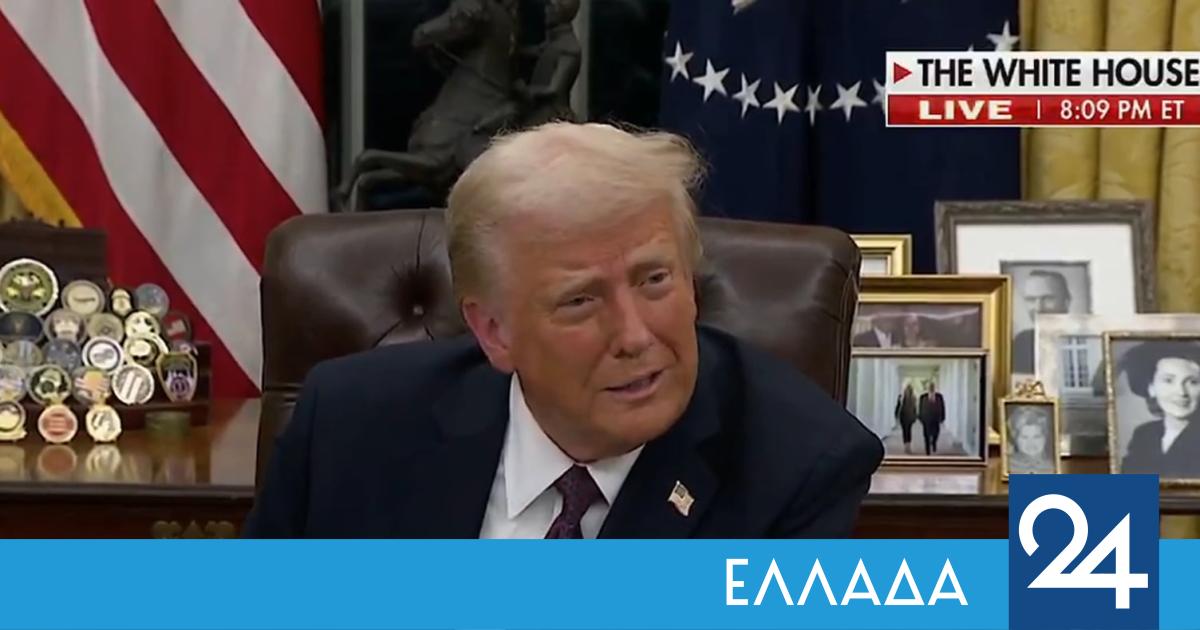
The Energy Minister also refers to the resonance of the Greek energy strategy in Washington. He makes special mention of the republication by President Donald Trump of statements on Greece’s energy strategy and transatlantic energy cooperation, arguing that this development reflects the country’s growing recognition as a reliable partner in the new energy map of Europe and the Eastern Mediterranean.
In conclusion, Mr. Papastavrou underlines that in the 21st century energy is a geopolitical power and that whoever controls his energy controls his destiny, noting that Greece is ready to contribute to the energy future of Europe as a country that offers solutions.