The new, sixth increase in the minimum wage from 2022 will be proposed by Minister of Labour and Social Security Niki Kerameos and Minister of National Economy and Finance Kyriakos Pierrakakis at tomorrow’s meeting of the Council of Ministers.
According to reports, the new increase, which will be implemented from April 1, was formulated taking into account the potential of the Greek economy and businesses of all levels, while the target remains for the basic wage to reach 950 euros in 2027.
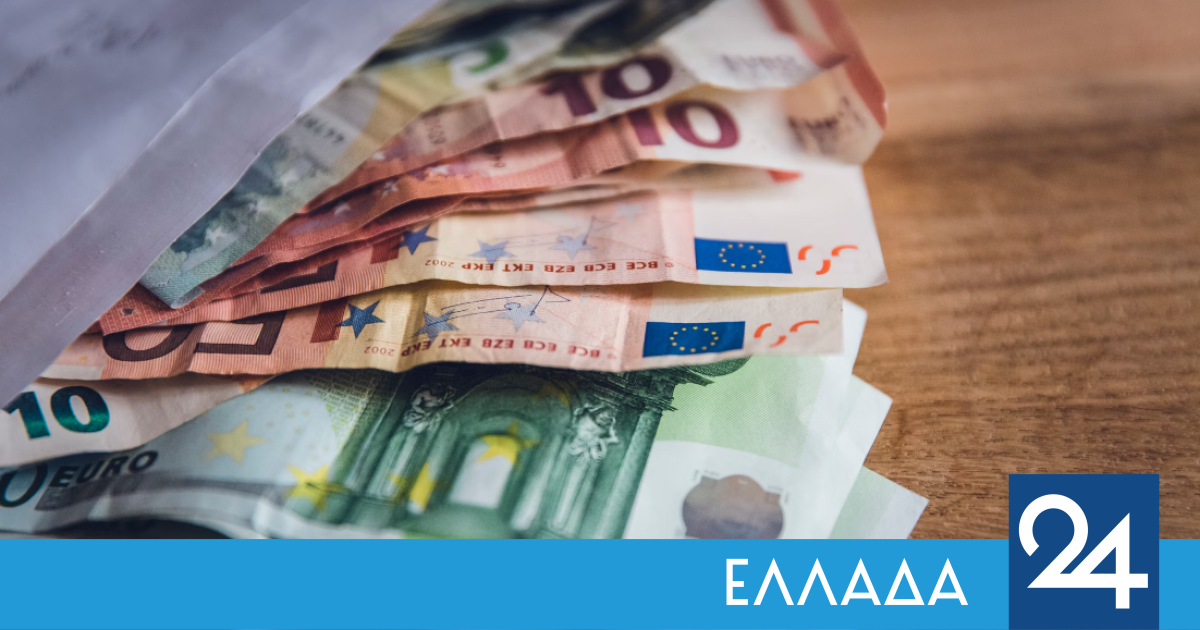
In recent years, the minimum wage has gradually increased from 650 euros in 2019 to 880 euros, an increase of 35.4%. This equates to 3,220 euros gross annually, meaning that those currently paid the minimum wage, before the upcoming new increase is factored in, are putting an extra five basic wages in their wallets for 2019.
Two sources with knowledge of the calculations made by the economic staff noted that the cumulative boost to the minimum wage after the five increases already implemented to date clearly exceeds the corresponding inflation rate, meaning that the real income of low-wage earners has been boosted.
The same sources pointed out that successive increases in the basic wage have not affected the downward trend in unemployment, which in January stood at 7.7%, according to ELSTAT. This is the best performance since 2008 and represents a 2.1-point drop from the 9.8 percent recorded a year earlier. According to the newest annual report of the ERGANI system, more than 563,000 private sector jobs have been created between 2019 and 2025. According to ELSTAT, employment in January exceeded 4.4 million, a 16-year high.
A government source with an insight into tomorrow’s announcements said the new minimum wage increase is another “tittle” in the policies to increase the real disposable income of the average citizen, in the wake of the passage of the National Social Agreement on collective bargaining, the continued increase in declared overtime thanks to the digital working card, the horizontal reduction of rates for low and middle incomes effective from this year and the “trimming” of social security contributions by 5.4 points cumulatively.
Indicative of the importance of these interventions is that 2.7 million more overtime hours were declared in 2025 compared to the previous year, while one of the first two collective agreements signed after the National Social Agreement was passed concerns the food service sector, one of the largest employers in our country, and provides for wage increases of up to 25% over the minimum wage.
In addition to the positive effect on income, the increase in the basic wage has a strong social impact, as it brings upwards a number of important benefits, such as unemployment benefit, maternity benefit, the now ‘unfrozen’ three-year benefits for older workers and parental leave allowance. Also affected, indirectly, is the bonus for overtime work.
It is also noted that the measure does not only apply to the private sector, as the salaries of civil servants are now adjusted proportionally to the increase in the basic salary. So, from the April payroll, civil servants will also see an improvement in their pay.