The new action “Produce in Greece”, with a total budget of €50 million, will be implemented in the framework of the “Produce in Greece” programme. €50 million, is another substantial intervention to strengthen the domestic production base, with a clear focus on manufacturing and sectors where there is a long-standing imbalance between supply and demand.
As stated in a briefing note from Anodos consulting, in an economic environment that seeks to boost competitiveness and reduce dependence on imports, this initiative fills a real investment gap.
-The amount of investment projects, from 100.000 to 400,000 euros, combined with subsidy rates of up to 55% under conditions of rapid implementation, creates a particularly attractive financial framework for SMEs. However, the requirement for an equity participation of at least 25% ensures that investment projects will also have the necessary financial maturity.
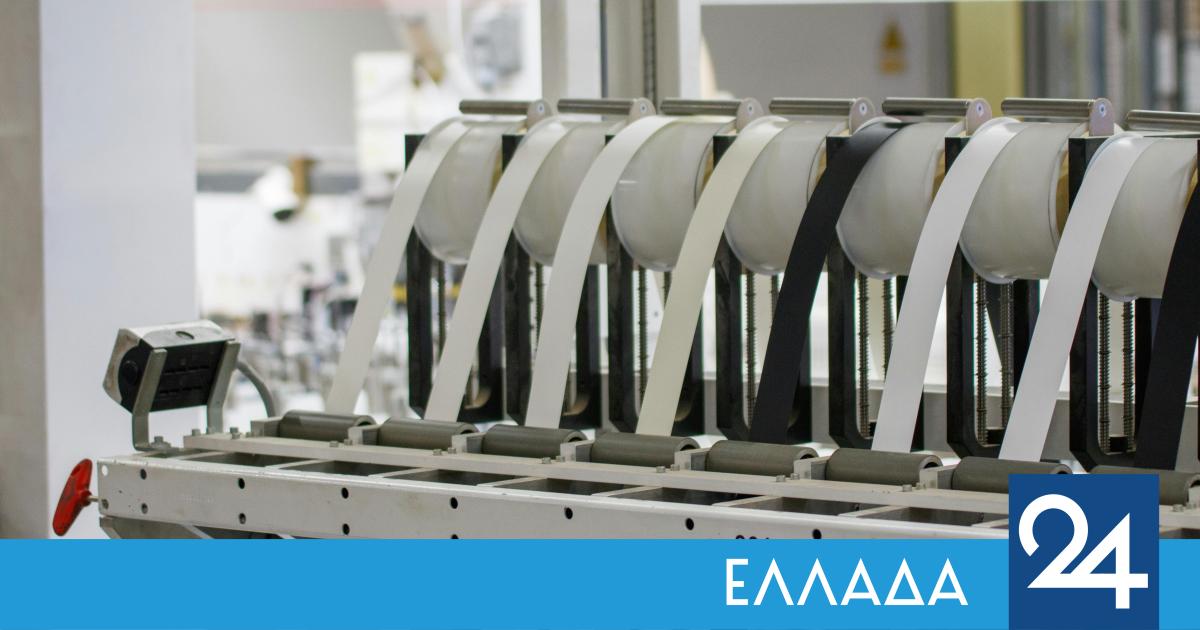
-The key point of the action is the clear emphasis on production and machinery equipment, which covers 65% to 90% of the budget. This choice is not accidental. The majority of Greek SMEs face a significant shortfall in modern production equipment, which limits both their productivity and their ability to penetrate demanding markets. Subsidizing such investments is expected to act as a catalyst for modernization, enhancing quality, reducing production costs and increasing export potential.
-At the same time, the provision for spending on energy savings, circular economy and digital tools (software, cloud services, etc.etc.) aligns the action with current European priorities for green and digital transition.
As Anodos points out, there are challenges that may act as a constraint for some businesses, such as the mandatory expenditure on salary costs for newly hired staff, which ranges from 10% to 30% of the total budget, so that while the measure encourages investment in modern, automated equipment, it also imposes an increase in employment. In practice, it estimates
Anodos’ modern production machinery is technologically advanced and designed to increase efficiency with less human intervention. This means that many businesses have no real need for extra staff to the same extent that the action requires. Instead, the trend is to upgrade the skills of existing staff, not necessarily to increase their numbers. As such, this obligation may create an artificial cost burden or even discourage firms from participating.
All in all, the “Produce in Greece” action is moving in the right direction, emphasizing where there is a real need: the modernization of the productive base of small and medium-sized enterprises. If properly exploited, it can make a substantial contribution to improving the competitiveness of the Greek economy. Its effectiveness will also be judged by the extent to which individual conditions, such as the mandatory increase in employment, are aligned with the actual operating conditions of modern Greek production.