Athens’ urban transport systems are on the path of modernisation and substantial reform, covering significant kilometres in the direction of sustainable development and green urban mobility.
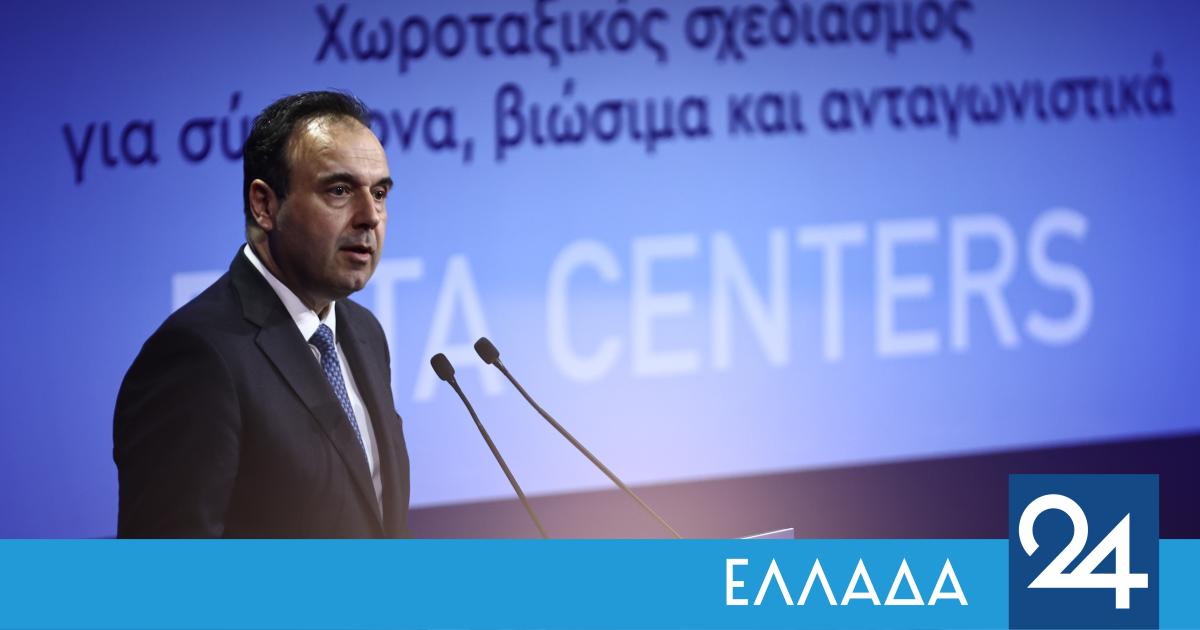
The main priority of the Ministry of Infrastructure and Transport, as Deputy Minister Konstantinos Kyranakis has stated, is the overall restructuring of public transport, “not as a package of impressive showcase projects, but as a conscious effort to put urban transport back on a path of normality, aiming at the quality and safe movement of passengers”. In this direction, OASA and OSY are “running” for a modern public transport operator, with the renewal of the vehicle fleet, the strengthening of human resources and the digitalisation of services, aligned with European standards.
In this context, OASA and OSI are proceeding with new tenders for the modernisation of the bus fleet.
In fact, by the end of 2027, the buses and trolleybuses that will be operating in the basin are expected to be 100% modern and technologically advanced, which constitutes a complete change in the model of road transport in Attica. Around 1100 brand new vehicles with zero environmental footprint, fully accessible for people with disabilities, will produce traffic work comparable to European standards.
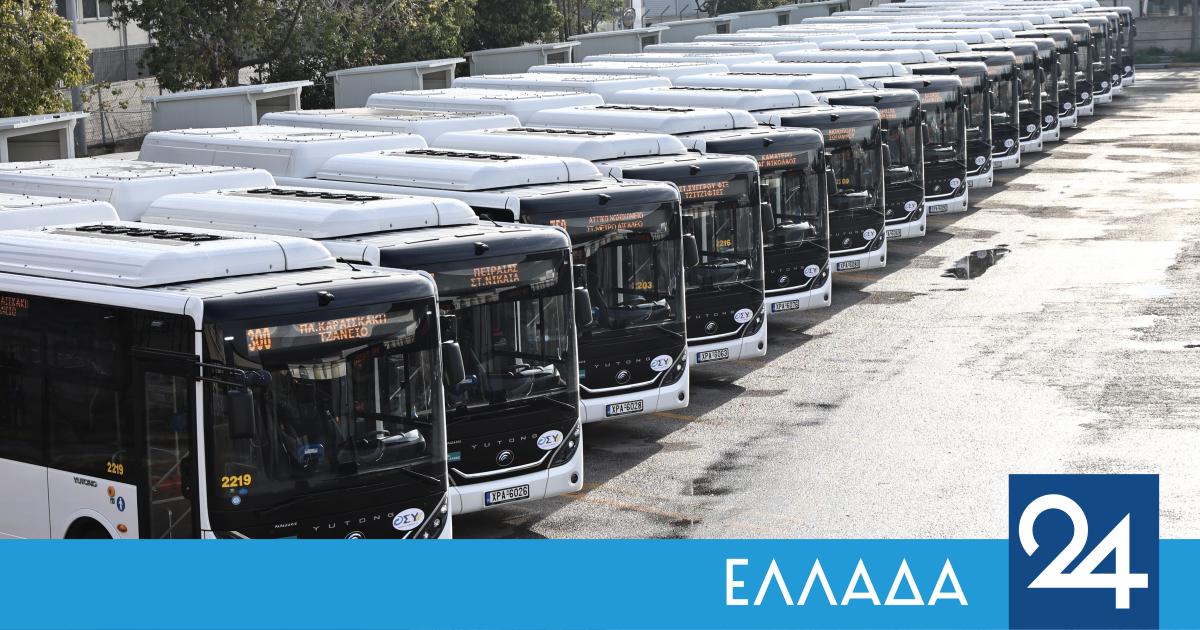
Specifically, as recently announced by the CEO of OSE, Stefanos Agiasoglou, the supply of new electric buses, hydrogen buses and a new generation of IMC technology trolleybuses is planned, while the inclusion of 125 electric buses on the streets of Athens is already underway, following the latest tender of the Ministry of Transport, with YUTONG as the contractor.
In the coming months, tenders worth hundreds of millions of euros are expected to “run”.
In particular:
-79 IMC electric buses and 38 trolleybuses through the NSRF, with an initial budget of around €100 million.
-50 fuel cell hydrogen buses (FCEV) through the Modernization Fund, with an initial budget of €80 million and the creation of a hydrogen filling station,
-100 additional electric buses through the Social Climate Fund, with an initial budget of around €100 million.
-In addition, the leasing of 120 electric buses is planned for the period 2027 – 2037.
In the long term, the aim is to increase the fleet to 2,000 new vehicles by 2035, currently standing at around 1,540 vehicles, of which around 980 are in daily circulation, in order to increase, in combination with fixed-route vehicles, the share of public transport journeys to 40%, approaching the levels of the Olympic Games period.
Already, the number of buses in circulation has increased significantly compared to 2020, with around 1,000 vehicles of the OSI and 200 of the Attica Public Transport Consortium (private buses) operating daily.
The main objective, as stated by the management of OSI, is to increase the frequency and reliability of the routes and to increase the use of public transport.
Recently announced was the enhancement of services for people with disabilities, with an increase in special vehicles from 3 to 10. This upgrade allows more people to be served, with the possibility of planning journeys throughout the day. It will now be able to serve 6,000 citizens per year, compared to approximately 3,000 to date. It will also increase from 5,500 trips to 12,000, effectively doubling the number of passengers served. In fact, very soon, there will also be a transition from traditional telephone scheduling to a modern e-booking system through a new digital platform and a special app.
Along with the renewal of the fleet, the practice of assigning bus routes to private operators is also continuing.
OASA’s new tender, worth around €15 million, is expected to involve 12-13 additional lines.
The aim is to free up vehicles and drivers to strengthen key lines with high ridership.
Recall that already about 74 lines in eastern and western Attica are operated by private operators through a contract.
3,200 drivers by the end of 2026
The shortage of drivers is the biggest problem for road transport services There are currently about 2,750 drivers on duty, while the need is increased by about 600 people, which leads – in some cases – to cancellations or dilutions of routes.
The aim of the management of OSE is to increase their number to 3,200 by the end of 2026, in order to fully cover the schedule of routes assigned to the company by OASA.
In order to address understaffing, recruitment has been launched through permanent positions, as well as fixed-term contracts, while the establishment of a driving school by OSE is an important innovation.
Through this, candidates without a professional diploma are given the opportunity to be trained free of charge, subject to five years of employment with the company. That is, if for any reason drivers who have been hired and trained by OSI leave in less than five years then they will have to repay the cost of training provided free by the agency.
Incentives such as an active driver bonus of €150 are also being considered to make the profession more attractive, with the salary ranging between €1,650 and €1,700 per month.
“He designed the buses of Athens”
Meanwhile, the OAS, as announced by the Ministry of Infrastructure and Transport, is giving passengers a say in the new look of the capital’s buses – similarly the OSE in Thessaloniki.
For the first time, citizens are invited to actively contribute to the shaping of a modern visual identity for the means of transport in the country’s two largest cities.
Designers, artists, students, creative agencies and amateurs are invited to submit their proposals for the new image of the fleet by 20 May.
Entries are submitted exclusively via the dedicated digital platform https://contest.oasa.gr/. There will be cash prizes for the best proposals, with the first prize amounting to €10,000. The winning designs will form the basis for the new unified image of the two fleets.
The initiative is part of the Ministry of Infrastructure and Transport’s overall plan “to upgrade public urban transport and promote sustainable mobility, while highlighting the public role of public transport in everyday life.”
</html