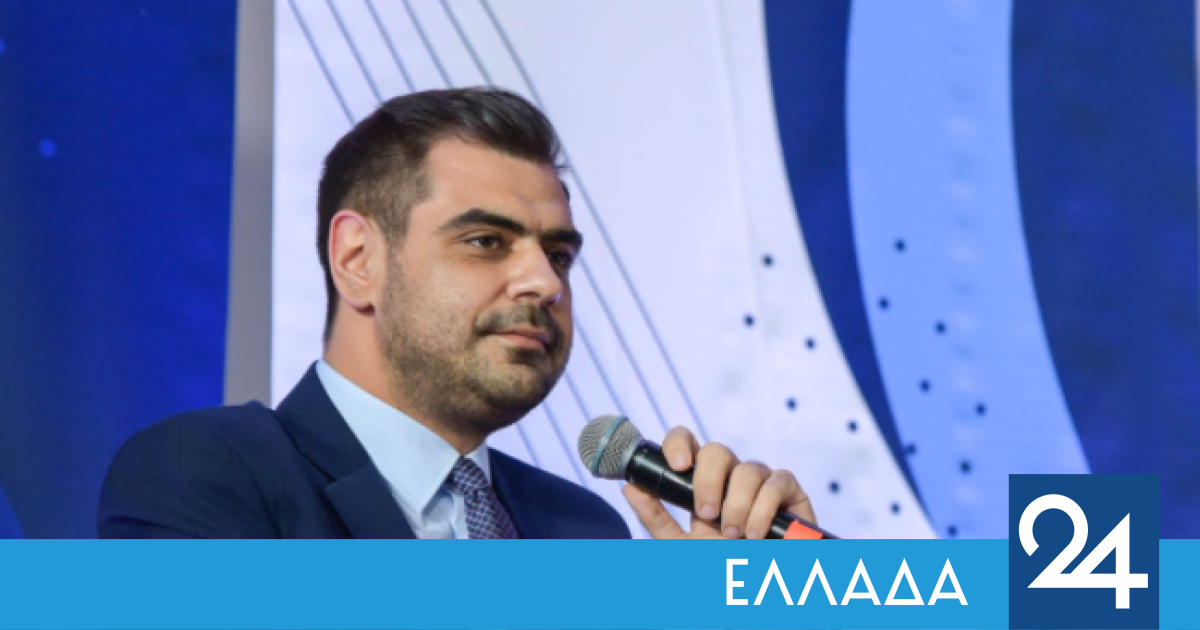
At the presentation of the book by Kostas Yfantis, Konstantinos Filis, Alexandros Diakopoulos and Makis Provatas, government spokesman Pavlos Marinakis highlighted how Greece is becoming a “sober player” in the Middle East.
Mr. At a time when international certainties are shaken, the presentation of the book by Kostas Yfantis, Konstantinos Filis and Alexandros Diakopoulos, “Middle East 1945-2025. At the event, Deputy Minister to the Prime Minister and government spokesman Pavlos Marinakis described the work as a “feat of condensation”, stressing the need for realism in foreign policy.
Marinakis made special reference to the role of new media and how they shape international public opinion. “The image of the war in Gaza as conveyed in raw … bypasses the traditional media mechanisms and creates a new political reality,” he noted, introducing the term “TikTok geopolitics”. As he explained, the unfiltered flow of information from Generations Z and A now directly affects international relations and the internal balances of states like the U.S.
Referring to the Greek strategy, the government spokesman was clear: “Foreign policy is dictated by the national interest and not by personal assessment or, much worse, emotion.” He stressed that Greece has chosen sides, identifying with stability and international law , while acting as a “sober player” that maintains channels of communication with both Israel and the Arab world.
Marinakis particularly focused on geostrategic upgrading through energy and trade projects such as the IMEC corridor and the Greece-Cyprus-Israel electricity interconnection cable. “It is not just economic news. It is the geostrategic upgrade of Greece,” he said, adding that such initiatives change the country’s image and create jobs for younger generations.
Commenting on the title of the book, the Deputy Minister warned of the dangers of outdated perceptions: “The ‘tyranny of expectations’ is the trap into which those who believe that the world will conform to their wishes fall.” Instead, the book offers the tools to see the world “as it is, not as we would like it to be.”
In closing his speech, Marinakis said that the country’s survival depends on the ability to anticipate change. The project, he concluded, is not just for experts, but for every citizen, as developments in a “strip of land in the Mediterranean” ultimately determine the future of future generations.
The book’s authors then spoke at the presentation.