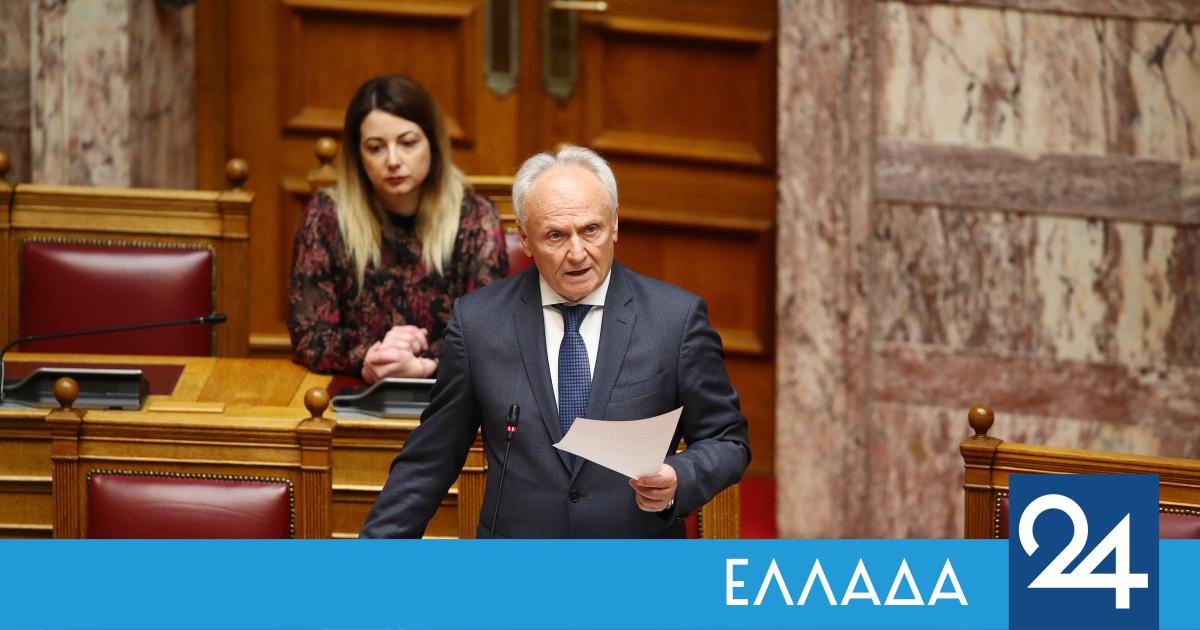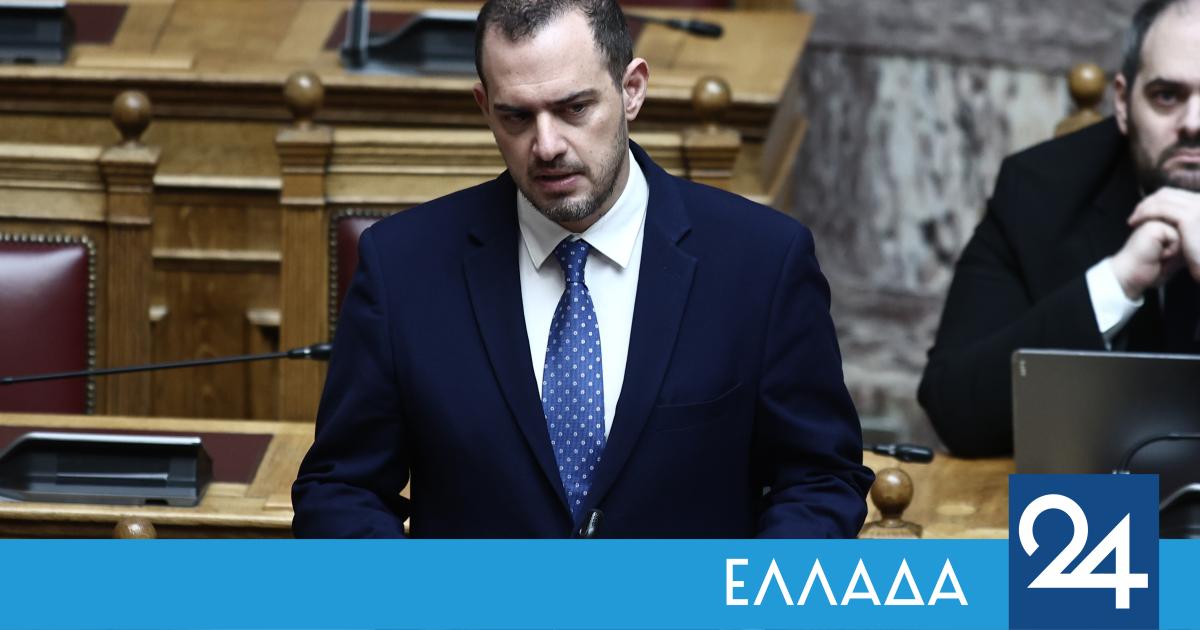
The measures taken by the government to boost the disposable income of citizens and those in greatest need were mentioned by Deputy Minister of Economy and Finance George Kotsiras, speaking on SKAI TV station.
Mr. Kotsiras highlighted, first of all, the new minimum wage increase announced this week, noting that it is the sixth consecutive increase in recent years, with a target of 950 euros in 2027. He noted that minimum and average wage increases over the years have exceeded the sum of inflation.
He also pointed out that efforts are being made to increase the disposable income of citizens through tax cuts and support measures, which, the Deputy Minister stressed, the country can receive “thanks to the good fiscal management that has been done in recent years”.
In order to address the rising energy costs from the escalating war in the Middle East, a “significant subsidy on diesel, larger than that given by other countries” is being provided and the cost of travel is being supported through the fuel pass for three quarters of car owners.
“We are trying to support those who really need it,” he stressed, without “mortgaging the future of the Greek economy”.
Mr. Kotsiras said that “precisely because we are in a period of emergency, we have to be responsible and the measures must be targeted, at the right time and for those who need them. Because if you don’t keep reserves for a crisis whose timing is indeterminate, that is not responsible behaviour.”
At the same time, he pointed out, the tax reform, which has been implemented since the beginning of the year, brings relief to the tax burden. As of January 1, wage earners and pensioners have reduced tax withholdings, while a large portion of citizens will see tax reductions when they file their tax returns due to a reduction in the presumption of living expenses.
In addition, freelancers in the region have a 50% reduction in the presumptive way of calculating income, while those who rented closed properties will also get tax relief, as part of an overall government policy to boost the supply of housing.
“Our goal is to reduce tax burdens, to have more disposable income directly in the citizen’s pocket,” Mr. Kotsiras.
Finally, with regard to the process of submitting tax returns, the Deputy Minister of Economy and Finance noted that order has been put in place, with specific deadlines, pre-filled returns and incentives for timely submission, with the aim of facilitating the citizen and the tax administration. Similarly, the possibility of lifting the immobilisation of vehicles from April 1 each year has been simplified and defined in law.