Greece’s strategy for reducing public debt and strengthening its credibility in international markets is highlighted in an extensive article by the German financial newspaper Handelsblatt in a report by journalist Gerd Heller, prompted by the latest early repayment of loans from the crisis-era bailout programs.
The newspaper notes that Greece is currently proceeding with the early repayment of €6.95 billion in loans from the second bailout program, continuing a policy it has been implementing since 2022.
As noted, the total value of early repayments will now amount to €33.45 billion.
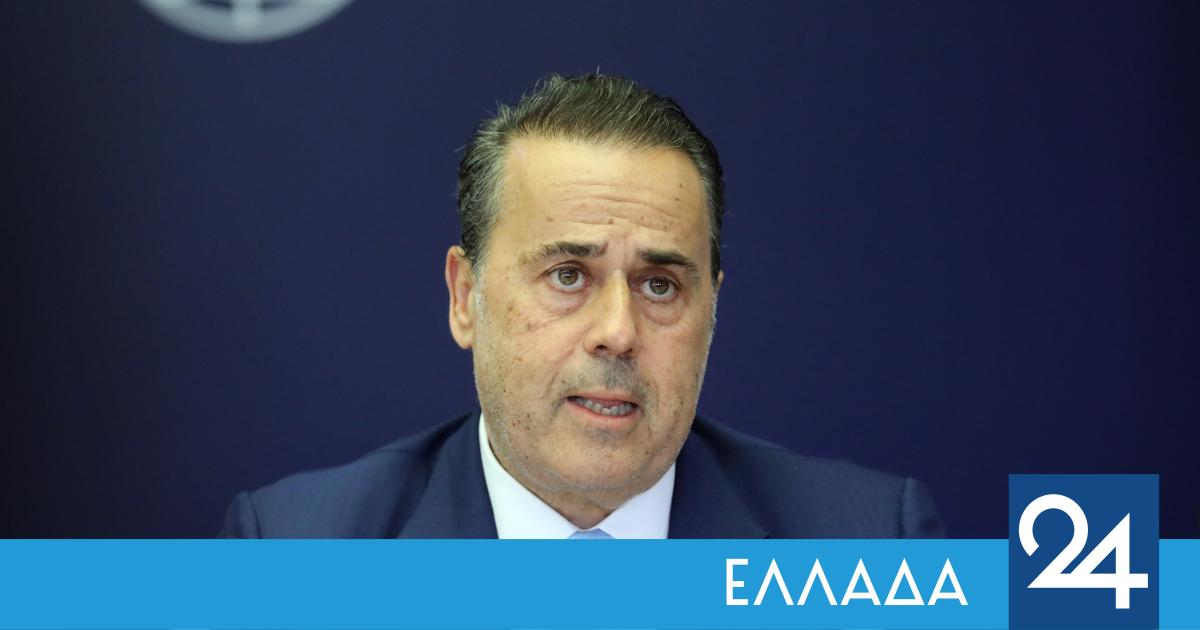
According to the report, the Minister of National Economy and Finance and President of the Eurogroup, Kyriakos Pierrakakis, seeks, through early repayments, to limit debt servicing costs, further reduce the debt-to-GDP ratio, and strengthen investor confidence in the country.
Handelsblatt emphasizes that Greece is seeking, through early repayments, to avoid future pressures on public finances, as favorable arrangements agreed upon during the debt crisis will begin to expire starting in the early 2020s.
At the same time, it links the early repayment strategy to maintaining the investment-grade rating that Greece has regained over the past two years, as well as with the country’s efforts to secure further upgrades from international rating agencies. As noted, the policy pursued by Athens aims not only to reduce debt but also to create an additional “safety cushion” in view of the increased financing needs expected to arise after 2032.
The article makes special mention of the dramatic improvement in the country’s fiscal indicators in recent years, noting that Greece is on track for a rapid reduction of its debt. As noted, if the government’s projections are confirmed, the country may soon cease to be Europe’s most indebted economy, with Italy taking the top spot in terms of the debt-to-GDP ratio, while if Greece manages to reduce its debt-to-GDP ratio to around 115% by the end of the decade, it could then even outperform countries such as France and Belgium.
The newspaper notes that the strategy of early repayments is already yielding measurable benefits for public finances. Citing data provided by Kyriakos Pierrakakis, it reports that these measures will save a total of 795 million euros in interest, while today’s repayment alone is expected to reduce the annual cost of debt servicing by approximately €100 million and reduce the debt-to-GDP ratio by 2.5 percentage points.
Finally, the article concludes that Greece, which found itself at the center of the European debt crisis a quarter-century ago, is now attempting to serve as a model of fiscal consolidation and proactive public debt management, while attributing a central role to Mr. Pierrakakis in the implementation of the strategy of early repayments and debt reduction.