The Greek shipbuilding industry, a sector that for decades has faced crises, devaluation and loss of production capacity, seems to be entering a new period of reconstruction and growth. The timing is not accidental. Geopolitical upheavals, Europe’s growing need for defence autonomy, the restructuring of global supply chains and the search for new industrial pillars of development are creating an environment in which Greece is attempting to reposition itself on the international shipbuilding map.
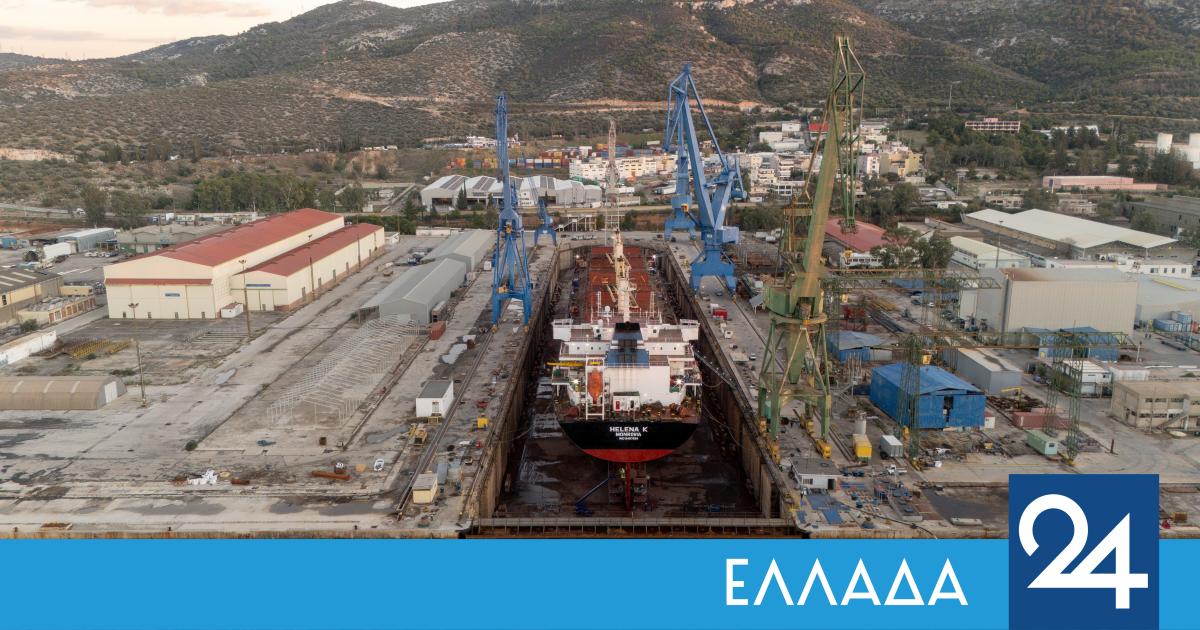
At the heart of this effort are the country’s three major shipbuilding centres – the ONEX shipyards in Elefsina and Syros, the Skaramagas Shipyards and the Salamis Shipyards. The common denominator of the initiatives is the development of strategic partnerships with powerful foreign industrial groups, mainly from South Korea, Germany and France, with the support of the United States in the broader strategic framework. These partnerships aim to strengthen the domestic manufacturing base, transfer know-how, develop advanced technologies, and create a modern industrial ecosystem.
The heads of the three shipyards, speaking to APE-MPA, describe a common picture: the effort to transform Greece into a regional centre for shipbuilding, defence industry, repairs, maintenance and construction of specialised ships of high added value. At the same time, they highlight the importance of new investments for the creation of thousands of jobs, upgrading the skills of human resources and strengthening the country’s industrial presence.
At a time when Europe is looking for new production capabilities in the defence and industrial sectors, Greek shipyards are seeking to exploit the country’s comparative advantage: its naval tradition, its geographical location and its experience in one of the most important sectors of the Greek economy.
ONEX: Project Trident and the ambition to create a new shipbuilding hub
The most ambitious investment project is being presented by ONEX through Project Trident, a $1.35 billion project. €1.1 billion project that aspires to create a fully vertically integrated production line for warships and submarines with Greek participation exceeding 70% of the total project.
The plan focuses on a strategic partnership with South Korea’s Hanwha Ocean to develop advanced submarine and frigate building capabilities. According to the investment plan, the first customer that chooses to join the frigate production line will take delivery of the first ship in 2031, while delivery of the first submarine is scheduled for 2034.
The design is developed in three phases. The first, worth €150 million, concerns the reinforcement of ship maintenance and repair capabilities through new infrastructure and tanks. The second, worth €200 million, involves upgrading port facilities and developing modern logistics. The third and largest phase, worth €1 billion, provides for the installation of advanced industrial equipment and automated production lines.
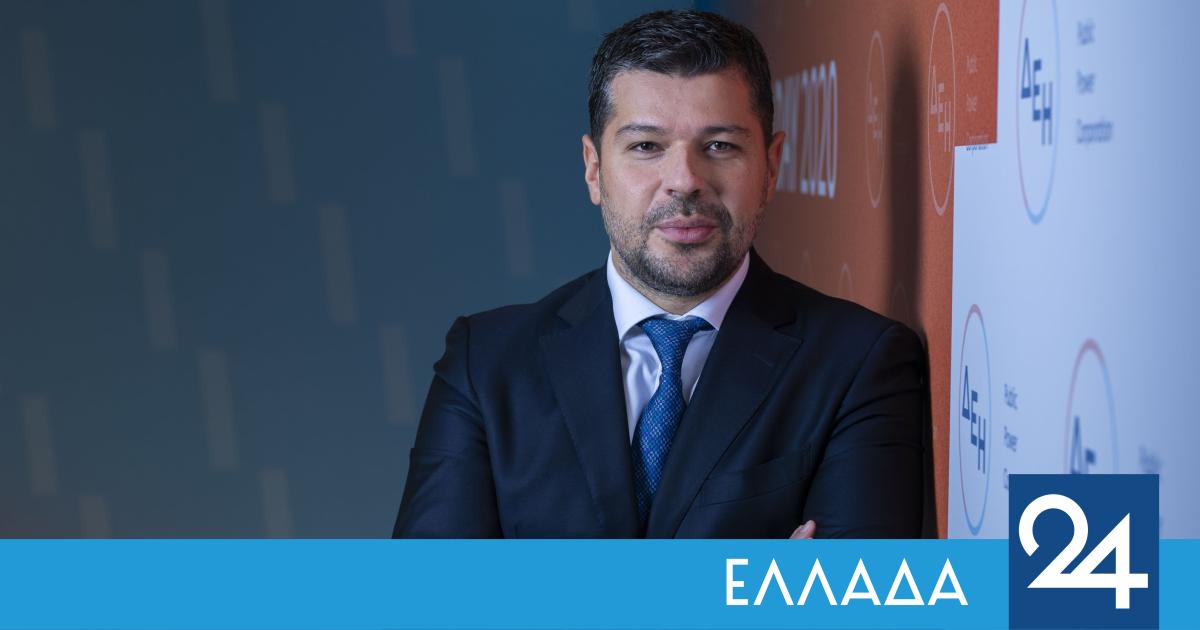
The President of ONEX Group, Panos Xenokostas, stresses that the aim is for the shipyards of Elefsina and Syros to become the “southern pillar” of the European shipbuilding industry.
As he notes to APE-MPE, the next day is linked to the introduction of automation, robotics and artificial intelligence technologies, as well as the transfer of critical know-how that will allow Greece to acquire capabilities to build submarines, frigates and other complex naval units.
In addition, the project is estimated to create up to 10.000 direct and indirect jobs, significantly boosting employment and domestic industrial production.
Scaramagas: From rebooting to connecting to the new European defence ecosystem
Skaramagas Shipyards also claims an important role in the new image of the Greek shipbuilding industry, which within a short period of time since the restart of its operation has developed activity in both the commercial and defence sectors.
The partnerships with South Korea’s HD Hyundai Heavy Industries and Germany’s TKMS are considered to be of decisive importance.
The agreement with HD Hyundai Heavy Industries concerns the design and production of surface ships and is expected to strengthen the participation of the Greek industry in future shipbuilding programmes, transferring know-how and best practices from one of the world’s largest shipbuilding groups.
In parallel, the cooperation with TKMS is focused on upgrading the Navy’s submarines, taking advantage of the German company’s expertise in Type 214 submarines.
The CEO of Skaramagas Shipyards, Miltiadis Varvitsiotis, tells APE-MPA that the progress of the shipyards is an example of how the revival of the Greek shipbuilding industry can be linked to the new needs of European defence and security.
As it says, Greece has the human resources, geostrategic position and naval tradition required to play a leading role in the emerging European defence ecosystem.
According to him, the development of shipyards is not only about production activity, but also about the creation of know-how, added value and new jobs that can act as a multiplier for the Greek economy.
Salamisa: Specialization, high technology and participation in international defense programs
In the third pillar of the Greek shipbuilding industry, Salamina Shipyards is investing in the strategy of specialization and participation in international defense production chains.
The company has already developed significant activity in support of high-tech defence programmes and is actively involved in the production of warship parts for international customers.
A characteristic example is the cooperation with the French Naval Group on the FDI frigate programme, through which Salamina Shipyards manufactures critical metal parts for ships destined for both the French and Greek navies.
The President and CEO of Salamina Shipyards, George Koros, believes that the Greek shipbuilding industry is facing a historic opportunity, which is linked both to geopolitical developments and to Europe’s effort to strengthen its strategic autonomy.
As he points out, the aim is not mass production but the development of high value-added ships for niche markets. In this context, Salamis Shipyards is considering expanding its activities in the construction of new generation commercial ships, with a particular focus on LNG carriers and high specification dry cargo ships.
This strategy is directly linked to the energy transition and the international demand for more efficient and environmentally friendly ships, a sector in which Greek industry is seeking to gain a stronger presence.
He stresses that Greece today has all the prerequisites to transform its maritime power and geostrategic position into industrial superiority, with the shipbuilding industry becoming one of the main pillars of the country’s development.
The common thread in all three cases is that the revival of the Greek shipbuilding industry is no longer seen as an isolated industrial venture, but as part of a broader national strategy linking the economy, technology, defence and extroversion. The international partnerships that have already been launched create the conditions for Greek shipyards to regain an important place on the global map, turning a traditional sector of the economy into a driver of growth for the coming decades.