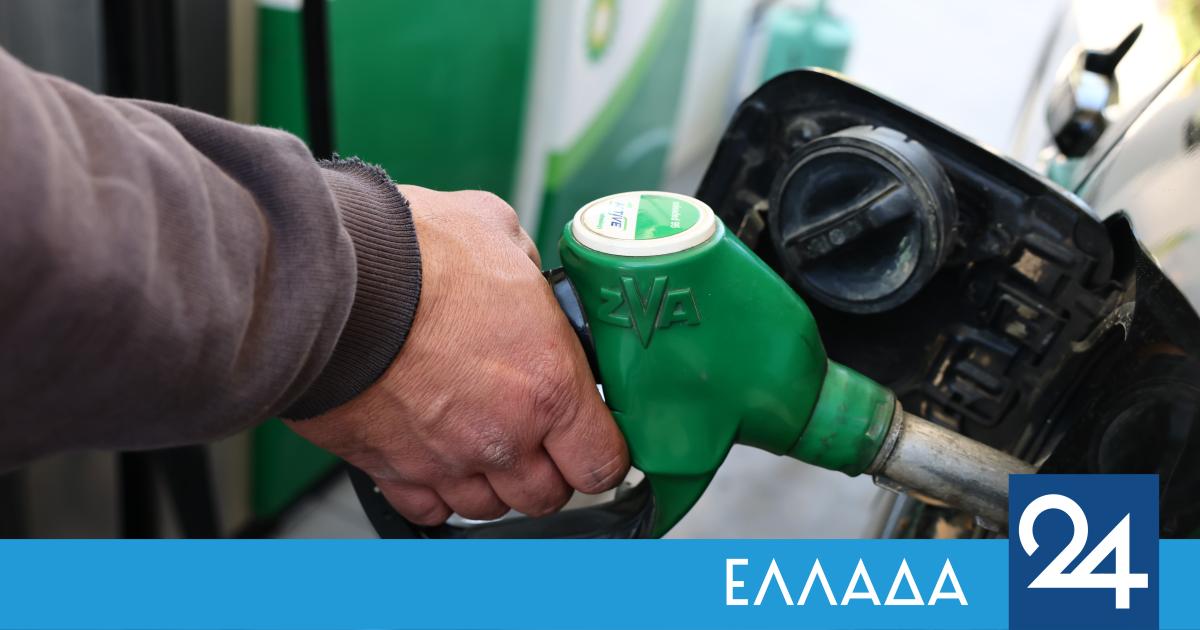
Developments in the Middle East and the new international energy turmoil have led the government to activate Fuel Pass III.
This is an attempt to stem the pressures before they are passed on to the market and household disposable income.
2,559,592 beneficiaries enrolled in Fuel Pass III
.
The report of the programme shows that in total, 2,559,592 beneficiaries were enrolled in Fuel Pass III, with the total amount of the aid reaching €113,085,905. Of these, 1,597,127 opted to credit the amount to a bank account, receiving a total of 65,102,285 euros, while 962,465 beneficiaries opted to use a digital debit card, through which 47,983,620 euros were made available.
.
The Ministry of Digital Governance and the Ministry of National Economy and Finance played a central role in the implementation of the programme, with ministers Dimitris Papastergiou and Kyriakos Pierrakakis coordinating the implementation of the measure, emphasising speed, transparency and the use of digital tools to serve beneficiaries.
The main objective of the measure was twofold: to support households’ disposable income in a period of increased energy costs and to avoid a new inflationary shock that would affect the economy as a whole and put pressure on the state budget forecasts.
Fuel Pass III thus acted as a tool for immediate intervention in a period of international uncertainty, building on the experience gained from similar measures in the 2022 energy crisis, when the war in Ukraine had caused explosive increases in energy prices.
.
The programme retained targeted income criteria, with the aim of directing aid mainly to households most affected by increases in transport costs. The income threshold was set at €25,000 for single people and €35,000 for married or cohabiting couples, with an additional €5,000 for each dependent child. For single-parent families, the limit was set at 39,000 euros, with corresponding increases per child.
The aid was differentiated according to the vehicle and the region of residence. For cars in mainland Greece, the subsidy was increased to 50 euros via digital card and 40 euros via bank account, while for island regions the amounts were increased to 60 and 50 euros respectively. For motorcycles and mopeds, the amounts ranged from 25 to 35 euros.
The feature that stood out in Fuel Pass III was the expanded use of the digital card. Unlike previous schemes, the card was not limited to fuel purchases only, but could also be used for public transport or taxis, enhancing the flexibility of beneficiaries and adapting the measure to actual travel needs. The balance of the card will remain available until July 31, 2026, with no cash withdrawal option.