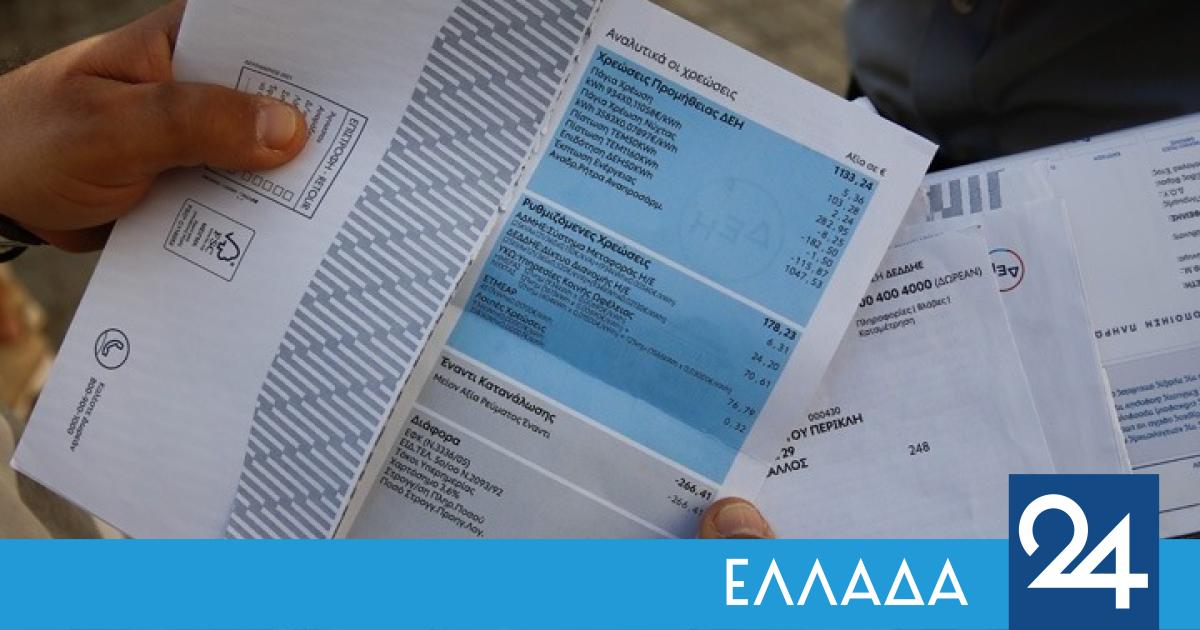
The stability in PPC tariffs for May, announced Thursday, reflects both the high penetration of renewables that held down wholesale prices and the discount policy of PPC and other suppliers that will continue next month.
The picture from the electricity market as a whole in recent months, despite the international crisis and the rise in gas prices, is that wholesale prices remain lower than in previous months.
In particular:
-In April so far, the average price has hovered around 100 euros per megawatt-hour.
-In March the price was 95 euros per megawatt hour.
-In the October-January period it ranged between 106 and 110 euros and last year in March it was 106 euros. Reasons for the price moderation are the increased participation of renewables in the energy mix, the favourable weather conditions of the season (high renewable production and low demand) and the restraint of the majority of suppliers in setting their pricing policy.
At the retail level, the main development is the shift of consumers to fixed (“blue”) tariffs, which was reinforced in 2025. At the end of the year, according to official figures, more than 1.65 million meters had joined fixed tariffs, compared to 867 thousand in January, thus ensuring protection against any appreciation trends that might arise.
The combination of the wholesale and retail picture is the reason why at present the issue of subsidising electricity bills has not been raised, as it had been during the energy crisis when prices had reached much higher levels.
In contrast to liquid fuels, prices remain high as does the uncertainty about their formation in the near future as international prices move to four-year record levels. The average nationwide price of unleaded, which exceeded 2.07 euros a liter in early April, now hovers near 2 euros, while diesel, which had exceeded 2.1 euros a liter, has fallen below 1.9 euros, helped by both the 20 cents per liter government subsidy that will continue in May and the cap on wholesale and retail profit margins.