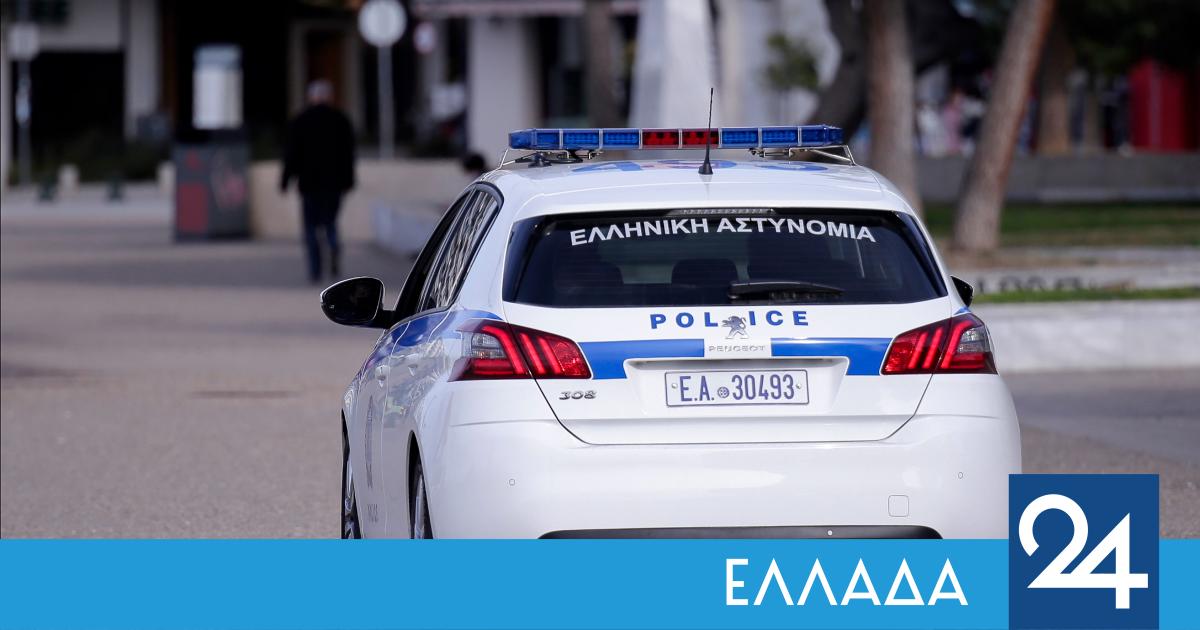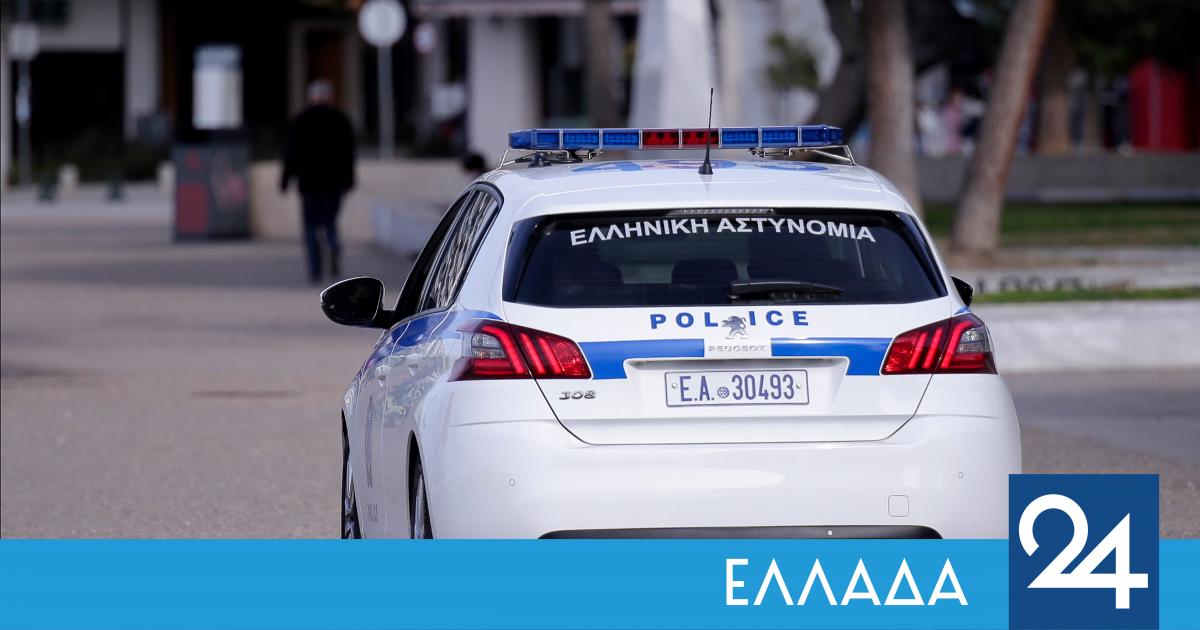
The new Digital Confirmation System for Road Traffic Offences has been in pilot implementation since the end of March, marking the gradual transition from handwritten to digital citations.
The new system will record, among other things, bus lane violations, speeding, red light violations, failure to wear a seat belt and helmet, and use of a mobile phone while driving. According to Greek police figures, 2,453 digital tickets have been issued so far, while the objections that have been upheld account for just 2.11% of the total.
A detailed statement from the National Police:
The Digital Confirmation System for Road Traffic Offences is being piloted from the end of March 2026, in the framework of the implementation of Law no. 5256/2025 and the broader effort to modernize road safety procedures and enhance the operational efficiency of control mechanisms.
The pilot operation is being implemented in cooperation between the Ministries of Citizen Protection, Digital Governance and Infrastructure and Transport, aiming at the gradual transition from handwritten to digital confirmation of road traffic offences, enhancing transparency, speed of processing and road safety level, while contributing to the saving of valuable police resources.
The system is being piloted powered by two discrete sources of offence recording. Specifically:
– from O.SY. S.A., through cameras operating on bus lanes, to record relevant traffic and parking violations; and
– by the Department for Digital Government, through a pilot network of “smart” cameras that support the detection of offences such as not wearing a helmet, not wearing a seat belt, exceeding the speed limit, running a red light and using a mobile phone while driving.
The programme uses modern technological tools with an emphasis on supporting the work of the Traffic Services and improving day-to-day operations.
The aim of all stakeholders is to create a reliable, functional and fully documented system, which will effectively support the work of the control authorities, while ensuring citizens’ rights, transparency and the absolute legality of the procedures for the confirmation of infringements.
In parallel, the use of modern technological means aims to reduce road accidents, enhance the prevention of dangerous driving behaviours and improve the overall level of road safety.
To date -2.453 digital calls, while -420 objections (17,12 % of all digital calls) have been lodged, of which -52 (2,11 % of all digital calls) have been accepted. A limited number concerned issues of a technical or procedural nature, such as time mismatches (-17- cases), indistinct features (-12- cases) or vehicles for which specific exemptions for the use of seat belts are provided (-3- cases). Other objections were upheld after consideration of substantive grounds, such as incidents related to health issues.
In addition, the continuous evaluation of the data collected contributes substantially to the formulation of the final operational and technical model of the automated control system, with the aim of continuously improving its functionality and efficiency.
In this context, during the pilot phase, technical and operational data are recorded and evaluated in order to make the necessary adjustments and optimizations. The aim is to further enhance the reliability and quality of the material produced, as well as the full institutional and operational maturation of the system before its wider deployment.
It is emphasized that, technology works in support of the work of police services and does not substitute for operational judgment and human control, which remain crucial to ensure the legality and proper assessment of each incident.
The pilot is an important step towards the development of a modern and effective road traffic management framework, with the protection of human life and further enhancement of road safety as a key focus.