Current cardiology research is turning to the use of artificial intelligence for early detection of atrial fibrillation and prediction of vascular strokes.
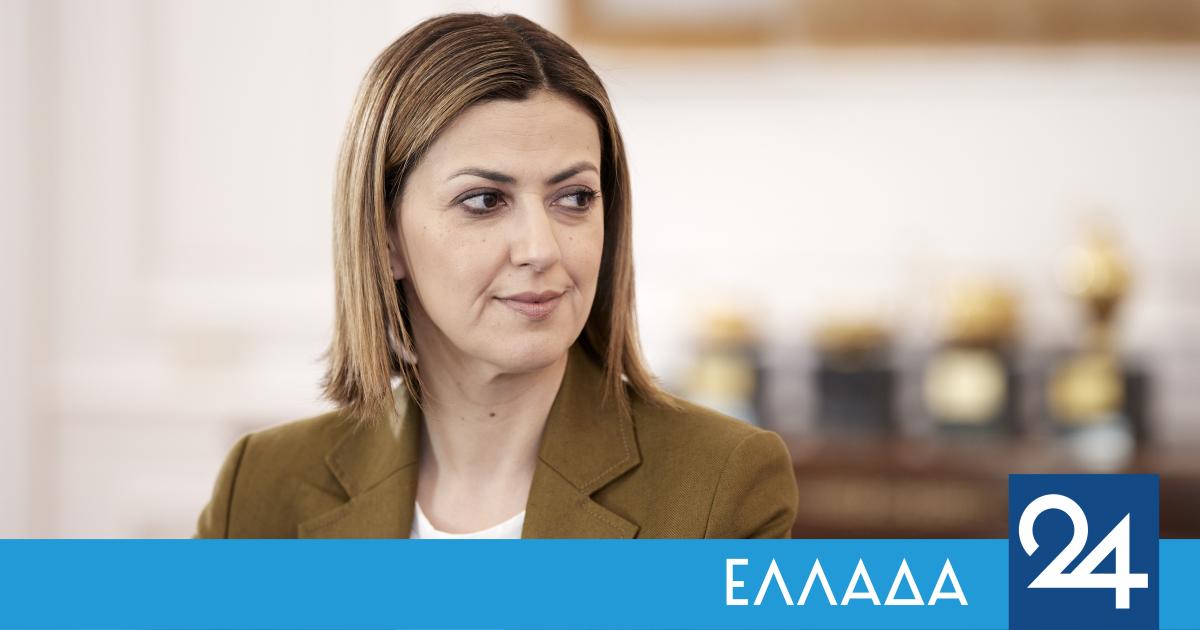
“Our focus in recent years has been on how artificial intelligence and wearable devices can help with early detection and prevention, aiming to identify people who are at increased risk.” Konstantinos Bakoyannis, Reader of Personalised Cardiovascular Medicine at the 3rd University Cardiology Clinic of the Aristotle University of Thessaloniki, Hippocrates Hospital, speaking to the Athens-Macedonian News Agency, on the sidelines of the “Hippocratic Days of Cardiology 2026” conference.
The conference, which takes place on May 14 and 14 in Thessaloniki, was organized by the 2nd University Cardiology Clinic of the Aristotle University of Thessaloniki in collaboration with the Atherosclerosis Society of Northern Greece.
The “silent” risk of atrial fibrillation
As Mr. Bakogiannis, there are patients who often have small or even larger strokes with no apparent underlying cause or a cardiac or other condition to justify it.
“A mild stroke can be treated relatively easily. But if it is more severe, it has implications that significantly affect function and quality of life. One of the major “hidden” risk factors is atrial fibrillation, an arrhythmia in which the atria of the heart go into chaotic mode, favouring the formation of clots that can reach the brain and cause an ischaemic stroke. We know that 25%-30% of strokes are due to ‘silent’ atrial fibrillation,” he notes, highlighting the severity of the condition, which often causes no noticeable symptoms.
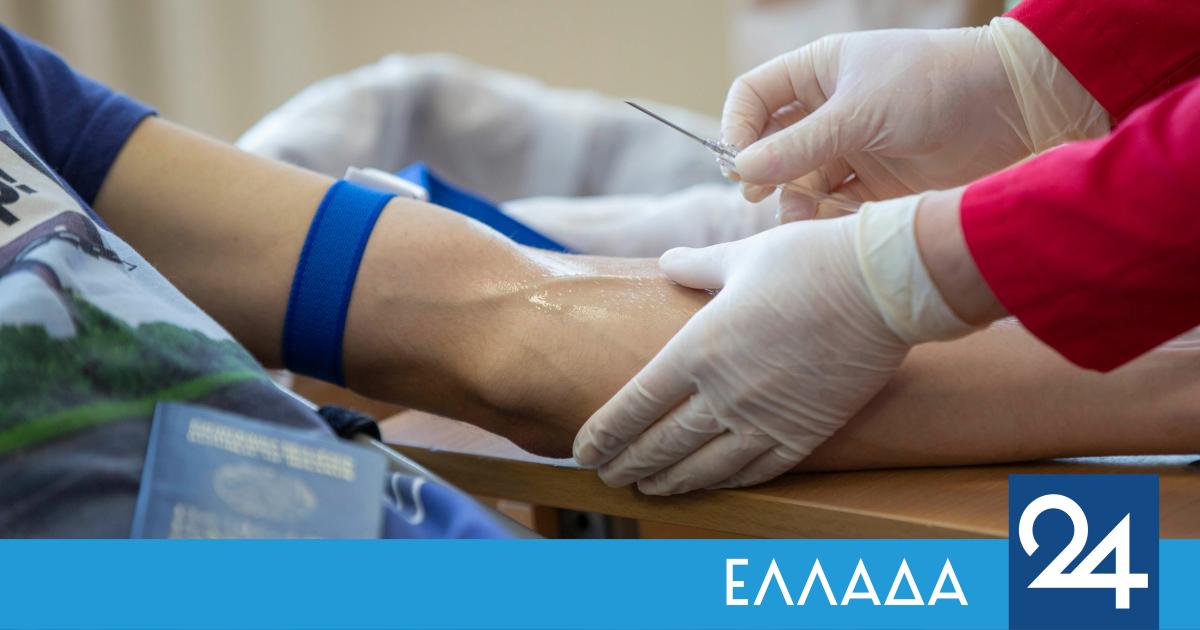
Paroxysmal atrial fibrillation – the most common form of arrhythmia – is particularly difficult to diagnose, in which episodes occur and resolve spontaneously within 24-48 hours. A formal diagnosis requires recording at least 30 seconds of continuous arrhythmia, which is not always possible with conventional methods, as the episode may occur as often as once every few months.
Algorithms that “see” what the human eye misses
Aiming to identify people at increased risk and provide early prevention, research is turning to the use of artificial intelligence.
“AI helps us on many levels. One of the key ones is that we can, even from a normal electrocardiogram, identify which people are at greater risk of developing atrial fibrillation. This is because, before arrhythmia occurs, there are small structural changes in the heart, such as enlargement of the atria. These changes are so subtle that the human eye can hardly detect them,” he says.
“Using artificial intelligence algorithms thus improves our predictive ability and allows us to identify who is most at risk, even without symptoms,” he adds, noting that wearable devices are moving in the same direction, as are modern blood pressure monitors with the ability to detect arrhythmias.
Anti-coagulant drugs are the main “shield” against strokes in patients with atrial fibrillation, but they increase the risk of bleeding. As Bakoyannis notes, balancing benefit and risk for each individual patient is precisely the area where personalised medicine, with the help of artificial intelligence, can prove decisive. “AI can also help us identify which patient benefits most from a treatment and help personalise it,” he adds.
Investigations
Bakoyannis says that it cannot be predicted with certainty when artificial intelligence will be integrated into everyday clinical practice, as most algorithms are still in the experimental stage, with studies conducted mainly in small populations. Extensive research in larger and diverse populations is needed to confirm their reliability and safety.
“Whether all these will soon be integrated into daily clinical practice depends on many factors: data availability, the regulatory framework and the overall organisation of the health system. If such tools are implemented en masse, they may also lead to overuse of health services, with more people becoming concerned and turning to doctors more often. All these issues are under constant discussion at European and international level. That is why I remain cautious as to when we can say that such tools are part of everyday clinical practice,” he explains.
The 3rd University Cardiology Clinic, pioneered by Professor Vassilis Vasilikos, has been active in this field for over ten years. It is currently conducting studies in patients with paroxysmal atrial fibrillation and in patients after ablation, with the aim of predicting recurrence, in collaboration with Harvard and New York Universities, in order to test the effectiveness of the algorithms in different populations.