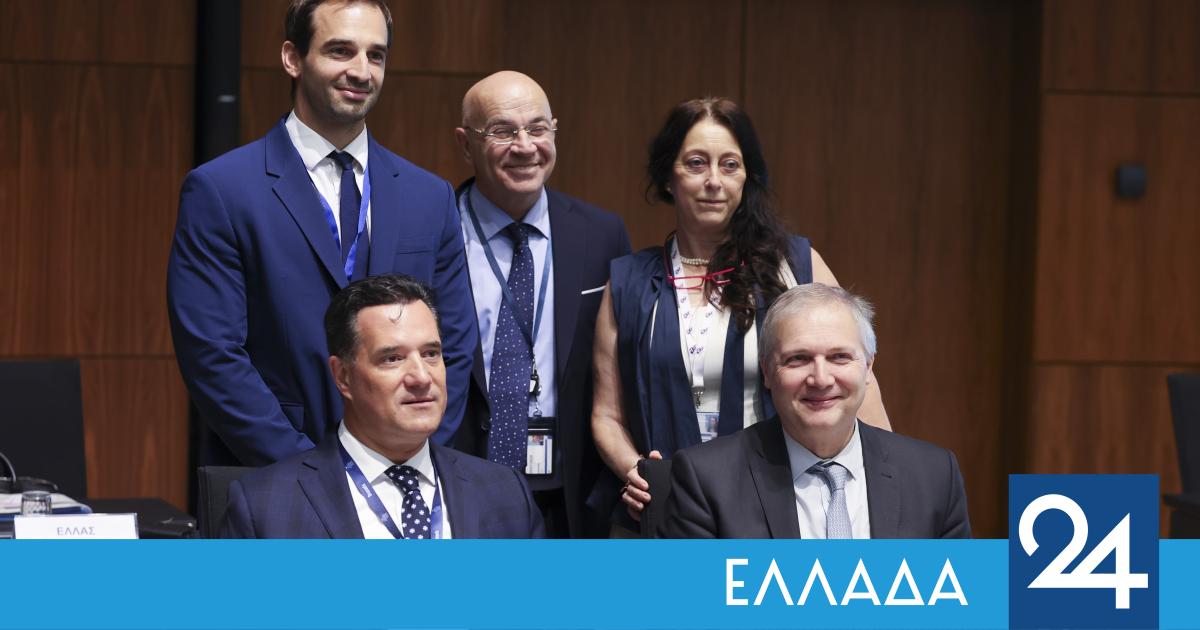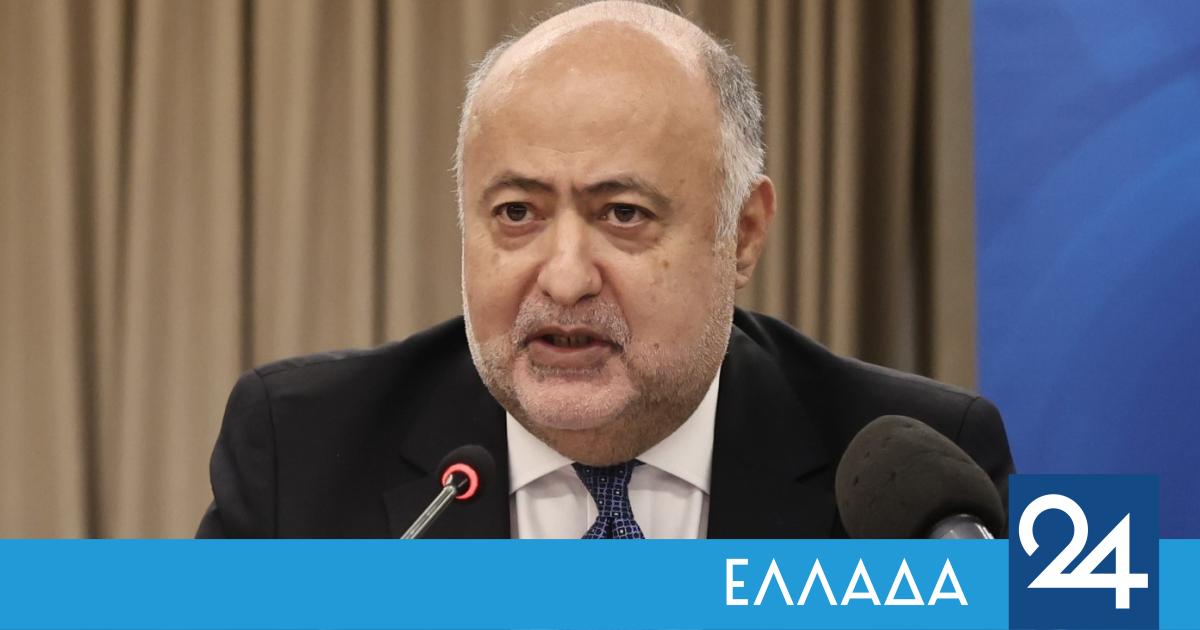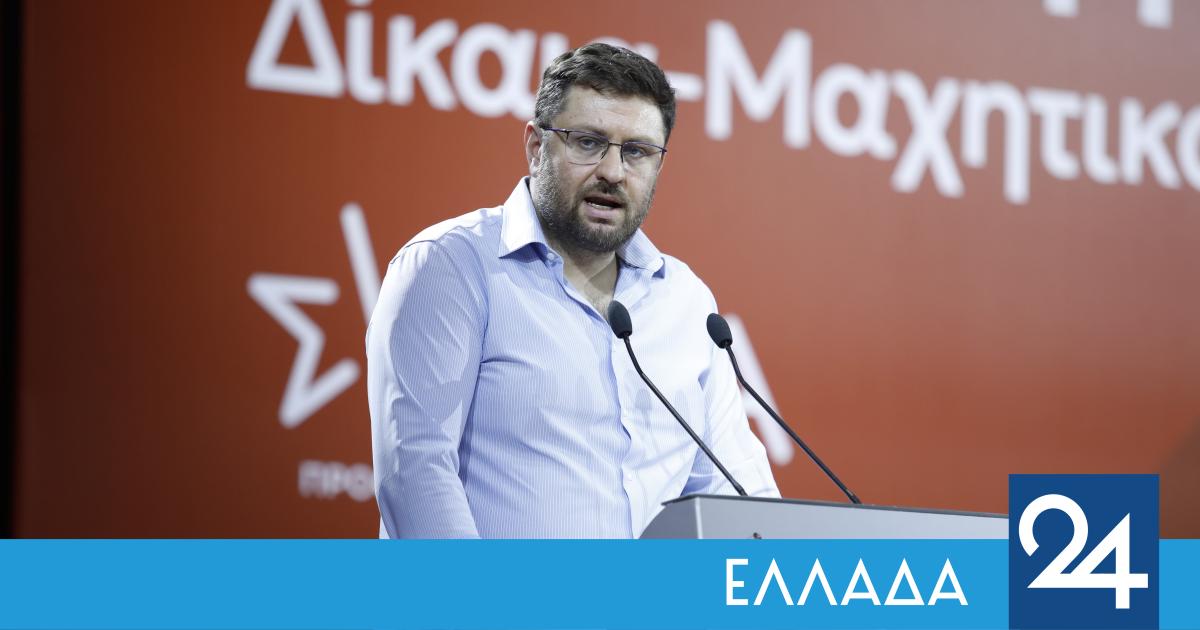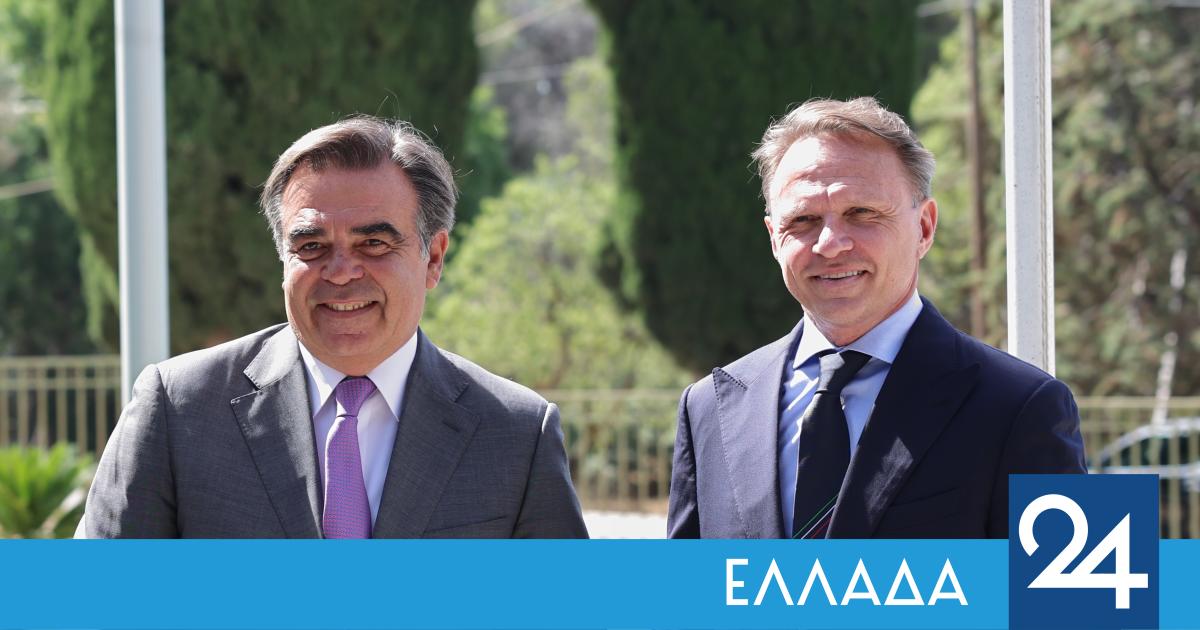
The Italian Minister of Agriculture, Francesco Lollobrigida, following his meeting with Minister of Rural Development and Food Margaritis Schinas during his visit to Athens.
Mr. Schoinas described the restructuring of the payment system as one of the most significant reforms undertaken in the primary sector, presenting the progress made to his Italian counterpart. “For the first time this year, we are making payments through the new system,” he noted, emphasizing that the adaptation of the Independent Authority for Public Revenue (AADE) to the requirements of agricultural subsidies is a complex but absolutely necessary process.
At the same time, he sent a message to the farming community, assuring them that “no Greek farmer will lose what they are entitled to,” while emphasizing that “the only ones who have reason to worry are those who are not entitled to payments.”
As he emphasized, the transition to the new model aims to ensure that payments are made “with efficiency, speed, and transparency,” fully restoring the system’s reliability.
For his part, the Italian minister sent a strong message of support for the measures being implemented by the Greek government in the agricultural payments system and, in particular, for OPEKEPE’s transition to the new operating model.
Mr. Lollobrigida emphasized that close cooperation is already underway between the payment agencies of the two countries, which includes the exchange of know-how, information, and best practices with the aim of accelerating the transition to the new system.
He expressed his conviction that the reform will yield results, stating that the process set in motion by the Greek government “will achieve the goals it has set to ensure that everyone is paid in a short period of time and that those who are entitled to payment are paid.”
At the same time, he emphasized that Italy stands by Greece during this transitional period, noting that “Greece, Italy, and our Ministry are at Greece’s disposal,” while adding that “we truly stand by the Greek government so that Greece can overcome this difficult and demanding transition period to the new payment system.”
The two ministers also agreed on the need to maintain strong funding for the Common Agricultural Policy after 2028, expressing concern about potential funding cuts while discussing ways to generate greater added value in the primary sector through investment, innovation, and better organization of production.
Earlier, during the meeting between the two delegations led by Margaritis Schinas and Francesco Lollobrigida, the shared commitment of Greece and Italy to strengthen cooperation on critical issues concerning the future of the European primary sector was reaffirmed.
Discussions focused on the country’s transition to the new system for managing agricultural subsidies through the AADE, the prospects of the new CAP, the protection and promotion of the quality of European agri-food products, as well as issues of fisheries cooperation between the two countries.
Particular emphasis was placed on the progress of the reform of the agricultural payment system, with the Greek side presenting the steps being taken to transition to the new model for managing aid through the AADE. Mr. Schinas highlighted the complex nature of the reform, noting that it is a process that is evolving “on the fly,” as the country is simultaneously called upon to ensure the smooth payment of subsidies to producers and to build a new, more reliable and effective payment system.
Furthermore, Italy’s experience in the field of agricultural payments served as a key point of reference. Francesco Lollobrigida emphasized the importance of technical preparation and institutional continuity during such transitions, noting that Italy has undergone similar modernization processes.
As he noted, the Greek effort constitutes a particularly demanding undertaking, which can create the conditions for greater transparency, technological upgrading, and stability in payments to farmers.
The two delegations also exchanged views on the new Common Agricultural Policy, emphasizing the need to maintain strong funding for the primary sector at a time of heightened geopolitical, environmental, and economic challenges.
Emphasis was placed on the need for the next CAP to offer greater flexibility to Member States, reduce the administrative burden on producers, and strengthen policies that promote competitiveness, investment, innovation, and value-added production.
At the same time, issues related to the protection of high-quality Mediterranean agri-food products were discussed, with an emphasis on controls, product authenticity, and the protection of iconic products such as olive oil, dairy products, fruits, and vegetables.
Finally, it should be noted that the meeting was attended on the Greek side by the Deputy Minister of Rural Development and Food, Yannis Andrianos, the Secretary General of Rural Development, Spyros Protopsaltis, and the Chairman of the Parliament’s Interparty Committee on the Primary Sector, Yannis Oikonomou.
The Italian delegation was accompanied, among others, by the Italian Ambassador to Greece, Paolo Cuculi, Diplomatic Advisor Cesare Morbelli, Commercial Attaché Mario Savona, as well as representatives of Italian companies with a presence in Greece.