The amendment of the Directives concerning the placing on the market of genetically modified microorganisms in the European Union and their use in the processing of solid organs (Biotech I Directive), an exchange of views on the Regulation on the European Biotechnology Act I and how it can strengthen health biotechnology in the EU were among the topics discussed today at theof EU Member States’ Health Ministers, held in Luxembourg. In addition, progress was reviewed on the negotiations regarding the Regulation amending Regulations 745 and 746/2027 on medical devices and in vitro diagnostic medical devices, while the policy on “Strengthening Europe’s Pharmaceutical Resilience and Strategic Autonomy” was also discussed.
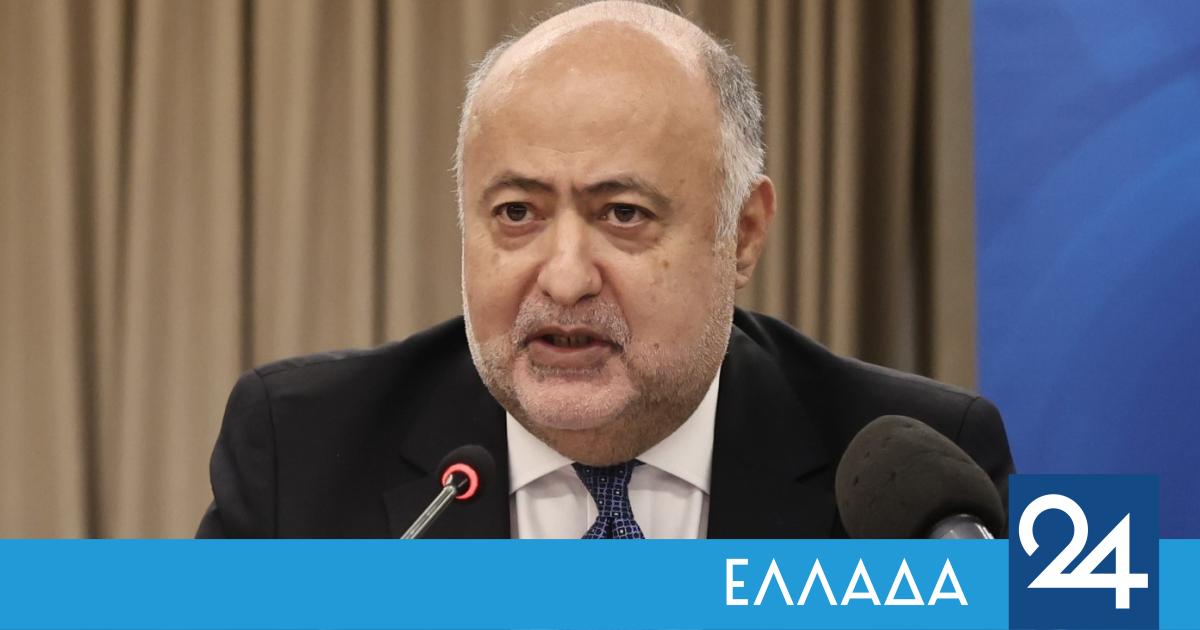
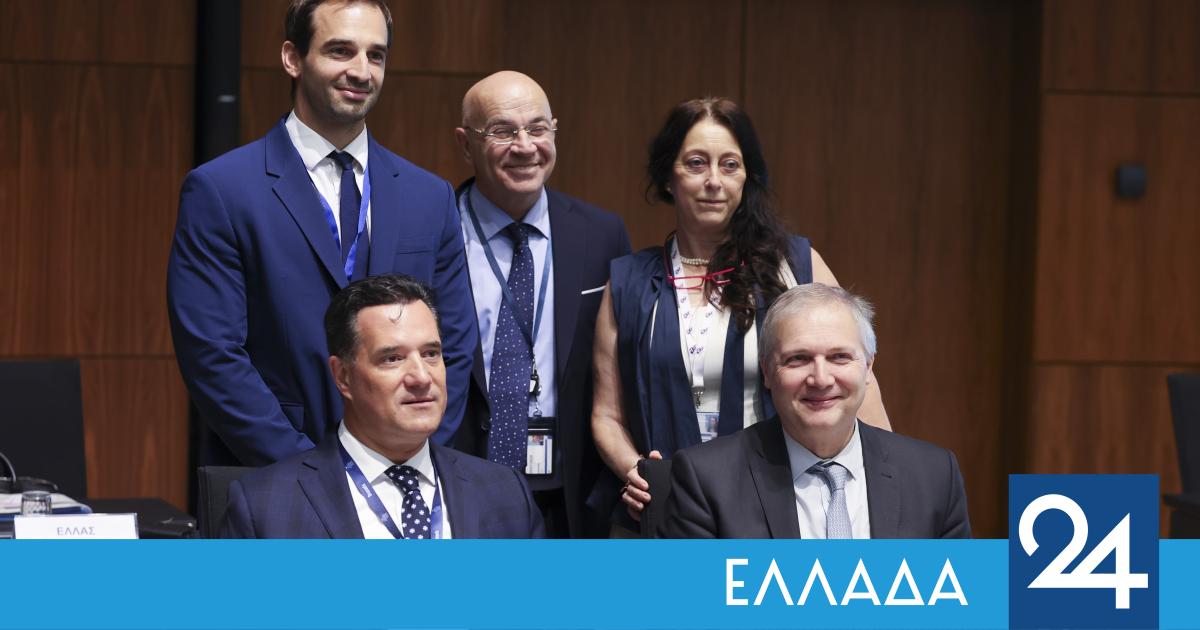
The meeting was attended by Health Minister Adonis Georgiadis, accompanied by the Secretary General for Strategic Planning, Dr. Aris Angelis. The meeting was chaired by Cyprus’s Minister of Health, Neophytos Charalambides, and attended by EU Health Commissioner Oliver Varhelyi, the Commissioner for Crisis Management Hadha Lahbib, the Director of the EMA Emer Cooke, and the Director of the ECDC Pamela Rendi-Wagner.
In his remarks, the Minister of Health supported the Council’s general approach to the Directive (Biotech I Directive), emphasizing that the Cypriot Presidency had strengthened the provisions, particularly regarding the processing of transplants.
Regarding the Regulation on the promotion of biotechnology and biomanufacturing in the Union, he emphasized that Greece considers the European Biotechnology Act a key strategic initiative for strengthening Europe’s leading position in biotechnology and biomanufacturing in the health sector. “At a time of intensifying global competition, biotechnology is not only a driving force for growth and innovation, but also a critical pillar of Europe’s health security, resilience, and strategic autonomy.” At the same time, he explained that, while Europe continues to excel in scientific research and faces a persistent gap between scientific excellence and commercial success, many innovations are ultimately developed, manufactured, and marketed outside the Union.
The new legislation must help reverse this trend, emphasizing that the European Biotechnology Act represents a unique opportunity to strengthen Europe’s global competitiveness, while ensuring that scientific and technological progress delivers tangible benefits for patients and citizens.
To achieve this goal, the Regulation should cover the entire biotechnology value chain, from research and clinical development to manufacturing, market launch, and patient access. Europe must become a place where innovative companies can grow, invest, and manufacture, while ensuring that patients benefit more quickly from cutting-edge technologies.
In this context, actions are proposed across three key pillars, as the Minister of Health stated.
First, regulatory simplification must yield tangible results. Building on initiatives such as FAST-EU and COMBINE, the directive should establish faster, more predictable, and better-coordinated procedures for clinical trials and product development across the Union. Reducing unnecessary administrative burdens, while ensuring operational sustainability for competent authorities and ethics committees, will enhance Europe’s attractiveness for research and innovation.
Second, Europe must address its structural weaknesses regarding funding for scaling up and industrial development. Stronger support for later-stage financing, strategic investments, and advanced bioproduction infrastructure is essential to help innovative companies remain and grow within the Union. At the same time, we must seize the opportunity to build a stronger biomimetic sector.
Third, the framework for strategic projects should focus on technologies that address unmet medical needs, strengthen security of supply, and enhance Europe’s long-term competitiveness.
Finally, the Minister reiterated that the success of the European biotechnology initiative should ultimately be measured by its impact on patients’ health, emphasizing that true innovation is innovation that reaches patients and improves their clinical outcomes.
Regarding the proposed amendments to Regulations 745 & 746/2017 on medical devices and in vitro diagnostic medical devices, he reiterated that the improved framework, which will address the shortcomings of the previous one, should be agreed upon and adopted as soon as possible, while maintaining high standards of quality and safety, in order to ensure an uninterrupted supply to the market.
During the lunch discussion, Mr. Georgiadis reiterated that he considers access to medicines to be a matter of strategic autonomy, resilience, and European security. He believes that the EU’s key priorities are strengthening European pharmaceutical production, diversifying supply chains, and effectively implementing the Critical Medicines Act and the revised Pharmaceutical Legislation. At the same time, he emphasized that resilience must go hand in hand with sustainable access to innovation, and that the HTA Regulation can make a substantial contribution to faster patient access to new, clinically effective, and affordable treatments, while developments in pricing policies require close European monitoring, evaluation, and coordination. He advocated for strengthening voluntary cooperation among Member States and keeping the issue of antimicrobial resistance high on the European policy agenda. Finally, he proposed that the issue be discussed on an ongoing basis at upcoming meetings of the Council of Health Ministers.
Furthermore, the Minister of Health reiterated that Article 9 of the Urban Wastewater Directive cannot be implemented as is, until we have a clear picture of the implications for the pharmaceutical sector and patient safety, calling for immediate action.
On the sidelines of the Council of Health Ministers, accompanied by the Secretary General for Strategic Planning, Health Minister Georgiadis held a bilateral meeting with Commissioner for Crisis Management Ms. Lahbib, during which he was briefed on the European Commission’s actions regarding the response to the Ebola outbreak in Central Africa. For his part, the Minister reaffirmed Greece’s support for the work of HERA and was informed that a legal provision had recently been enacted to institutionalize the country’s participation in the European