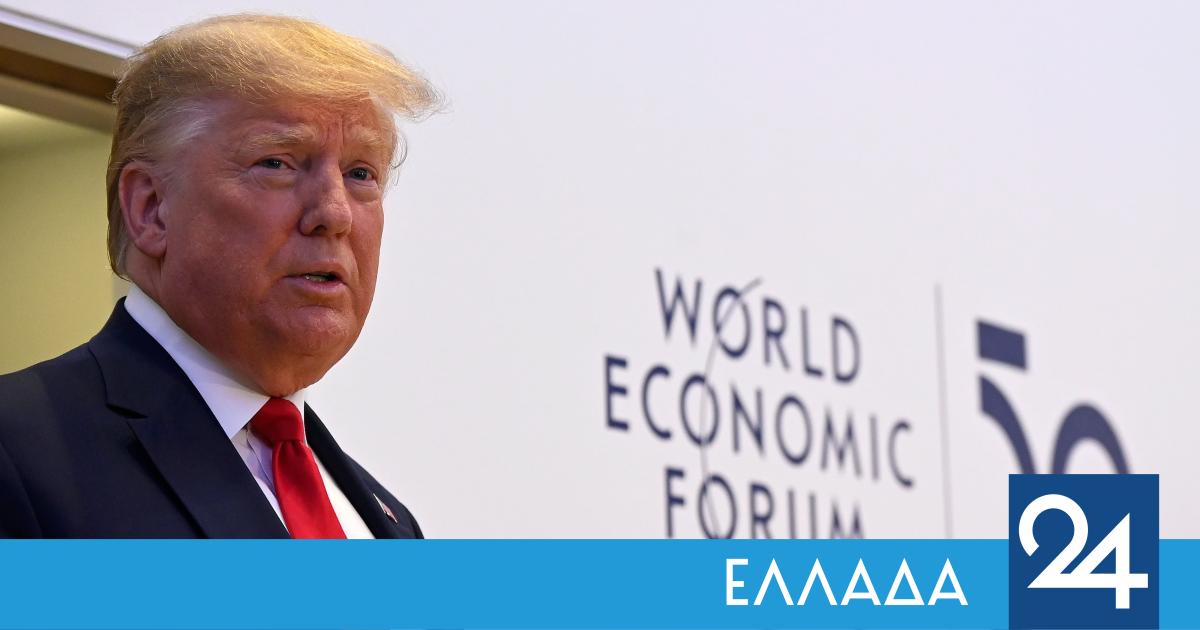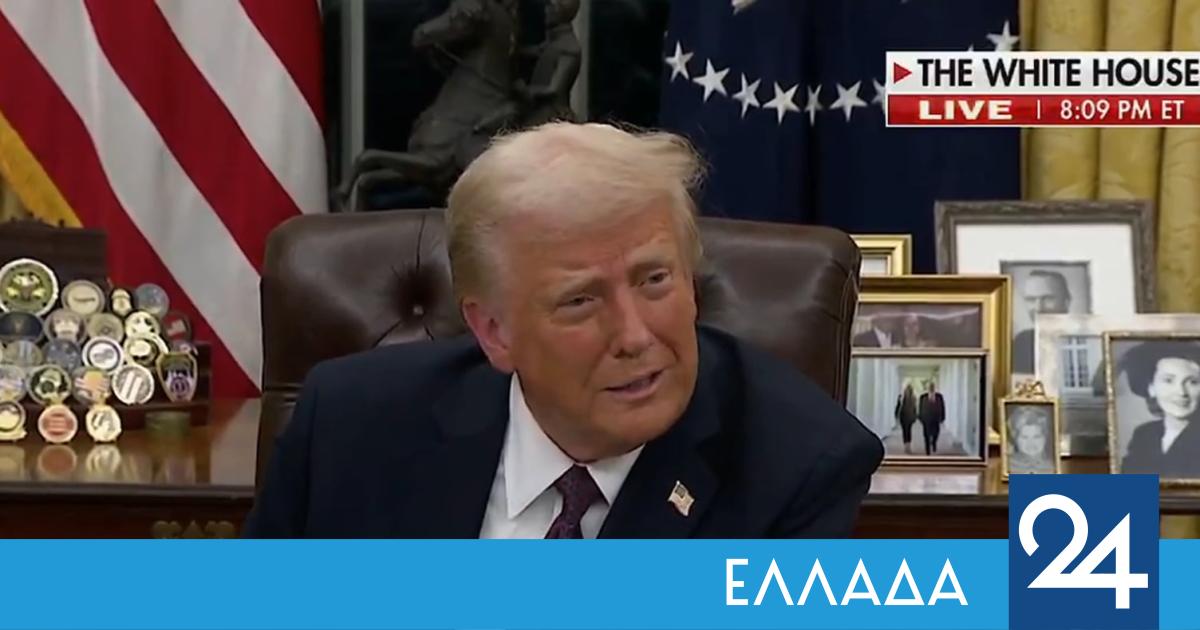
Donald Trump assured yesterday, Monday, that the Strait of Hormuz will be “completely open” on Friday, the day the signing ceremony for the framework agreement between the U.S. and Iran to end the war in the Middle East is scheduled.
“Ships, many of them loaded with oil, have begun to leave the strait,” the U.S. President said yesterday via Truth Social. He had already urged “ships from all over the world to start their engines” the day before, on Sunday, so that “the oil can flow!”
Iranian media reported last night that three oil tankers and two cargo ships carrying goods crossed the maritime area that had until now been subject to a U.S.naval blockade.
According to a senior U.S. official, the framework agreement has already been signed electronically by Donald Trump, his vice president, Jay D. Vance, and the speaker of the Iranian parliament and Tehran’s chief negotiator, Mohammad Bagher Ghalibaf.
The contents of the agreement have not been made public, and many doubts remain regarding the issues on which the two sides disagreed, despite the arduous negotiations to end the war.
The agreement “will bring peace to the region,” promised Donald Trump, who said upon arriving yesterday at the G7 summit in Evian, France, that he wants to make the text public because “it is very strong.”
He hinted that on Friday, after the signing ceremony in Geneva is completed, he would personally declare the start of the sixty-day negotiation period to reach a final agreement.
There is a “backlog of broken, unenforceable, and abandoned commitments, we have all of this in mind” in the process of negotiating and implementing the agreement, noted, much more cautiously, Iran’s top diplomat Abbas Araghchi on state television.
“At the same time, we are doing everything possible to create economic opportunities for our country through this agreement,” he added.
No “trust”
The first reports on the agreement’s content come mainly from Tehran and Iranian media. According to the Islamic Republic’s diplomatic sources, it provides for “the immediate and definitive end of the war and military operations on various fronts, including Lebanon.”
In the strategically important Strait of Hormuz, Iran intends to charge fees for the services it will provide to ships, rather than a transit fee that the U.S. does not want, according to the same source.
According to Tehran, “the American side has committed” to making Iranian funds frozen abroad available and to paying compensation for war damages. No funds frozen abroad due to U.S. sanctions have been made available to Iran so far, a U.S. official countered.
The U.S. must also guarantee an end to the war Israel is waging against Hezbollah in Lebanon, said Iranian Foreign Ministry spokesman Esmail Baghaei, emphasizing that Tehran has no “trust” in either of the two countries.
Hostilities between the Israeli armed forces and the Shiite movement aligned with Iran appeared to have been suspended, but an Israeli airstrike killed one person in the south yesterday at noon. Subsequently, Hezbollah reported that it had “repelled,” using rockets and unmanned aerial vehicles, an Israeli unit attempting to advance into Lebanese territory.
The Israeli army will remain in Lebanon “for as long as necessary,” as well as in Syria and the Gaza Strip, Israeli Prime Minister Benjamin Netanyahu stated yesterday.
While the agreement between Tehran and Washington is viewed by much of the public and the political establishment in Israel as a failure of the Netanyahu government, the Prime Minister has asserted that the war against Iran saved his country from the danger of a “nuclear catastrophe.”
A sigh of relief
The announcement that an agreement had been reached to end the war, which broke out on February 28 with the intense American-Israeli bombardment of the Islamic Republic and cost the lives of thousands of people, mostly in Iran and Lebanon, was met with relief in international markets and pushed oil prices down, which fell nearly 5% yesterday — a barrel of North Sea Brent crude was trading at $83.17.
Citizens of countries in the region, however, seemed far less reassured. “The Iranian people have gained nothing from this agreement,” commented Ariya, 38, an English teacher in Tehran. “People will not return to their former lives. The main lesson of this war for the Iranian people is that Trump is not their ally,” he added.
In Lebanon, some of the displaced were considering returning to the south, to areas not under Israeli military occupation. “Even if nothing remains but rubble, we will pitch a tent and stay,” said Hana al-Jama, expressing her “gratitude” to Iran.
The sixty days of negotiations expected to begin on Friday will address four issues, according to Iranian Deputy Foreign Minister Kazem Gharibabadi: the lifting of sanctions against Iran; the nuclear energy program; the country’s “reconstruction” and “economic development”; and “the creation of a monitoring mechanism” to ensure the implementation of the commitments to be undertaken.
Tehran will seek to have the final agreement backed by “a United Nations Security Council resolution,” its diplomatic sources clarified.
In remarks on Sunday to the New York Times, Donald Trump stated that one aspect of the negotiations concerns Iran’s acceptance of the U.S. demand to declare a 30-year moratorium on uranium enrichment, suggesting that he would compromise if the other side proposed a 15-year moratorium.