The governments of the U.S. and Iran have reached an agreement in principle to immediately end the war in the Middle East on all fronts, including Lebanon, Pakistan announced in the early hours of the morning, a country playing a key mediating role, with Washington and Tehran confirming this information shortly thereafter.
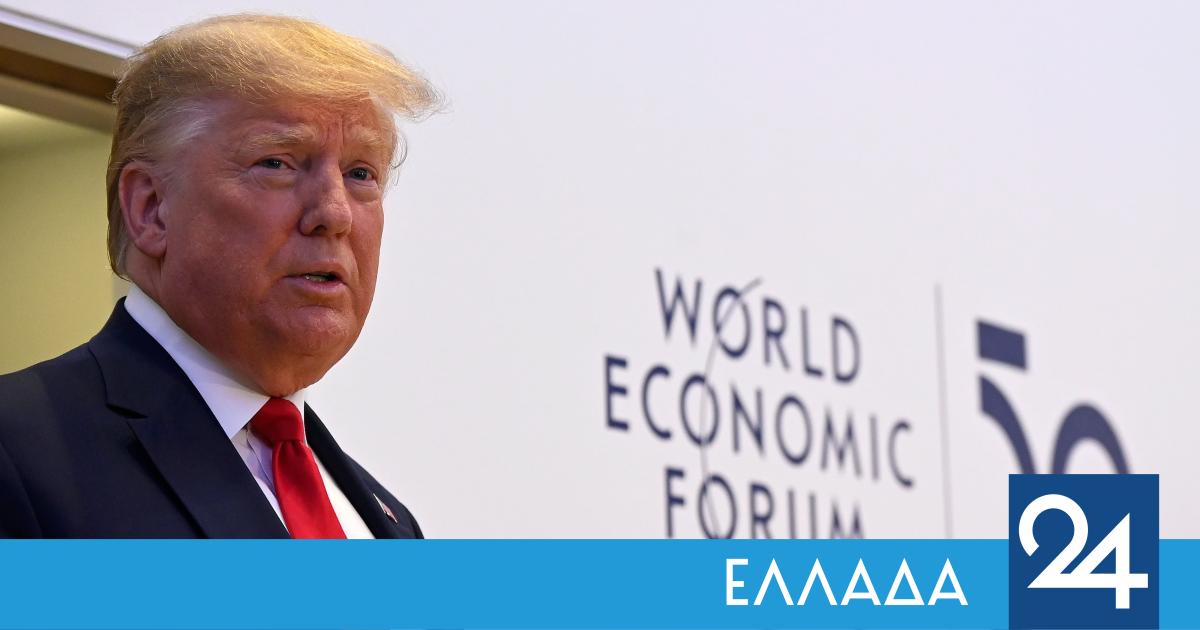
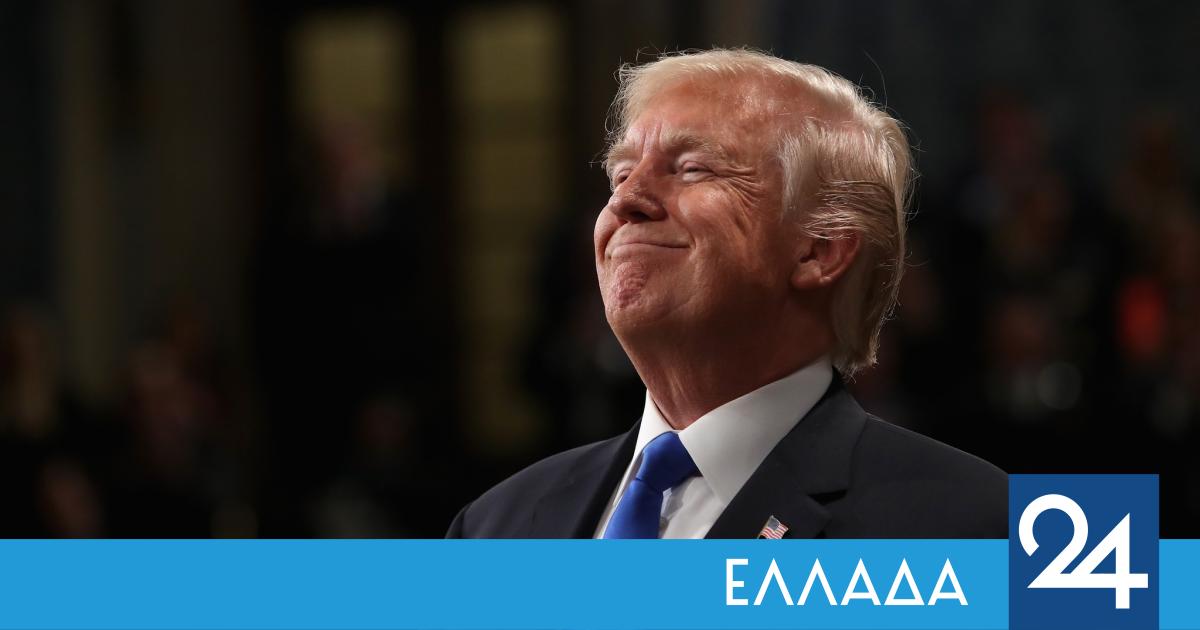
“The agreement with the Islamic Republic of Iran has now been finalized,” said U.S. President Donald Trump via Truth Social, a few minutes after the announcement by Pakistani Prime Minister Shahbaz Sharif via X that an agreement had been “reached.”
“I approve the full opening of the Strait of Hormuz without transit fees and, at the same time, the immediate lifting of the U.S. naval blockade. Ships of the world, start your engines. Let the oil flow!” added the U.S. president, who nevertheless clarified that the strategically important maritime artery would reopen “as soon as the agreement is signed,” which is expected to take place on Friday, June 19, in order to allow time “for the removal (the maritime) mines” in the area.
The announcement that an agreement had been reached triggered a drop in oil prices, which had surged after the war broke out in late February and the strait was closed, through which, under normal circumstances, one-fifth of the hydrocarbons consumed globally pass.
The agreement between the two governments provides for “the immediate end of the war and military operations on various fronts, including Lebanon,” Deputy Foreign Minister Kazem Gharibabadi, told Iranian state television.
“Negotiations will begin within 60 days with a view to concluding a final agreement,” Mr. Garibabadi added, noting that Tehran continues to view “distrust” toward the U.S.. He mentioned four issues that will be on the table: “the lifting of all sanctions against the Islamic Republic of Iran, whether unilateral primary or secondary; the nuclear energy program; the reconstruction” and “economic development” of Iran; and “the creation of a monitoring mechanism” that will guarantee the implementation of the commitments to be undertaken.
The Iranian news agency MEHR published a text it presented as the “memorandum of understanding,” the 14-point agreement reached by the U.S. and Iran: provides, among other things, for “the release of $24 billion that has been frozen (abroad) during the 60-day negotiation period” that will begin after the signing, “half of which “will be made available to Iran before the start of negotiations,” according to the text already reported by MEHR the day before yesterday, Saturday, though it has not been officially confirmed.
The signing ceremony for the agreement will take place on Friday, June 19th in Geneva, Pakistani Prime Minister Sharif announced. U.S.announced that he intends to attend, adding that the presence of U.S. President Trump is “likely.”
UN Secretary-General Antonio Guterres welcomed the agreement, “a crucial step toward a peaceful resolution of the conflict,” as he emphasized, according to a press release issued by his spokesperson, Stéphane Dujarric.
Iran “imposed its divine and iron will on the American and Zionist enemies,” “humiliated” them, and “the enemy had no choice but to accept defeat and surrender,” the Iranian Army General Staff claimed, according to state television.
Shortly before the agreement was announced, Iran’s Supreme National Security Council warned via X that there would be “immediate” retaliation for an Israeli airstrike that killed three people in a southern suburb of Beirut, a stronghold of Lebanon’s Shiite Hezbollah movement, which is aligned with Tehran.
“Enraged”
U.S. President Trump stated earlier via Truth Social that Israel’s raid “should not have happened, especially on this special day”—- yesterday he celebrated his 80th birthday.
He stated “outraged” on the news website Axios, emphasizing that he criticized Israeli Prime Minister Benjamin Netanyahu for the blow: “He has absolutely no f***ing judgment, I told him so”.
Israeli authorities, facing with growing unease the prospect of a compromise that would not meet their demands regarding Iran, the sworn enemy of the Jewish state, countered that ina Hezbollah drone attack against Israeli territory.
Under pressure in his country to end the highly unpopular war, which is also shaking the global economy, Donald Trump is expected to discuss the matter with other leaders of G7 at the summit to be held in Evian, France.
“The aim will be to see the consequences of this agreement, support for Lebanon, the permanent reopening of the Strait of Hormuz, and obviously the conclusion of an agreement on Iran’s nuclear energy program and ballistic missile program,” noted French President Emmanuel Macron in a video he posted on Instagram after arriving in the city, on the shores of Lake Geneva, shortly after the agreement was announced.
In a joint statement, the governments of Britain, France, Germany, and Italy——a group known as E4—declared their willingness to lift certain “sanctions in exchange for clear and verifiable measures on Iran’s part regarding its nuclear energy program.”
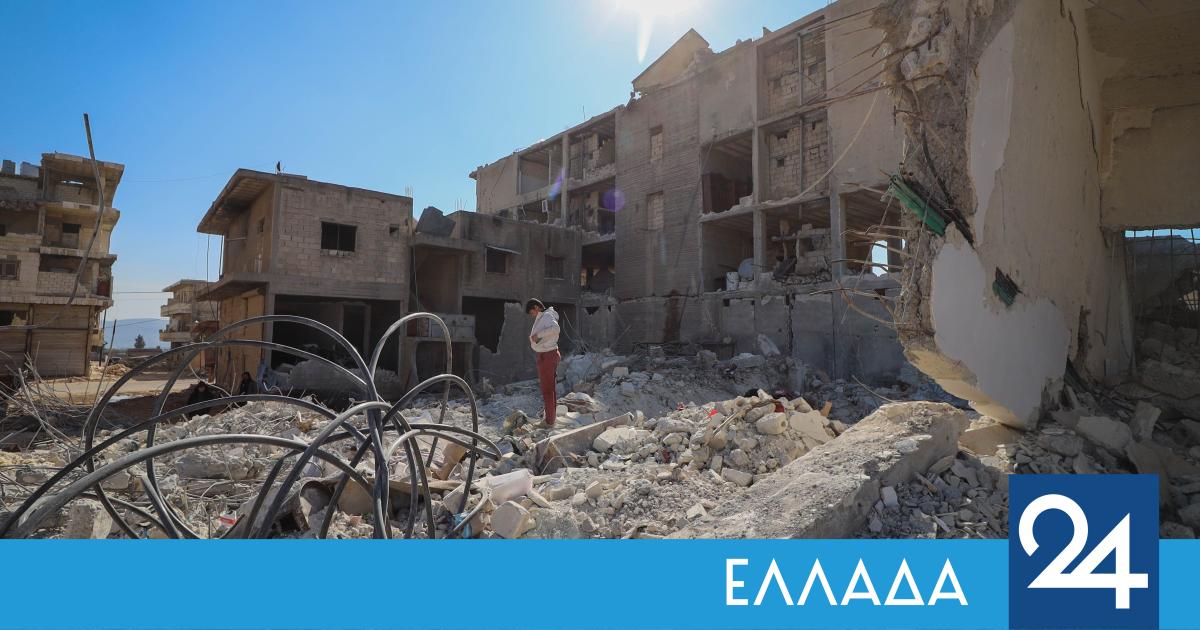
The war, which broke out on February 28th February, with intense bombing by the U.S. and Israel against the Islamic Republic, set the Middle East ablaze and claimed the lives of thousands of people, the vast majority of them in Iran and Lebanon.