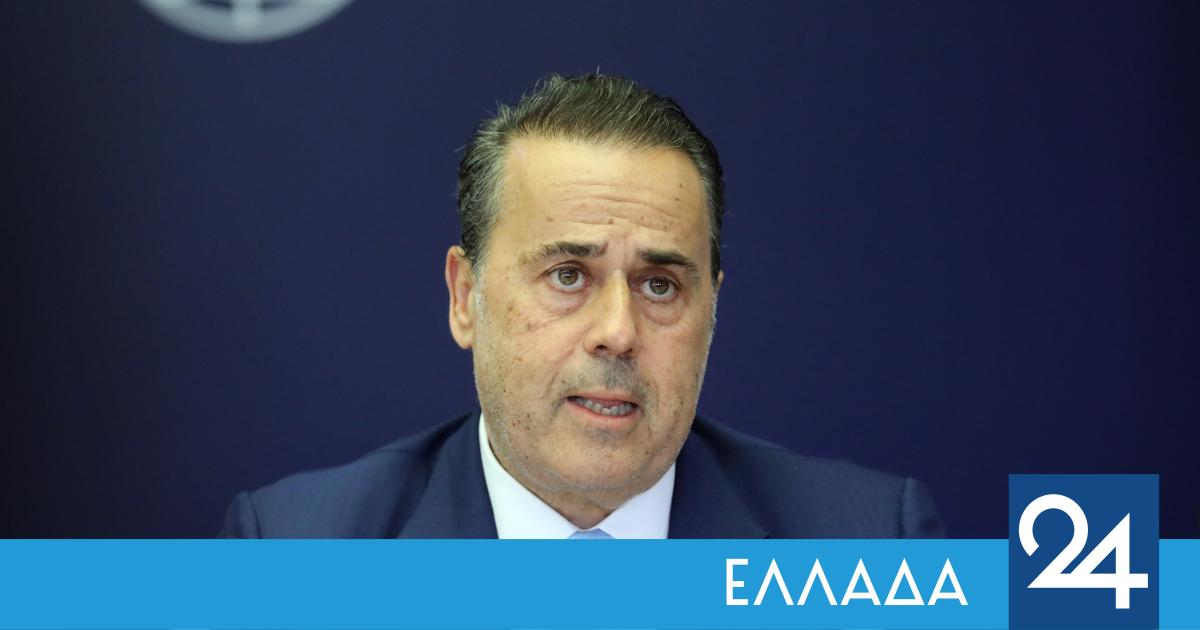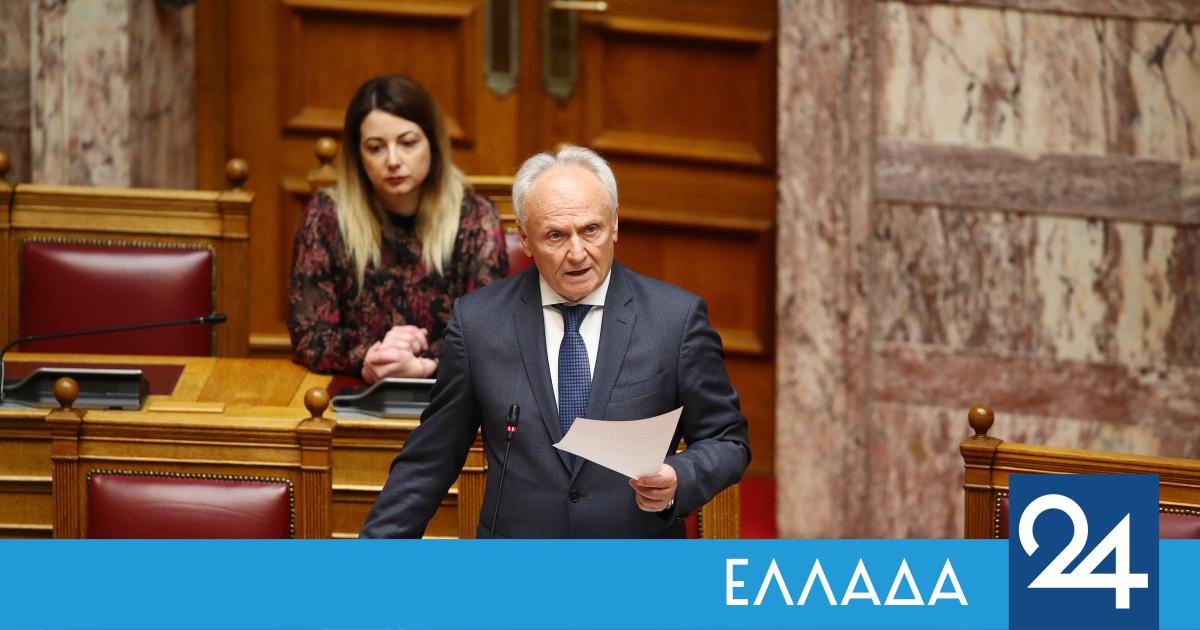
The Deputy Minister of Rural Development and Food, Yannis Andrianos, delivered opening remarks at the event titled “Food Costs and Food Security in Greece,” organized by the European Public Law Organization and the Institute for Sustainable Development, as part of the European FOODGaP program.
The Deputy Minister emphasized that food costs and food security are issues that directly affect the daily lives of every household, the sustainability of primary production, and the resilience of the country and society as a whole.
As he noted, food insecurity is linked both to households’ difficulty in accessing a high-quality, healthy, and nutritious food, as well as with the pressure producers face from rising costs of energy, animal feed, fertilizers, transportation, and labor.
“To talk about affordable prices, we must also talk about fair income for producers. We cannot talk about food security without resilient domestic production, care for the environment, public health, and the development of local communities,” he noted.
Mr. Andrianos emphasized that food security is now high on the European agenda, as demonstrated at the recent Council of European Union Agriculture Ministers, where the conditions enabling producers to continue farming in a sustainable and competitive manner were discussed.
He made special mention of the need to ensure affordable production inputs, particularly fertilizers, as well as the need for the transition to more sustainable solutions to be carried out realistically, in collaboration with and for the benefit of the producer.
At the same time, Mr. Andrianos emphasized that Greece supports an open, outward-looking, and competitive Europe, but with trade agreements that ensure conditions of fairness, balance, and genuine reciprocity, so that European and Greek producers do not face unfair competition from third-country products manufactured under lower standards.
Referring to the actions of the Ministry of Rural Development and Food, he stated that, through the Strategic Plan for the Common Agricultural Policy 2023-2027, investments are supported to reduce production costs, modernize farms, adopt new technologies, promote smart farming, and make more efficient use of available resources.
He also placed particular emphasis on improving the farmer’s position in the value chain, on home-based production, small-scale processing, vertical integration of production, the promotion of high-value-added products, and short supply chains.
In closing, Mr. Andrianos highlighted the critical role of municipalities and regions in issues such as school meals, sustainable public procurement, social food services, farmers’ markets, reducing food waste, redistributing surplus food, and linking tourism with local production.
“Sustainable and resilient food systems are built through collaboration, trust, and honesty. What is needed is a new production model that will ensure affordable, high-quality food for citizens, a decent income for producers, less waste, a smaller environmental footprint, and greater resilience to crises,” he concluded.