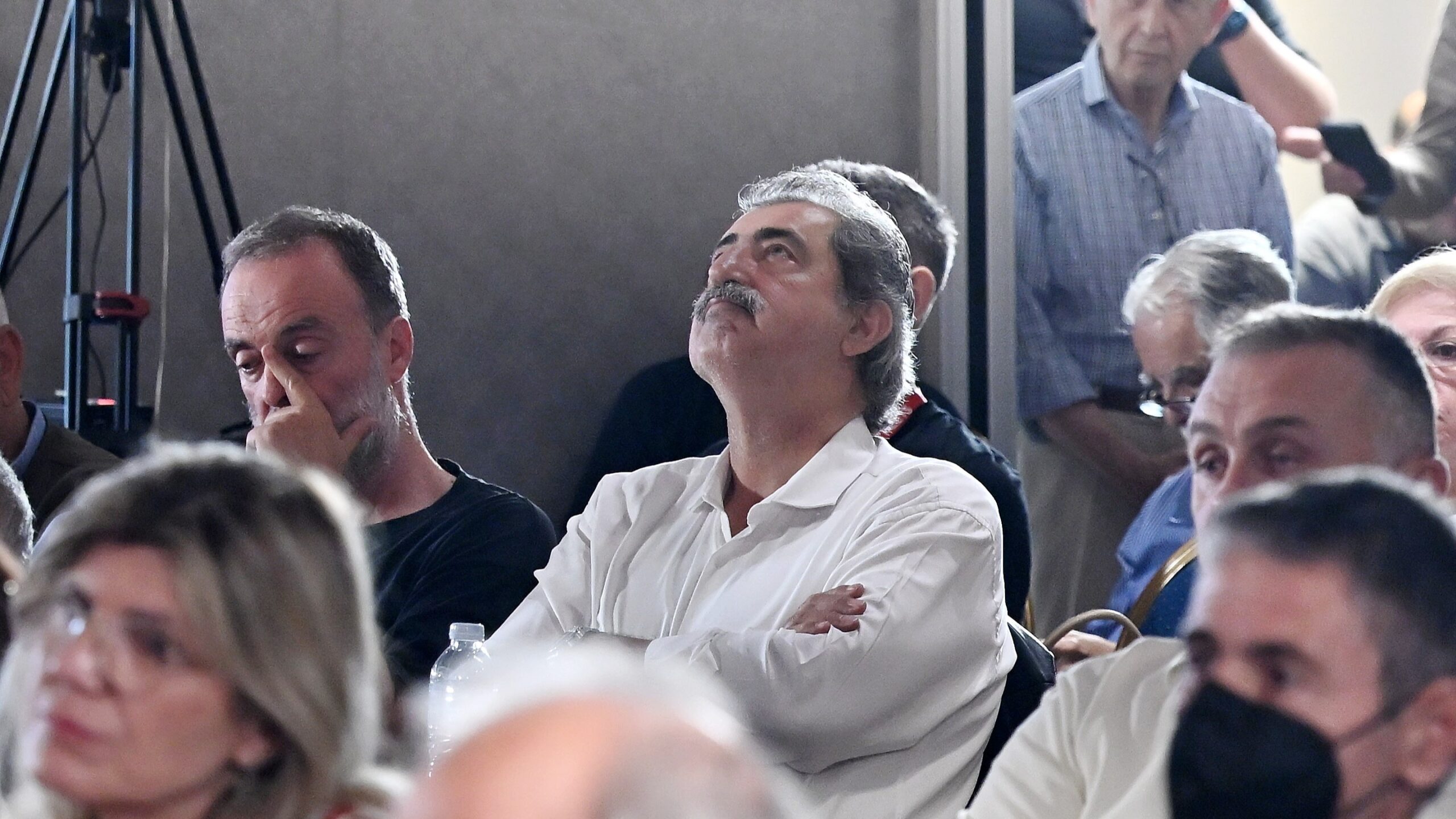
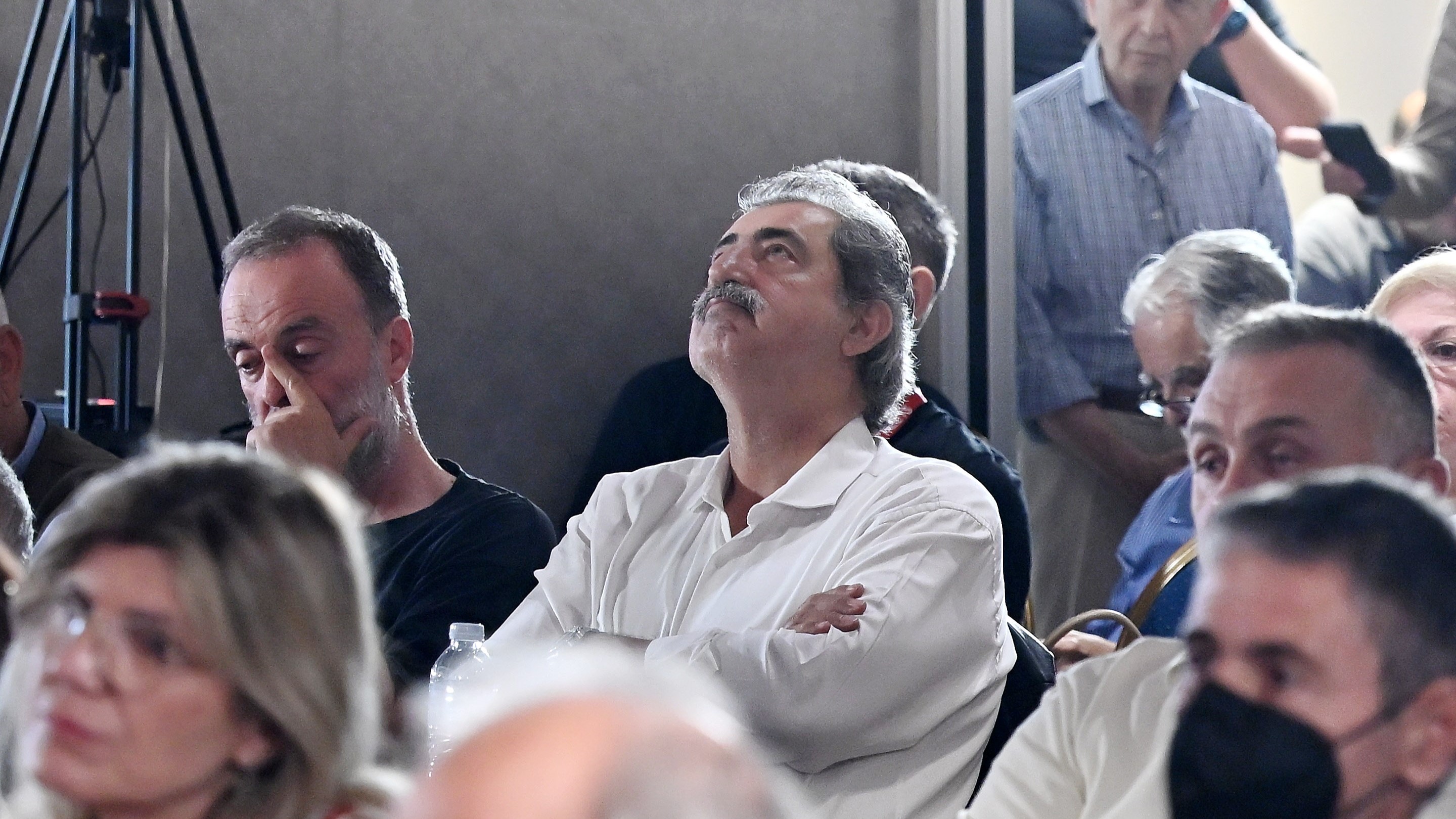
The crucial dilemma for SYRIZA-PS was posed by party president Socrates Famellos, speaking at the Central Committee of SYRIZA: “Are we for or against Alexis Tsipras’ project?” He then gave his own answer: “On this question, we take responsibility and leave no room for ‘plan B’. The answer is next door, next door as the progressive citizens want. Next door as is the left-wing progressive way of thinking. He called on his comrades to “decide today that we stand by Alexis Tsipras’ initiative, we support it, we do not see it as antagonistic but as a partnership.”
Then he explained: “I invite you to work for this option. To work and participate in a dynamic, broad convergence of broader progressive and democratic forces and collectives that will be expressed in the next parliamentary elections. Our goal and my commitment is that this broad reconstitution and coalescence of the progressive space, which is now underway, should also express the historical political continuity of the legacy of SYRIZA-PS, the radical Left, the Renewal Left and the Progressive Alliance and the government of the Left. And through our historical continuity and our participation in the political solution, we also give a clear negative answer to scenarios of the dissolution of our party.”
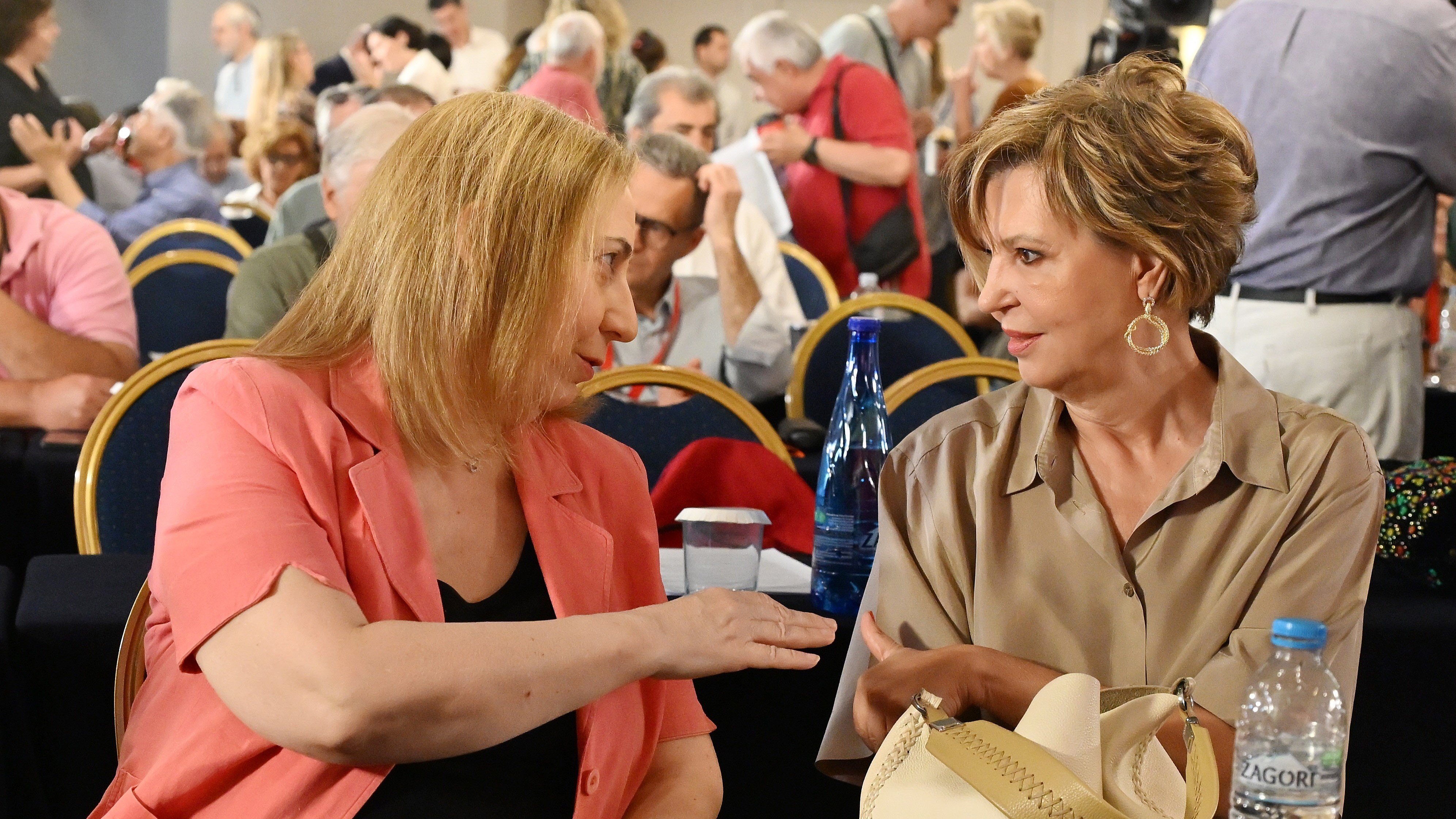
“The departure of Alexis Tsipras from SYRIZA-PS and the establishment of a new party undoubtedly created new facts and a tectonic change in the progressive space. The establishment of the Hellenic Leftist Coalition has created great momentum and is changing the correlations, causing the interest of citizens in progressive politics. It is a positive development, which we are in no way treating as a confrontation, which would be a strategic mistake. How could we, after all, see an initiative that can strengthen the dynamics of the progressive space and the prospect of defeating the right and giving progressive governance as a counterproductive one?”
The SYRIZA-PS chairman criticised PASOK for “choosing the autonomous descent, ignoring the social demand, which is a historical mistake”, and the New Left, which “unjustifiably did not accept the proposal to join forces inside and outside parliament”.
Finally, he was harshly critical of the government, pointing out: “Every Greek man and woman is experiencing a grim daily life with the corrupt, dangerous and callous Mitsotakis government. Very low incomes, low purchasing power, precision and obscenity, the housing crisis, the desolation of the countryside, deprive hope. But as incapable as the Mitsotakis government is of defending the interests of the many, it is “excellent” at guaranteeing the billions of cartel super-profits, feeding the blue grasshoppers, serving corruption and working for its powerful friends. A government that has created a society of working poor, with rising unemployment, widening worker precariousness, public health and education continually devalued and small business owners struggling to make ends meet. The Mitsotakis regime, operating with mafia and parastatal practices.”