Greece recorded a threefold surplus in its electricity trade balance in the first quarter of the year compared with the same period in 2025, according to ELSTAT data, while exports quadrupled in terms of energy volume.
The over-supply of electricity on which exports rely is – among other things – the reason why top officials at the Environment and Energy Ministry express cautious optimism about the price path during the summer when increased demand is expected.
In particular:
According to ELSTAT, the value of electricity exports in the first quarter of 2026 stood at 459 million compared to 343 million last year, while imports this year were limited to 118.7 million from 232.3 million last year. As a result, the trade surplus in the electricity sector this year stood at EUR 340 million compared to EUR 111 million last year, a threefold increase. Despite the fact that a significant volume of exports takes place during midday hours when there is a surplus of production from photovoltaic plants and prices on the wholesale market are zero, the benefit to the economy from electricity exports is particularly significant as export activity extends throughout the 24-hour period. Competent sources of the Ministry of Environment and Energy point out that Greece is exporting to Bulgaria almost all hours of the day (96 % of the hours in May) and exports are even higher in the evening hours than at midday when photovoltaic production peaks. The benefit is even greater if one considers that in 2019 the electricity balance was in deficit at the expense of our country by 400 million euros.
In terms of volume, net exports from the Greek system, according to Green Tank’s analyses, quadrupled to 3442 gigawatt-hours this year from 858 last year. It is indicative that the net exports for the quarter already exceeded the total net exports for 2025, which was 3,010 GWh.
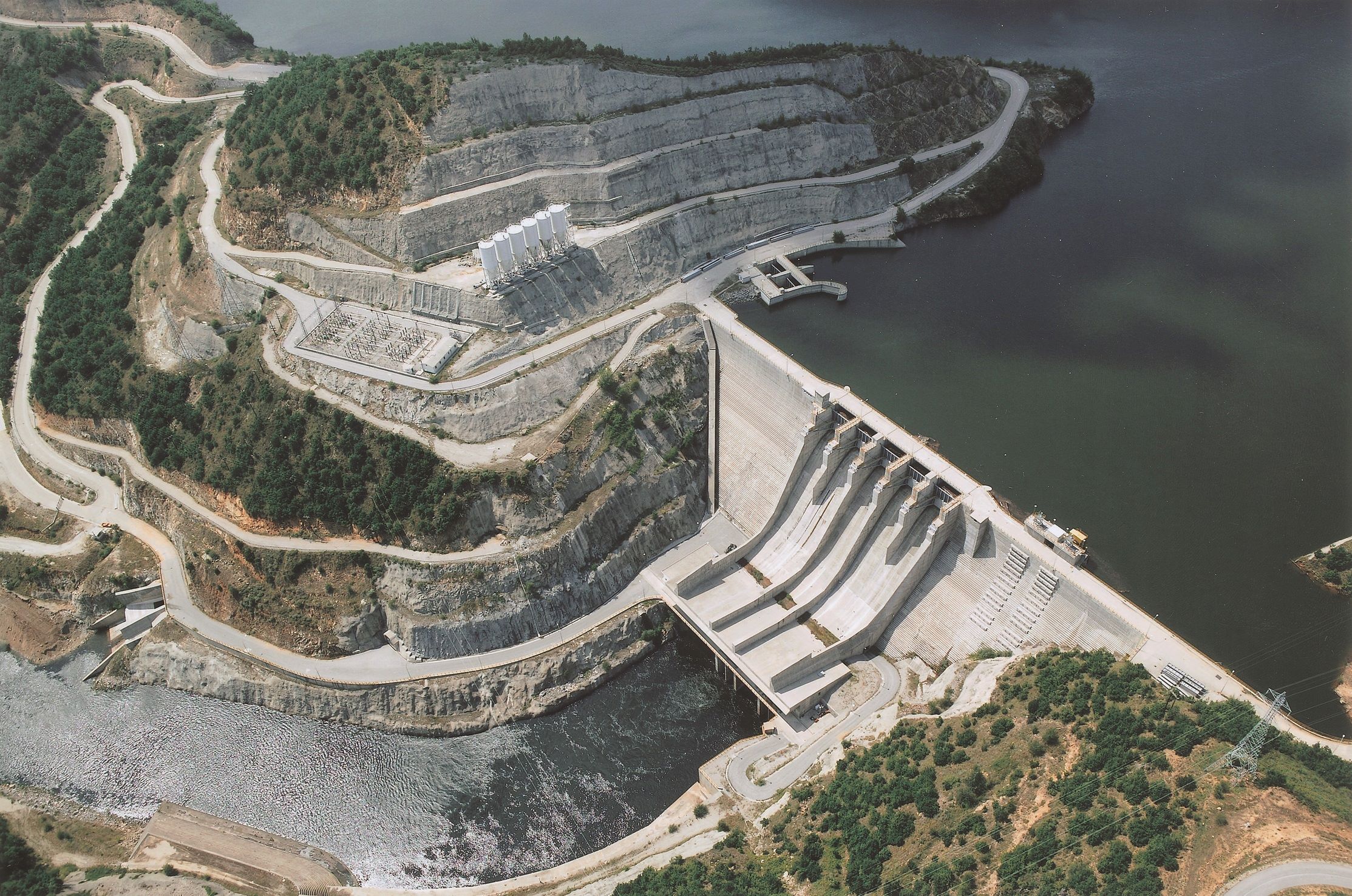
The increase in exports is primarily due to the growth of renewables, which have multiplied their contribution to the energy mix. In addition to photovoltaics, which increased its production by 31.4% compared to 2025, in the 2026 quarter exports were further supported by increased wind generation (+37.2% compared to 2025), and hydro (+282%) as snow and rainfall filled reservoirs.
>
With regard to the evolution of prices during the summer period, the same Ministry of Environment and Natural Resources agents express cautious optimism for the following reasons:
-Firstly, so far there is no particular impact on wholesale prices, which in April were at last year’s levels (89 euros per megawatt hour). In May they also hover at 89 euros, down from 81.9 last year. Another positive aspect is that during the hours when photovoltaic production is off, prices on the stock exchange do not soar.
-Second, the first batteries have been commissioned which are expected to be further deployed in the summer. Already 150 megawatts are participating in the market and are expected to reach 500-600 megawatts in the coming weeks. The batteries are expected both to limit the cuts in “green” energy that are necessarily made when renewable energy production exceeds domestic demand together with exports and to limit the use of gas plants during the evening peak hours when PV production is lost. According to Green Tank, RES curtailments for the quarter were 410 GWh, double last year’s, and as the agency’s Chief Policy Analyst Nikos Mantzaris points out to APE, by the end of May they have further increased to 1.35 terawatt hours.
-Third, in the summer when demand increases, the production of photovoltaic panels increases in parallel. So the pressure on prices is maintained.
-Fourth, contrary to the picture that existed in the past, Greece has lower prices than the countries in the region (Bulgaria, Romania, Italy). This is, moreover, the reason for the increase in exports, with which the capacity of the interconnections is being exhausted and thus in practice act as a “shield” for imports of more expensive energy from SE Europe.
-And fifth, there are very high reserves in hydroelectricity thus limiting the need for gas plants to participate in the daily load.