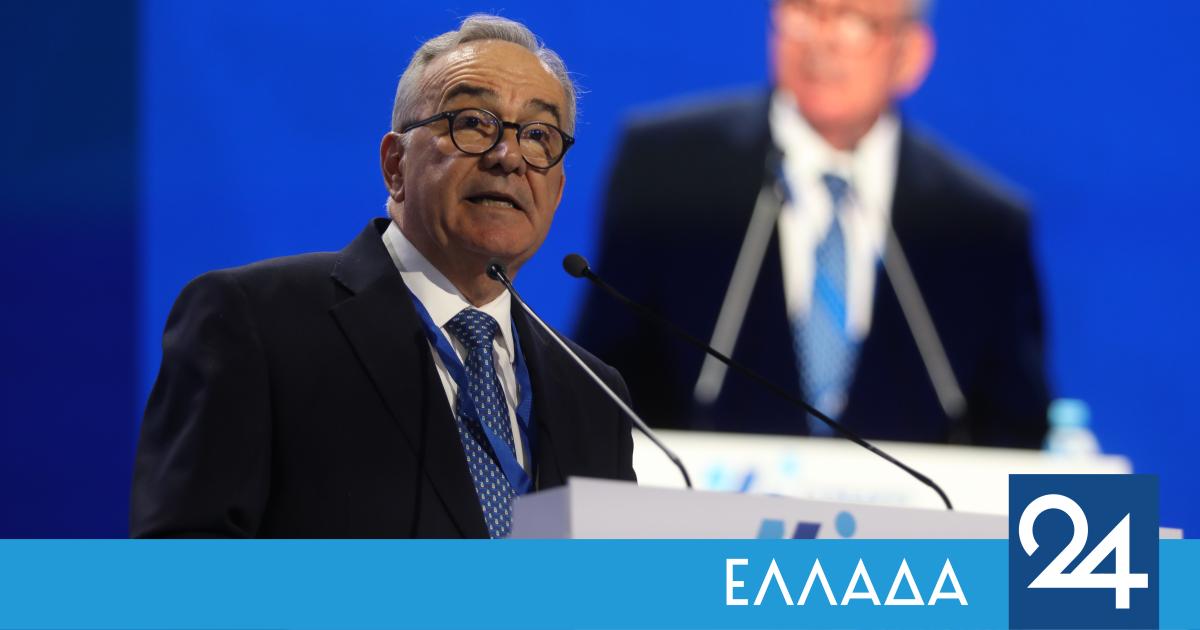
Deputy Finance Minister Nikos Papathanasis said 12,000 people have signed contracts for My House 2, and announced the launch of a new home renovation programme unlike any other in Europe.
Nikos Papathanasis referred to the success of the House of My House II programme, telling ERT that more than 14,000 beneficiaries have been approved and 12,000 of them have already signed contracts for the loan they will receive.
He also revealed the government will bring in a new home renovation programme, which will be “the first of its kind in Europe“, as it is not limited to energy upgrades only, but also covers aesthetic renovation interventions.
As the minister said, the programme concerns houses built up to 1990, which remain closed for at least two years, with the control being done through electricity consumption. The subsidy ceiling is set at 300 euros per square metre, while the income limit is set at 36,000 euros.
The subsidy may reach up to 95%, with higher rates for vulnerable groups such as people with disabilities and residents of mountainous areas.
The process will evolve gradually, starting with closed properties and extending to owner-occupied housing in a subsequent phase. The total budget amounts to €500 million and is estimated to cover around 25,000 dwellings.
Nikos Papathanasis stressed that the eligibility platform is expected to open by the end of May, while applications will be accompanied by an Energy Performance Certificate and building identification data. The final integration phase is expected to start in September, with provision for faster payments to contractors through a special account.
100% absorption for the Recovery Fund
According to the Minister, the government has managed the Recovery Fund in a proper manner as there is 100% absorption for the €18 billion given to businesses.
As he explained, the resources were specific and not unlimited, which explains why several businesses, despite having prepared files and had contacts with banks, ended up being left out of the programme. “We said from the beginning that the funding would be given until the resources were exhausted,” he said, adding that the selection of beneficiaries was made by banking institutions and not by the state.