Kyranaki’s announcements on tourism, taxis and electrification, new measures and flexibility in transport.
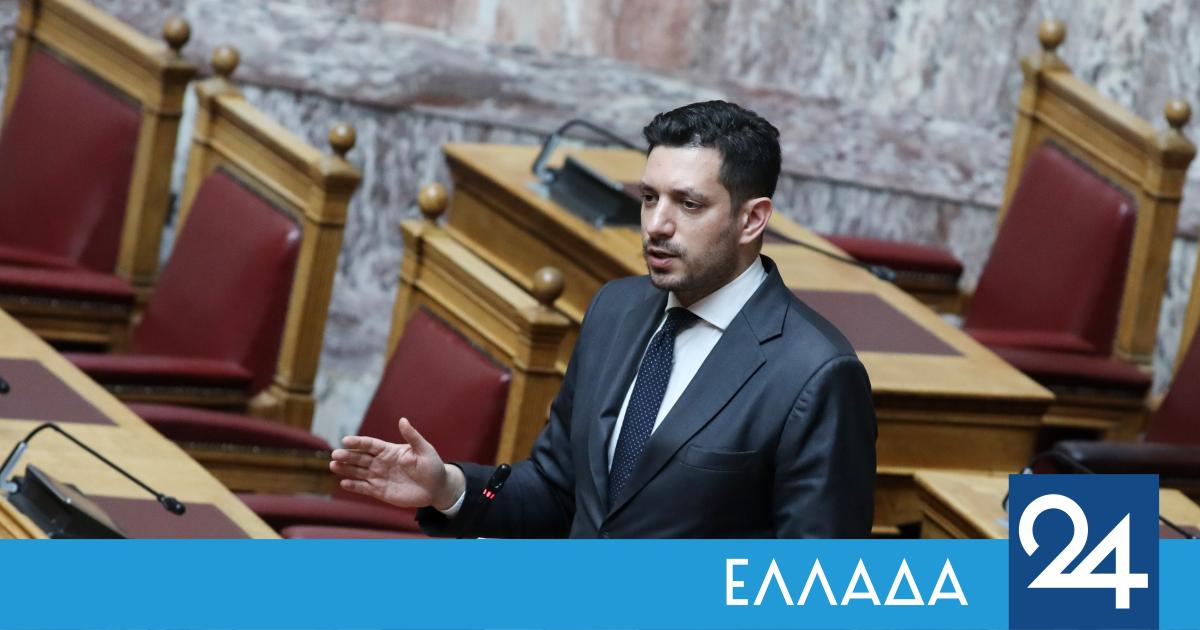
The need for transport to adapt to the growing pressures of tourism was highlighted by Deputy Minister of Infrastructure and Transport, Konstantinos Kyranakis, during the first meeting of the relevant parliamentary committee on the new bill to modernise the sector.
The minister, declaring himself open to further improvements after listening to stakeholders, focused mainly on issues related to taxis and HICs, categorically rejecting claims about the lack of infrastructure for electromobility. “It is a myth that there is no electromobility infrastructure in Greece,” he said, noting that 10 have already been exceeded.000 public charging points across the country, of which 3,200 are in Attica, with many of them being fast chargers.
The myth is that the number of public charging points has already exceeded 10,000.
Kyranakis described the new framework for electrification as more flexible, compared to previous programmes that – he said – “didn’t go well” as subsidies were given after the fact. Now, he stressed: “the electrification obligor gets the subsidy first”, easing the transition.
At the same time, he noted that the prices of electric vehicles have already come down and are expected to come down further, estimating that by the end of 2026 the transition – especially for taxis – will proceed smoothly. Indeed, he stressed that at current rates (below 1%), a full transition would take decades, dismissing talk of “forced change”.
The minister made special reference to the explosive growth of tourism, stressing that existing taxi licences in high-demand areas – such as islands and urban centres – are not enough: “If […] they are not enough to transport the country’s visitors, […] we cannot leave it like that. We can’t leave it like that.”
We can’t leave it like that.
In this context, an enabling provision is foreseen that will allow the ministry to dynamically adapt decisions depending on the circumstances – whether in times of increased demand or crises affecting tourism.
Finally, Kyranakis stressed that any intervention will be done with respect to those who have already invested in the sector: “We always give priority to those who have invested to buy a taxi licence […] and we respect the investment they have made in the past.”