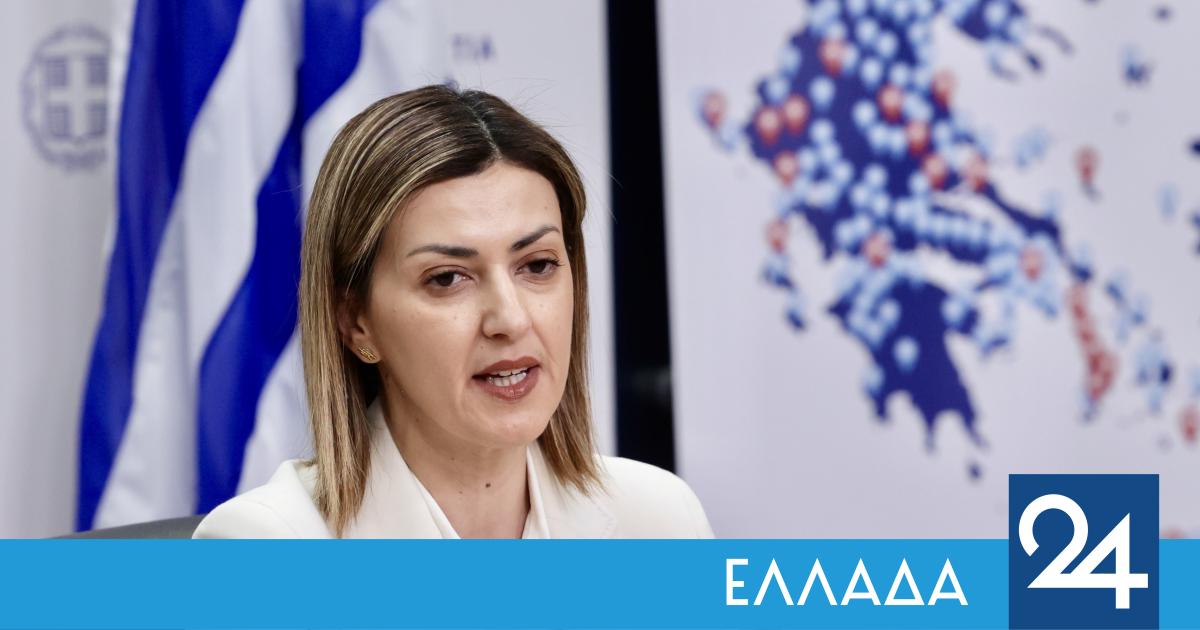
In special seminars of the World Health Organization, organized today in Athens by the WHO Office in Greece, on the theme “Workshops on the integration of Mental Health into Primary Health Care”, was attended by the Deputy Minister of Health, Irini Agapidaki, as part of the project implemented by the Ministry of Health for the upgrading of Primary Health Care through the Recovery and Resilience Fund (RDF).
“Strengthening the capacity of primary health care professionals is at the core of a strong health system and is a key priority of the work we are implementing in partnership with the World Health Organization and the Health Regions. Our aim is to share knowledge and upgrade the skills of human resources,” said Ms Agapidaki.
The Deputy Minister of Health stressed that the project focuses on prevention and early treatment of mental health problems, which affect both young and older citizens.
In addition, it highlighted that the integration of mental health into primary health care rests on three key pillars:
α) The training of health and mental health professionals so that they can identify problems early and provide free psychotherapy and counselling services.
b) Better coordination between Primary Care and Mental Health services to avoid the loss of patients within the health system.
c) The formulation of standardised and operational procedures that ensure the effective implementation of the two previous pillars.
Referring to mental health, she noted that the Ministry of Health and the government are placing a strong emphasis on prevention and care, with a focus on children, adolescents and adults, through partnerships with national and international agencies.
As Ms Agapidaki stressed, universal health coverage requires equal access for all citizens to quality health services, with an emphasis on prevention and mental health. In this context, she stressed the need to transform Primary Health Care towards a more active, community-based model of intervention, noting that “it is imperative that we get out of the Health Centres and get closer to the citizens, where they live and where they have a real need.”
“It is very important that we can go to people, both for clinical assessment and medication, as well as for psychotherapy and social support. There are many people who need help but don’t get to services, often because of stigma,” the deputy health minister said, adding that “mental health services are free and are systematically strengthened to make them accessible to all. At the same time, we are investing in training professionals to provide modern, evidence-based services across the country.”
In addition, as he stressed, Mobile Health Teams (MHPs) are a key tool of Primary Health Care, as they allow the provision of services even to the most remote populations. “Our goal is a Primary Health Care that operates in networks of local services, with an active presence in the community, so that no one is left without access to care,” she noted, also referring to the role of Health Regions in the planning and integration of mental health services.
Finally, he stressed that the collaboration with the World Health Organization and related workshops help to highlight good practices and realistic solutions for integrating mental health into primary health care, making use of available tools and guidelines.
It is worth noting that the event was held in the framework of the project “Strengthening the Primary Health Care System in Greece through improving accessibility, quality and sustainability”, which is implemented in collaboration with the World Health Organization and funded by the Recovery and Resilience Fund, aiming to upgrade health services and strengthen community care.
The special seminars were attended by representatives from the 1st, 2nd and 6th Health Regions of the country, confirming their key role in the design and implementation of health policies that respond to the needs of local communities.