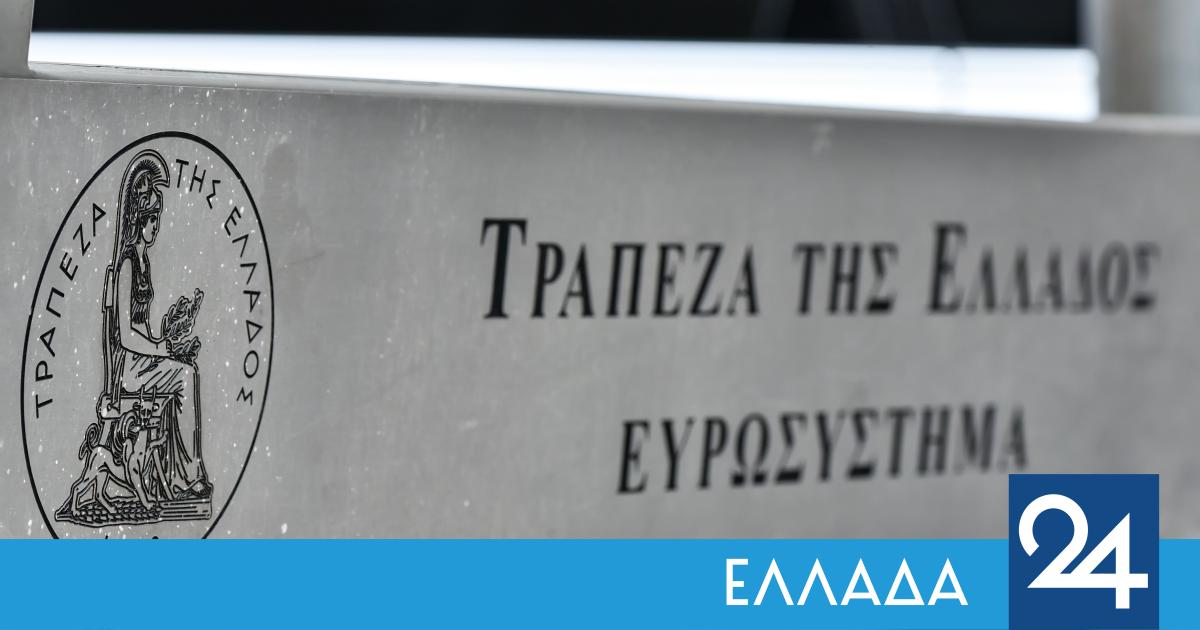
The outlook for Greek banks remains positive as strong fundamentals act as a counterweight to increased uncertainty and exogenous risks, according to the Bank of Greece’s Financial Stability Report released today.
However, as noted, the prolongation of the Middle East conflict for a long period of time could adversely affect the financial situation of businesses and households in Greece, as well as the quality of banks’ portfolios and the achievement of their credit expansion targets. Therefore, further shielding of the financial system is a priority and vigilance is required from all stakeholders.
As regards developments in the past year, the report notes that Greek banking groups recorded a profit after tax and discontinued operations of €4.7 billion, compared to a profit of €4.2 billion in 2024. This development was driven by an increase in income from non-interest-bearing operations and a reduction in provisions for credit risk. Negative contributions were made by a decrease in income from financial operations and an increase in operating expenses, mainly due to an increase in administrative expenses.
The capital adequacy of Greek banking groups remained at a satisfactory level. Specifically, the Common Equity Tier 1 ratio (CET1 ratio) on a consolidated basis decreased to 15.3% in December 2025, from 16% in December 2024, and the Total Capital Ratio (TCR) declined marginally to 19.7%, from 19.8% in December 2024.
The quality of credit institutions’ loan portfolio improved. In December 2025, the ratio of non-performing loans (NPLs) to total loans stood at 3.3% (from 3.8% in December 2024), as credit expansion was combined with a reduction in NPLs. This ratio is the lowest since Greece joined the euro area and has converged significantly with the average of major banks in the Banking Union.