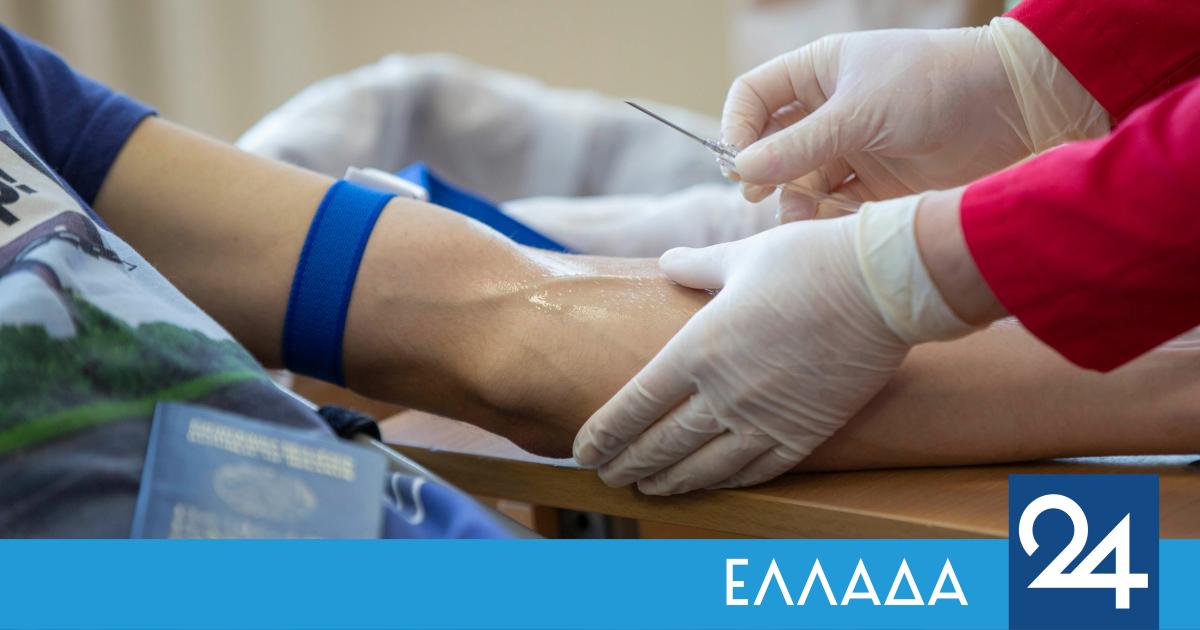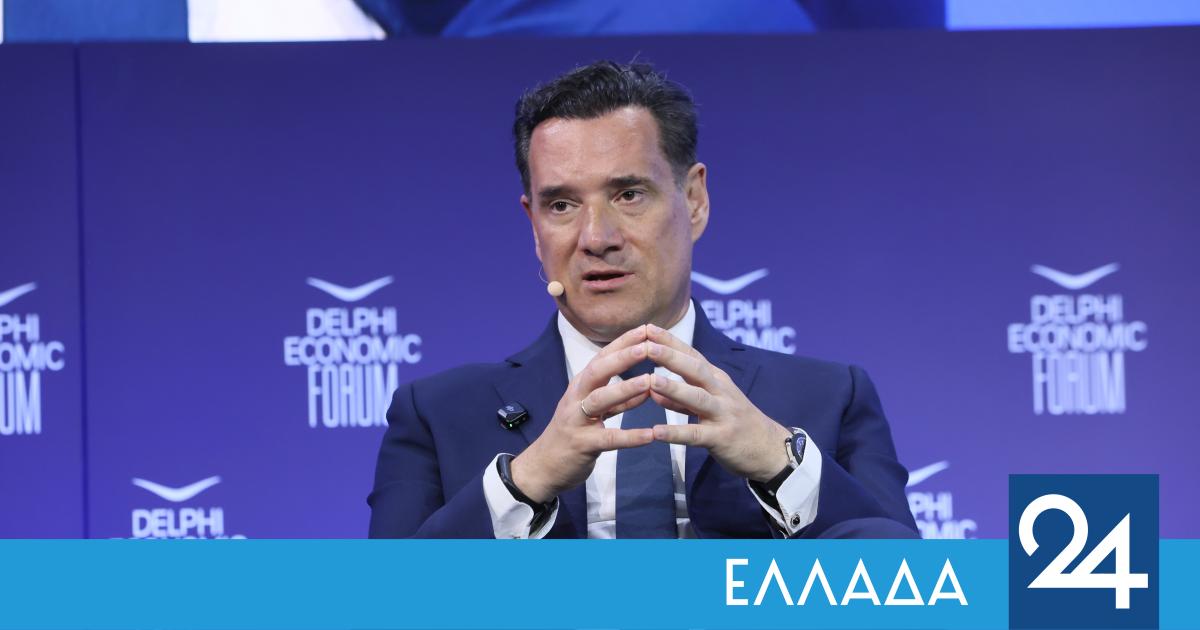
The importance of preventive medicine programmes was highlighted by speakers at a thematic panel at the 11th Delphi Economic Forum, which is being held in Delphi from 22 to 25 April.
In fact, Health Minister Adonis Georgiades announced the continuation of the free preventive digital mammography programme even after the resources from the Recovery and Resilience Fund are exhausted. More specifically, Georgiades said that through the breast cancer programme, 30,000 women were detected at an early stage of the disease and received early treatment.
“Prevent is the largest preventive medicine programme ever carried out in Greece and has given us a huge database from the Electronic Health Record, on which we can build prevention policies,” he said. He added that after an evaluation of available resources, it will be decided which other programmes will continue, while gene testing may be included.
The Health Minister also said that the programme was also educational in nature, as participation was limited at the beginning, but over time it was being utilised by more and more beneficiaries.
Theodora Psaltopoulou, Professor of Epidemiology and Preventive Medicine at the University of Athens, stressed that the countries of the European South are claiming funding for more preventive medicine programmes, while she described “Prevent” as a “revolution” because it was implemented on a mass scale, while maintaining an individualised character. He added that, in addition to funding, systematic planning was needed. He noted that many preventive medicine programmes in the EU have been evaluated and then adapted to reduce morbidity, especially in cancers and cardiovascular diseases.
Ignatios Economides, Professor of Cardiology, Director of Echocardiography and Preventive Cardiology Laboratory of the 2nd Cardiology Clinic of the National and Kapodistrian University of Athens at Attikon Hospital, said the hospital is participating in the anti-obesity programme with a high attendance and a wide range of tests. At the same time, he suggested that a “Prevent” programme be established for smoking, noting that the hospital’s scientific team has special studies on smoking cessation and improving heart function.
Nikoletta Halioti, CFO Greece & BGIN (BeNeLux, Greece, Israel, Scandinavian countries) of Medtronic Hellas SA, referring to the limited funds available in all countries, stressed that “preventive programs should be based on whether the patient lives better and has fewer readmissions, over a ten-year horizon, and not pay any reimbursement in a lump sum at the beginning. If that is not there, the reimbursement is discontinued.” He cited an example of this multi-year model being implemented at a cardiology centre in Finland, which did not reimburse a patient for an expensive heart valve as his health progression was not as expected.
Filippa Michalis, Chairman of the Board and CEO of NN Hellas, pointed out: “If we really want a stronger European health system, we need to move from managing illness to preventing and maintaining good health. In this transition, private insurance has a distinct and important role: to act as a complementary player, directing resources to prevention and early diagnosis and using technology and data responsibly. The challenge is for the public and private sectors to work not only in parallel but also in coordination, with clear roles and real value for the citizen.”
Martina Branconi, BAT’s Global Head of Regulatory Development in the UK, highlighted how Greece is a pioneer in legislating restrictions on minors’ access to nicotine. He noted, however, that despite restrictions on minors’ access to tobacco, there are many alternative nicotine products on the market. She said that there are products with low nicotine content, which, in her view, could be marketed under strict restrictions rather than banned completely, as such a measure, in her experience, yields better results.