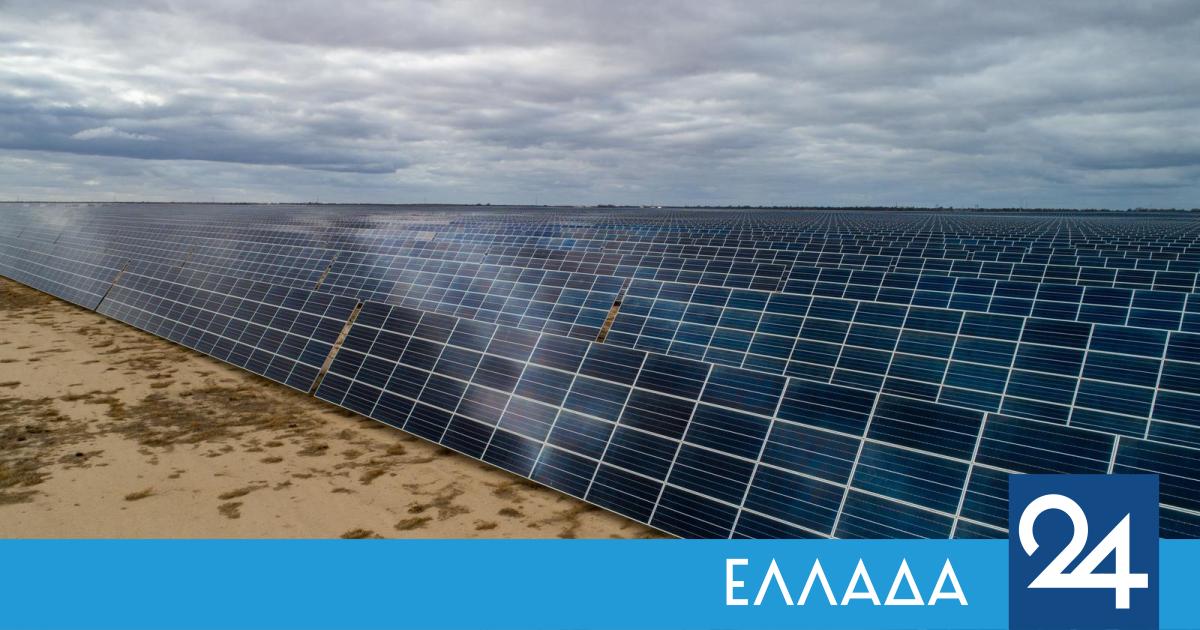
The construction of the PPC Group’s photovoltaic power plants in Amyndeon and Ptolemaida has been completed, it was announced today. Utilizing the land of the former lignite mines, the Group proceeded with the construction of photovoltaic plants with a total capacity of 2,130 MW, capable of producing 3,150 GWh per year, which corresponds to almost 6% of annual electricity consumption, and ensuring the annual needs of almost 750,000 households. The operation of these photovoltaic plants will prevent the emission of over 1,500,000 tn of CO2 annually.
.
In parallel, PPC Renewables, a wholly owned subsidiary of PPC Group, completed the construction of two electrochemical energy storage stations in Ptolemaida and Meliti and is proceeding with the construction of the storage station in Amyndeon. Similarly, PPC has already secured the necessary permits from the Regulatory Authority for the two pumped storage plants in Kardia and South Field.
Deputy CEO of PPC Group, Konstantinos Mavros, said that “in a volatile geopolitical, economic and energy environment, Renewable Energy is the high-value domestic product that ensures the country’s energy independence. The case of Greece is a real case study of success, as since 2019 and in less than seven years, the share of thermal generation has decreased from 67% to 50% and the PPC Group’s contribution to this achievement is crucial. Western Macedonia is becoming the country’s new green energy hub with the largest cluster of photovoltaic projects in Europe, built on the sites of former lignite mines, and storage units that ensure optimal utilization of the energy produced and contribute to the stability of the system.”
As announced by PPC:
The 2,130MW of photovoltaics completed include:
The 550MW “Phoebe” photovoltaic power plant in areas of the Western Macedonia Lignitic Centre (near Pontokomi). The annual electricity production is estimated at 880 GWhe, which can cover the needs of about 196,000 households and prevent the emission of almost 440 kt of CO2 per year. The nominal production of this plant corresponds to 1.8% of the domestic production of the Greek interconnected system.
.
The 940 MW Amyndeon photovoltaic complex in the areas of Rodonas, Filotas, Lakkias and Perdikas in the municipalities of Amyndeon and Eordia in cooperation with RWE. The annual electricity production is estimated at 1,500 GWhe, which can meet the needs of about 298,000 households and prevent the emission of more than 750 kt of CO2 per year.”
The 200 MW Solar Arrow 1 photovoltaic power plant in areas of the Western Macedonia Lignite Centre (near Ptolemaida). The annual electricity production is estimated at 320 GWhe, which can meet the needs of about 71,000 households and prevent the emission of almost 160 kt of CO2 per year.
The “Exochi 7” photovoltaic power plant, with a capacity of 80 MW, in areas of the Western Macedonia Lignite Centre. The annual electricity production is estimated at 122 GWhe, which can meet the needs of about 27000 households and prevent the emission of almost 61 kt of CO2 per year.
The 80 MW “Akrini” photovoltaic power plant near the village of Akrini in the Municipality of Kozani. The annual electricity production is estimated at 122 GWhe, which can meet the needs of about 27,000 households and prevent the emission of almost 61 kt of CO2 per year.
In addition, 10 other smaller photovoltaic plants in the wider area of the old lignite sites generate electricity from the sun, meeting the needs of thousands of households and preventing the emission of thousands of tonnes of CO2 per year.
The PPC also notes that by making the residents of Kozani and Florina prefectures co-participants in this effort, the Group, as it had committed itself during the presentation of its investment plan for Western Macedonia in April 2025, launched on 13 March the Euro5 million bond issue., giving exclusively to the residents the opportunity to participate with PPC in the investments it implements in the region, while enjoying a high and stable return.
Residents have the opportunity to participate until April 17, 2026. The denomination of each bond is Euro100, with a minimum participation of five and a maximum of 250 bonds. The guaranteed annual return is 8%, with the investor’s capital growing by 40% (before tax) over five years.
.
The development and integration of high-power photovoltaic plants into the power system will be supported by electricity storage systems (electrochemical and hydraulic), which absorb the surplus energy produced and deliver it when the demand for electricity is higher than the production from RES, and contribute decisively to the stability of the power system.
So far in Western Macedonia, PPC Renewables has completed the construction of BESS Ptolemaida (near Kardia NPP) and Meliti (near Meliti NPP) with a total installed capacity of 98 MW and a capacity of 196 MWh.
Work is already underway near the Amyndeon NPP on the construction of another electrochemical energy storage plant with a capacity of 50 MW and a capacity of 200 MWh, which means that the plant can deliver electricity to the system for a period of 4 hours. The construction of this station is expected to be completed in the coming months.
At the same time, two major pumped storage projects in the former mining areas of the PPC Group are maturing, having already secured the necessary permits from the Regulatory Authority.
The first pumped-storage project is being developed at the Kardia mine, following the withdrawal of the cooling towers of the old units, and will have a production capacity of 320 MW for eight hours, using the bottom of the old mine as a lower reservoir.
Similarly, at the Nootiou Pediou mine, the Group is planning a pumped storage unit with a capacity of 240 MW for 12 hours, at an investment cost of €310 million.
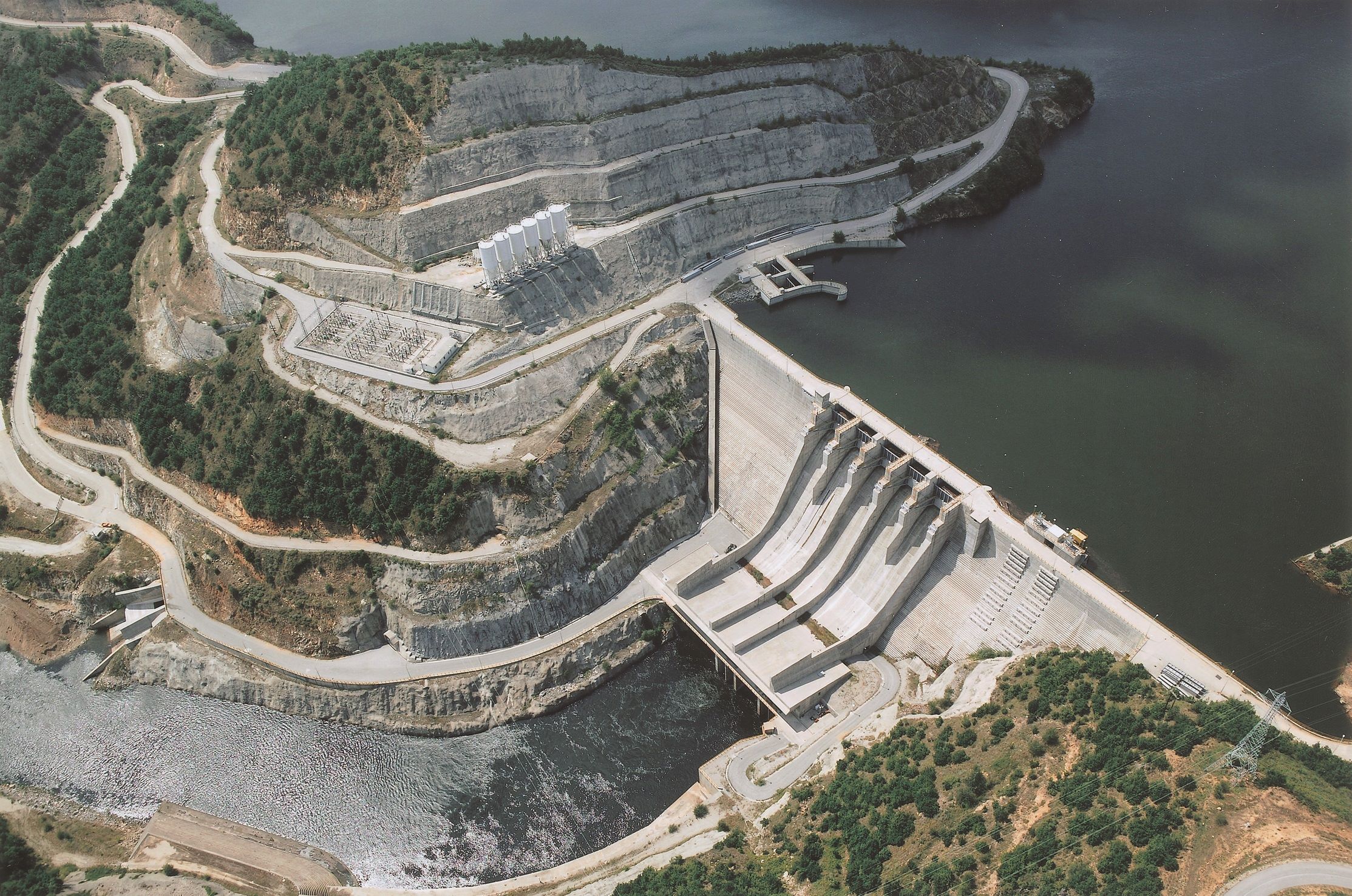
Pumped storage projects are a modern, large-scale energy storage technology that compensate for the stochasticity of renewable energy and contribute to grid stability in a purely green way. A typical pumped storage system includes two water reservoirs – installed at different altitudes – and hydroelectric turbines (turbines), which generate electricity. The electricity is used, when not in use, to pump water from the lower reservoir and transfer it to the reservoir at a higher altitude. There, it is stored as a hydroelectric reserve. When energy demand increases, the water is released from the upper reservoir to the lower reservoir – and by passing through the turbines – generates electricity. In practice, the PPC is utilizing its inactive mines, which are ideal for this use, since there are surface mines with the necessary elevation difference that can be easily filled with water.