Five more Greek satellites were launched today, 30 March, and are now in orbit around the Earth as part of the “National Microsatellite Programme”. These are experimental, research microsatellites of technological demonstration, which will test new space technologies developed in Greece with the aim of strengthening domestic industry.
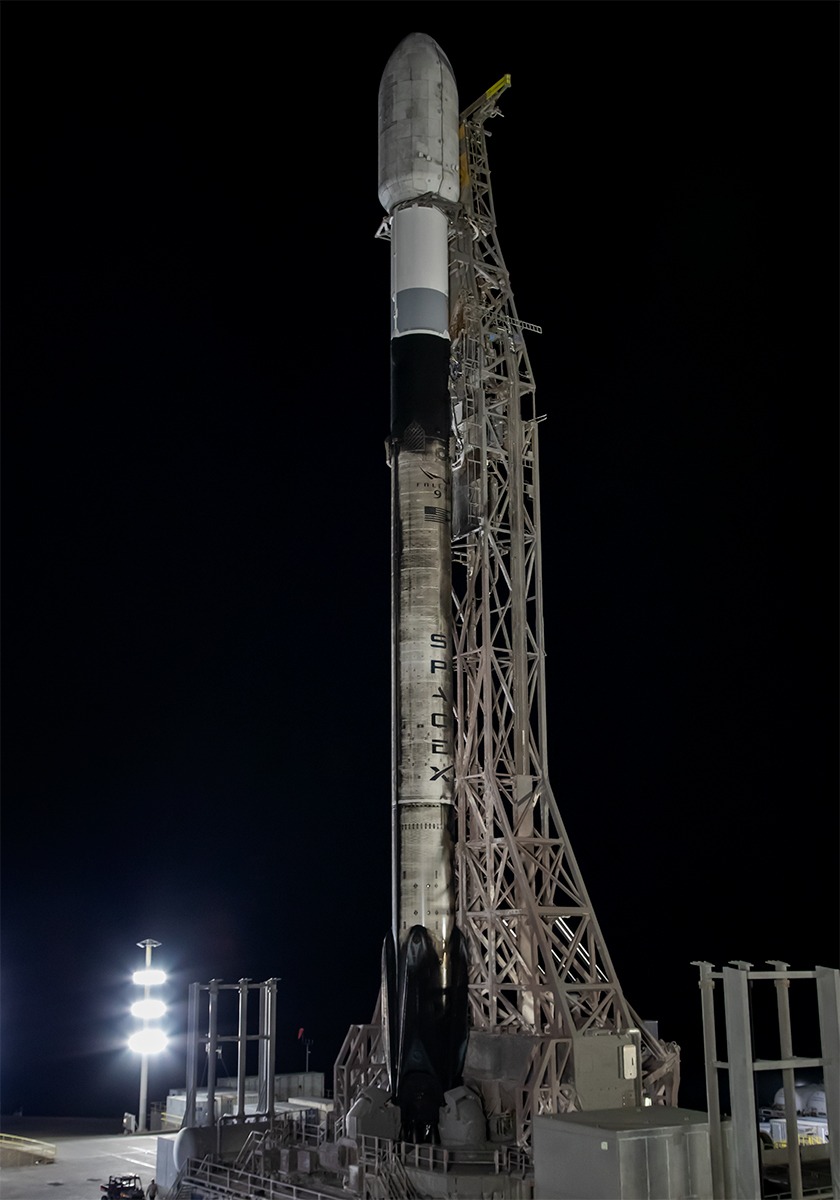
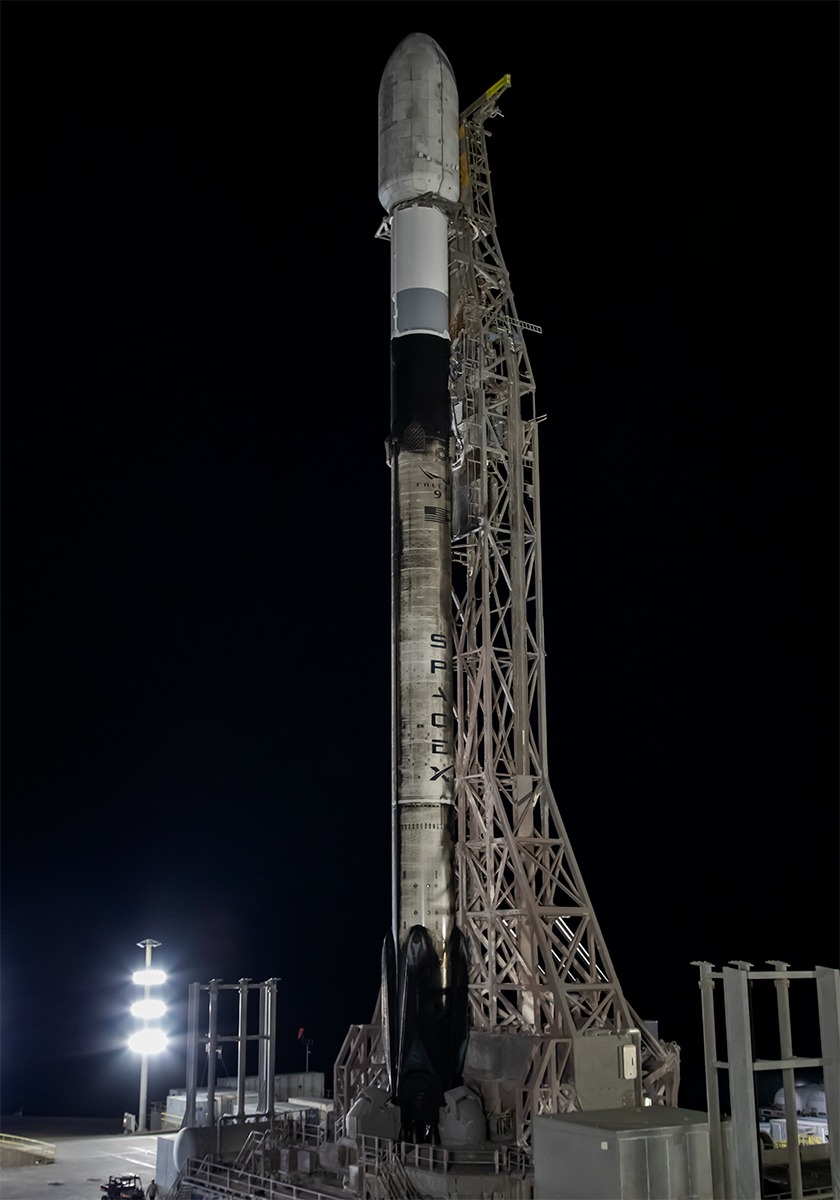
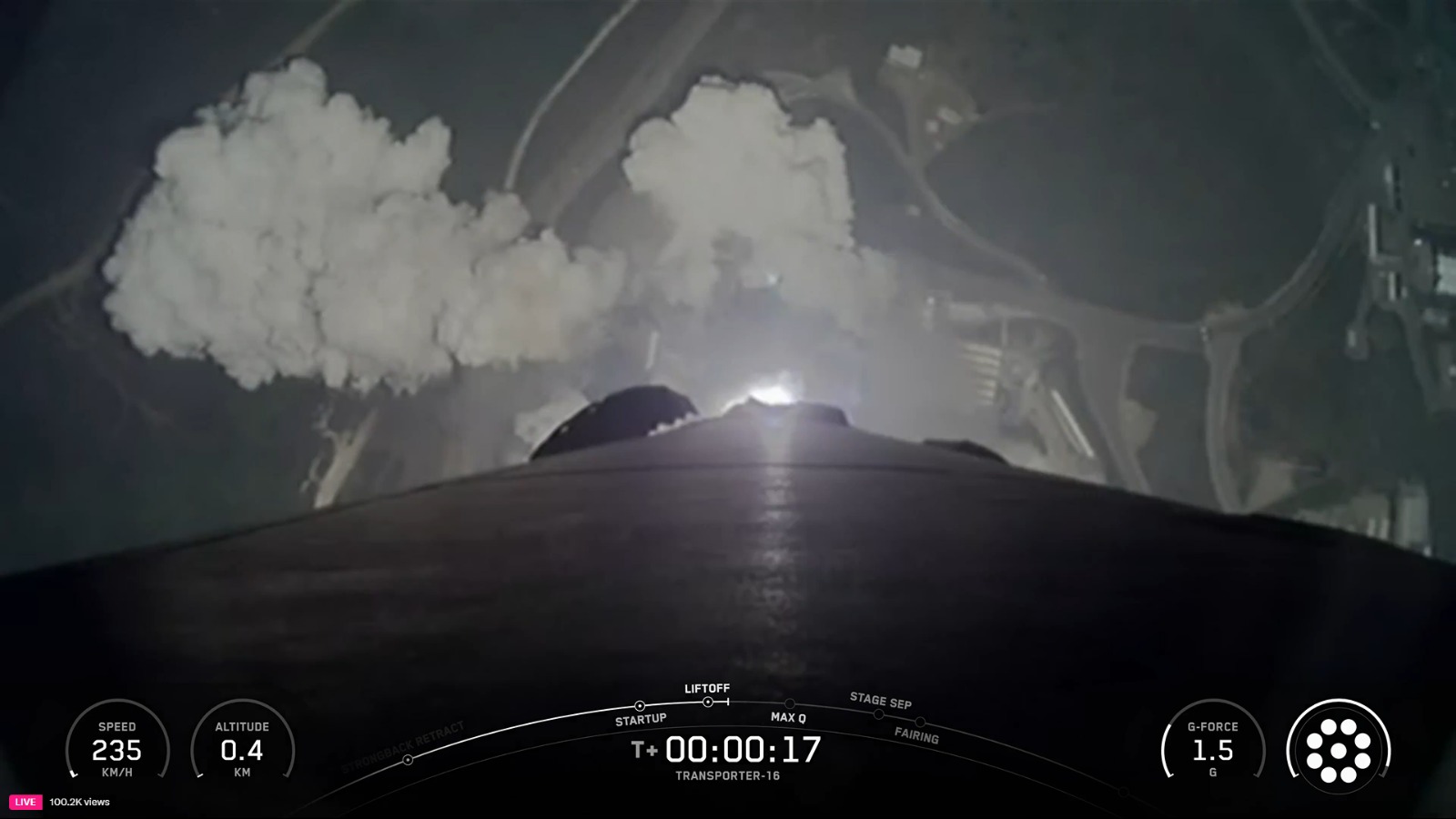
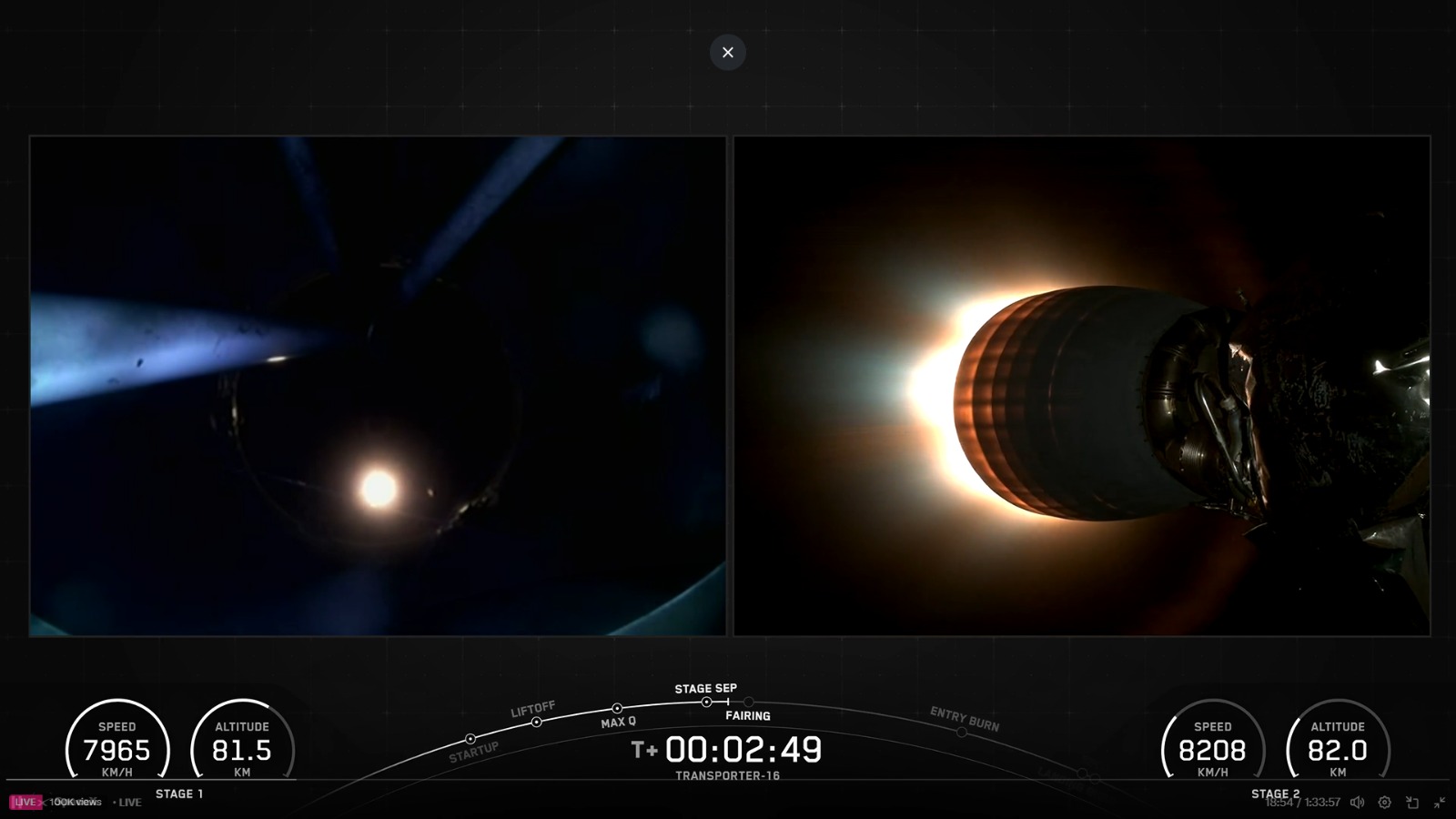
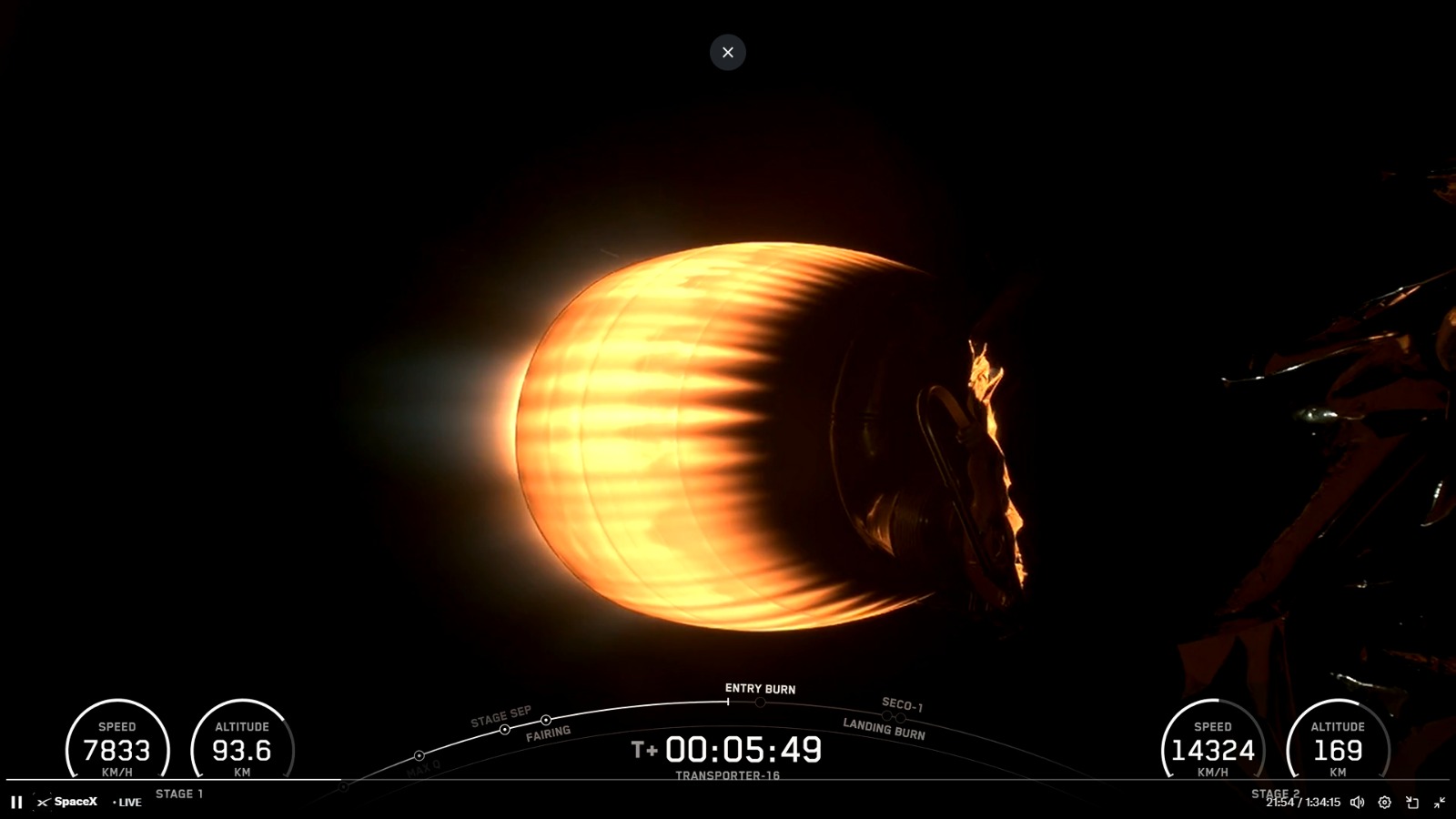
The satellites, after being integrated via Exolaunch and D-ORBIT into SpaceX’s Falcon 9/Transporter-16 (T-16) rocket, were launched on March 30 at 14:02 GMT from Space Launch Complex 4E (SLC-4E) at Vandenberg Space Force Base, California. The successful launch and orbital placement is a continuation of the “National Microsatellite Program,” which now establishes our country in the modern technological and space ecosystem.
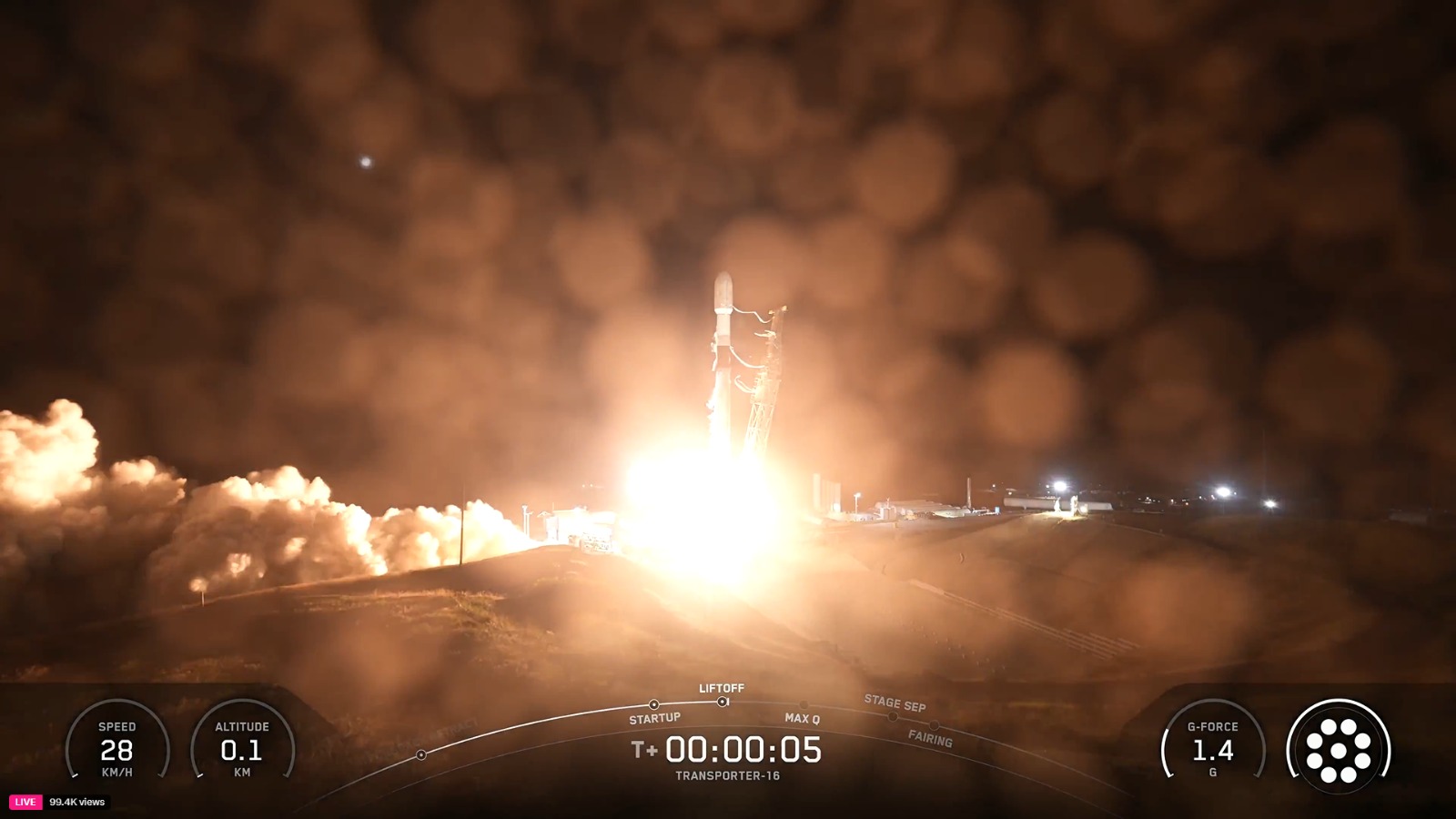
Specifically, the Greek launch of the T-16 included:
– Two research cubesatellites named ERMIS-1 and ERMIS-2, developed by the National and Kapodistrian University of Athens (EKPA) in collaboration with OQ Hellas and other national institutions, aiming to demonstrate secure satellite connectivity and Internet-of-Things (IoT) technologies from space.
– Three experimental, research satellites named ERMIS-3, PeakSat, Optisat developed by EKPA, Aristotle University of Thessaloniki (AUTH) and Planetek respectively. They will focus on applications for secure optical satellite connectivity and (Internet of Things – IoT). The aim will be a coordinated interconnection with the three optical base stations under upgrade in cooperation with the national observatories (Chelmos, Skinakas, Cholomontas).
With the five new satellites, Greece is strengthening its capabilities in secure satellite communications services. These satellites are part of the array of 11 experimental satellites being developed in the framework of the “National Microsatellite Programme”. It will provide important data to develop expertise and capabilities for space technology development with application in critical areas such as communications, mapping, navigation, precision agriculture, land use planning and natural disaster response.
It is worth noting that the “National Microsatellite Programme”, which is being implemented by the Ministry of Digital Government and Artificial Intelligence with the support of the European Space Agency (ESA) and funded through the Recovery and Resilience Fund, is progressing according to its initial planning.
The Minister of Digital Governance and Artificial Intelligence, Dimitris Papastergiou said: “Today’s launch of five more Greek microsatellites confirms the dynamic course of our country in the new digital and space era. “We are systematically investing in knowledge, innovation and human resources so that Greece is not just a user of technology, but a producer of solutions with international appeal. The National Microsatellite Programme is a strategic driver of growth, strengthening domestic industry, cooperation between universities, research institutions and businesses and creating new, quality opportunities for young scientists. With planning, consistency and extroversion, we are building a strong space ecosystem that serves the economy, security, resilience and the daily lives of citizens, opening new horizons of sustainable development for our country. Each new launch brings Greece closer to a future where knowledge and innovation chart our own course.”

The Secretary General of Telecommunications and Post, Konstantinos Karantzalos said: “Today’s success is the result of conscious investment in and development of Greek human resources and domestic technological capabilities. With the participation of universities, research institutions and small and medium-sized Greek enterprises, we are strengthening the prospects for sustainable development of the national space industry. We recall that the broader National Space Programme, of which these five cubesatellites are part, lays the foundations for a new era and new related cutting-edge programmes, where Greece will not be a mere user, but a producer and exporter of know-how in the field of aerospace.”