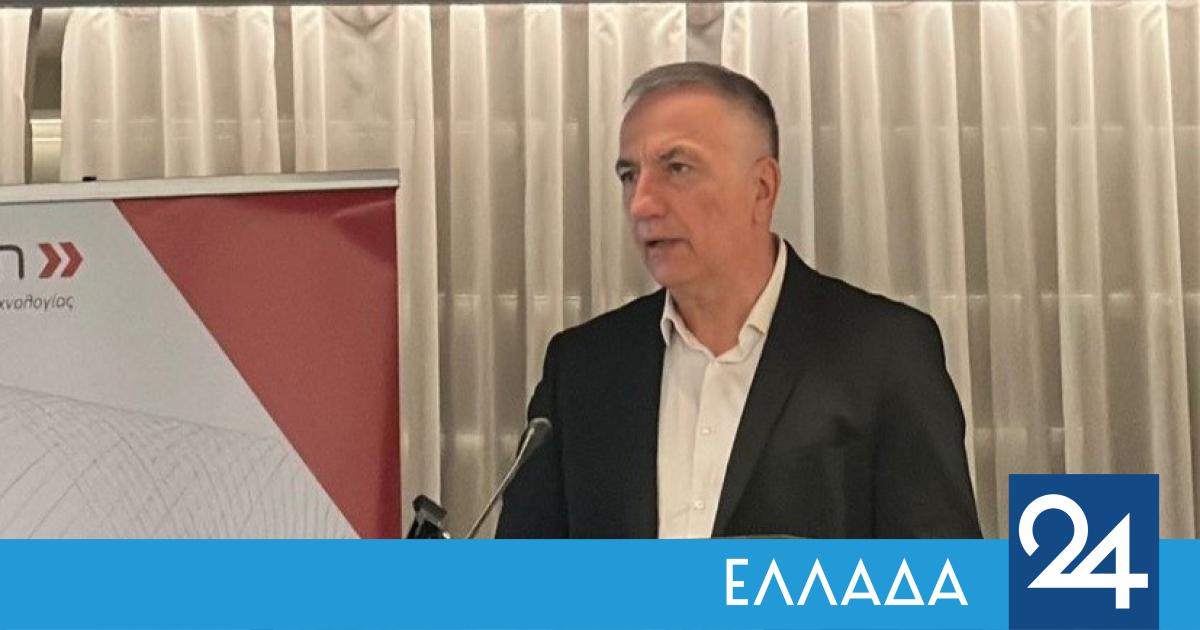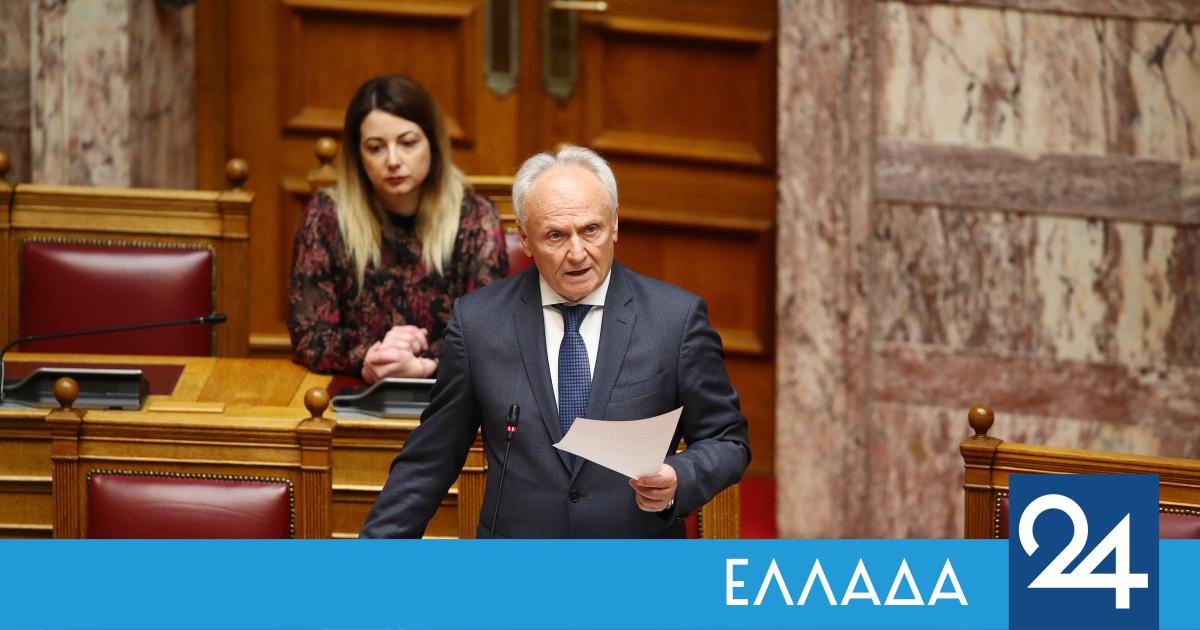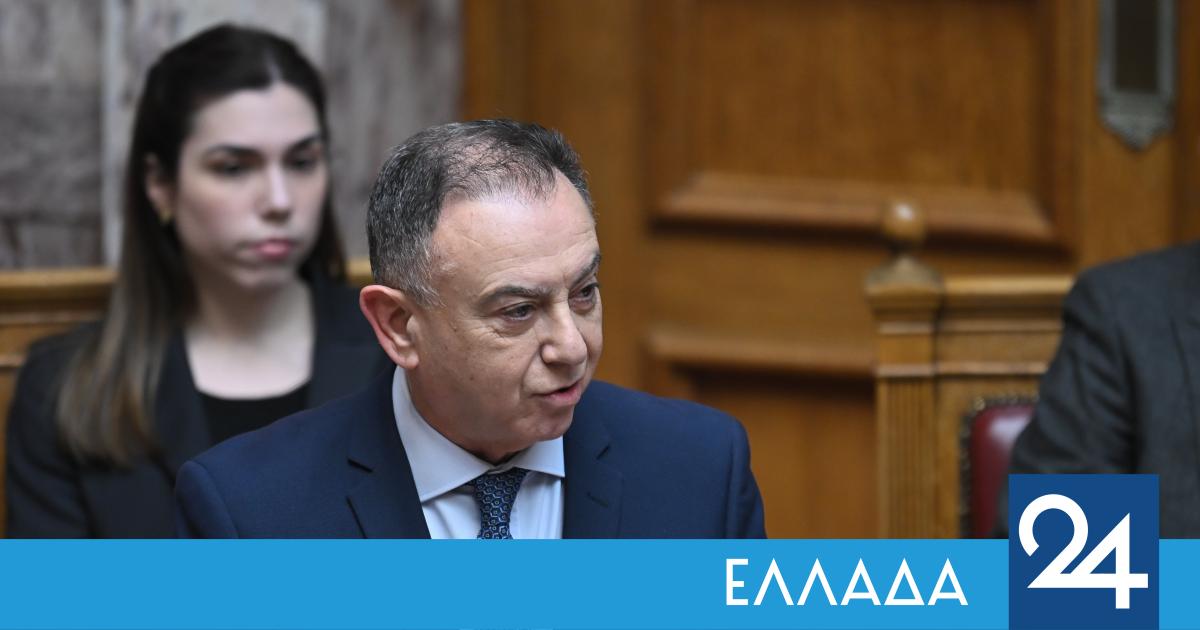
Killery is not only a place of historical memory but a living symbolism for the modern struggles of the primary sector, said Deputy Minister of Rural Development and Food, Christos Kellas from Killery, in the context of the commemoration of the historical uprising of the farmers.
“In 1910 the farmers fought for land. Today they are fighting to be able to live off it,” he said, describing an environment of intense pressures, with increased production costs, energy burdens, price uncertainty and the impact of the climate crisis.
He stressed that agricultural policy is a profound national policy, as it is directly linked to food sufficiency and regional cohesion, and referred to the importance of the Common Agricultural Policy (CAP) in ensuring rural income.
In this context, he outlined the key interventions of the government to support the primary sector:
– Reduction of production costs, with interventions in agricultural oil and energy costs.
– Significant support for fertilizers and animal feed, in response to international pressures.
– Significant support for fertilizers and animal feed, in response to international pressures.
– Direct payments of more than €3 billion per year through CAP.
– Direct aids of more than €3 billion per year through CAP.
– New ELGA regulation, with increased compensation and better risk coverage.
– New ELGA regulation, with increased compensation and better risk coverage.
– Regulation of agricultural loans, which gives a breathing space to thousands of producers.
–
Among other things, Kellas stressed the need to renew the rural population, noting that “without young people, there is no tomorrow”, while he referred to the enhanced programmes for young farmers and the improvement of access to finance.
He made special reference to the issue of water and infrastructure, stressing that “without water, there is no agriculture”.
Finally, he pointed out the need for transparency in the market and protection of Greek products, with enhanced controls and traceability systems, as well as the importance of the green transition, with emphasis on resistant crops, resource saving and energy autonomy.