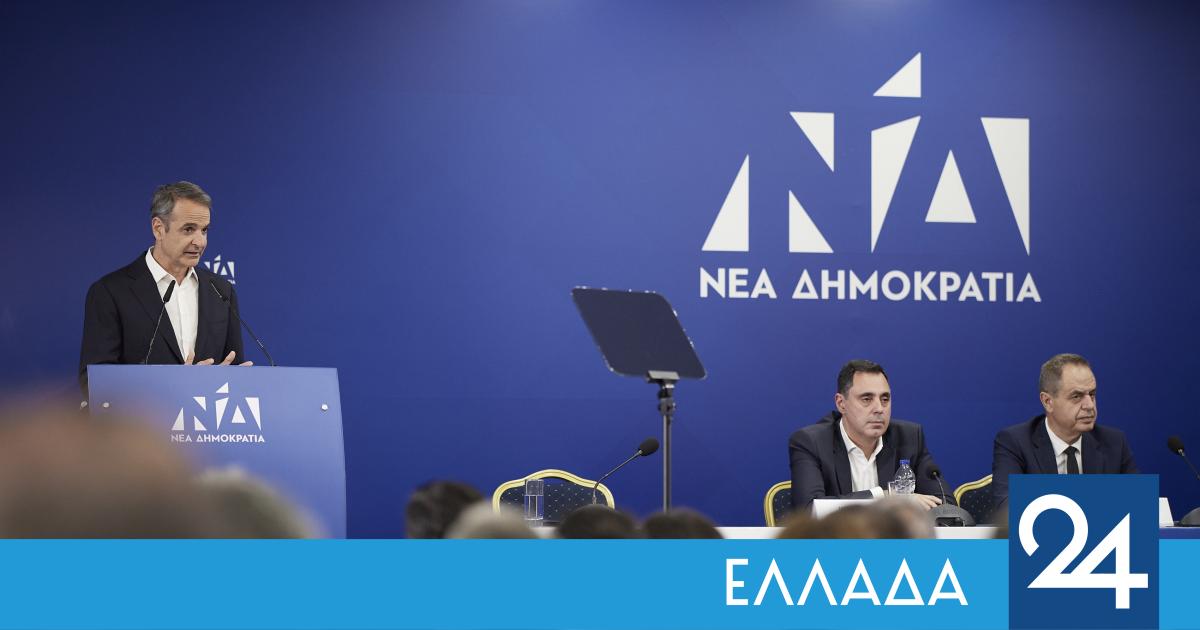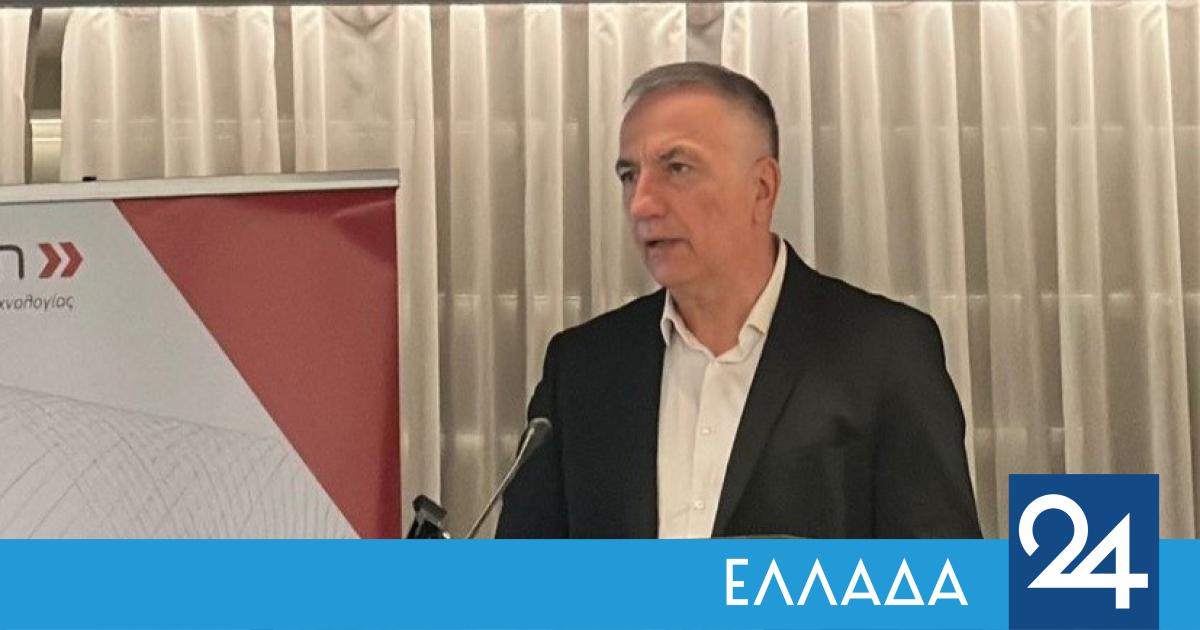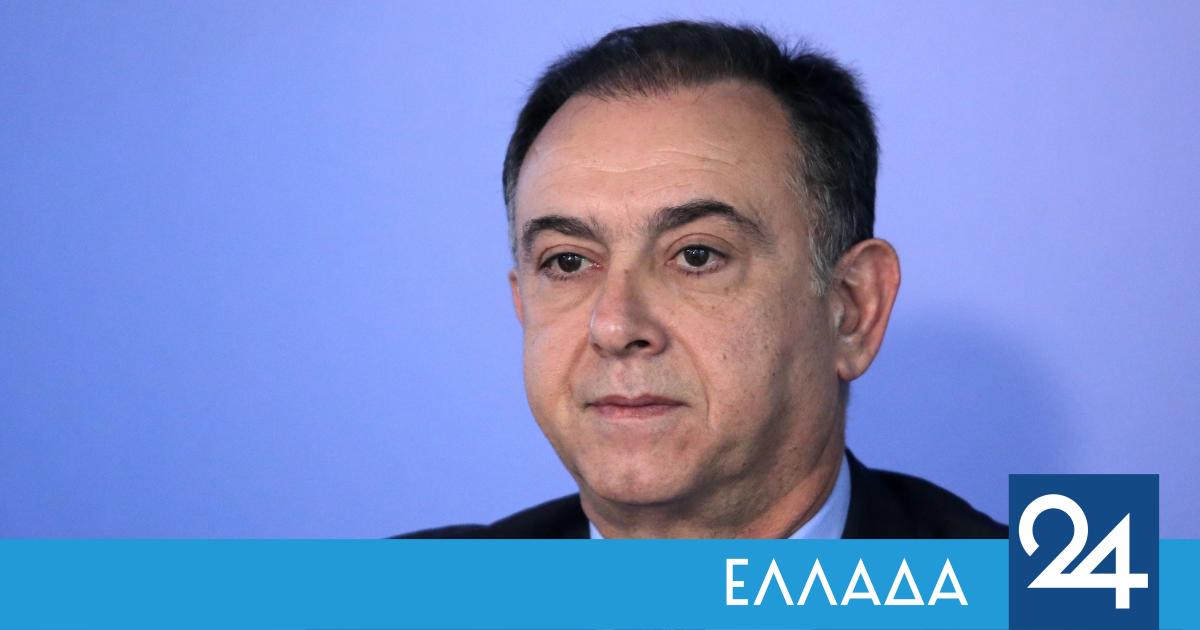
Greek wine is a product of quality, culture and extroversion, stressed Deputy Minister of Rural Development and Food, Christos Kellas, during his address to the General Assembly of the National Interprofessional Organisation of Vine and Wine (EDOAO).
According to data presented, in 2025, exports increased by 12% in volume, while at the five-year level there was an increase in both value (+6.7%) and quantity (+2.2%). At the same time, European Union markets continue to be the main pillar of exports, with an increase of 18.6% in the same year.
Speaking on the challenges facing the sector, he said that the climate crisis, geopolitical developments and increasing international competition are creating a challenging environment for the industry, noting however that the State’s response is clear: plan, adapt and strengthen.
The Deputy Minister presented the support grid through the Common Agricultural Policy, noting that support for the sector is specific and measurable, with annual resources directed to critical axes.
Specifically:
– €8.4 million for the restructuring of vineyards
– €7.2 million for investment in the wine sector
– €5 million for promotion in third countries
– €1.4 million for information and training
Kellas said that the main priority is the transition from quantity to value, saying that “it is not enough to increase the quantity, we must also increase the value of the product”. In this direction, according to him, emphasis is placed on PDO and PGI wines, on improving quality and on the strategic positioning of Greek wine in high value-added markets, with Greek varieties now acting as strong “ambassadors” of the country abroad.
Regarding support for the vineyard, he pointed out that our country does not choose to shrink cultivation, but invests in maintaining production, boosting producers’ income and the sustainability of the countryside.
He added that the next step is to further exploit the potential of Greek wine, with the aim of boosting exports, expanding presence in new markets and increasing the average value of the product.
For her part, the Secretary General for EU Resources and Infrastructure, Argyro Zerva, speaking about the framework of support for the wine sector through the Strategic Plan of the CAP 2023-2027, stressed that the interventions of Pillar I and Pillar II are used in combination, covering the entire productive and business activity, from primary production to processing and marketing, including local LEADER programmes.
He placed particular emphasis on the new intervention for the protection of the Attica vineyard, which was recently included in the CAP Strategic Plan, supporting the income of producers and the preservation of the rural landscape.
Finally, he highlighted wine tourism as a field with significant development potential, noting that the next step is to strengthen transnational cooperation, drawing on the experience of the LEADER programmes and interregional actions.