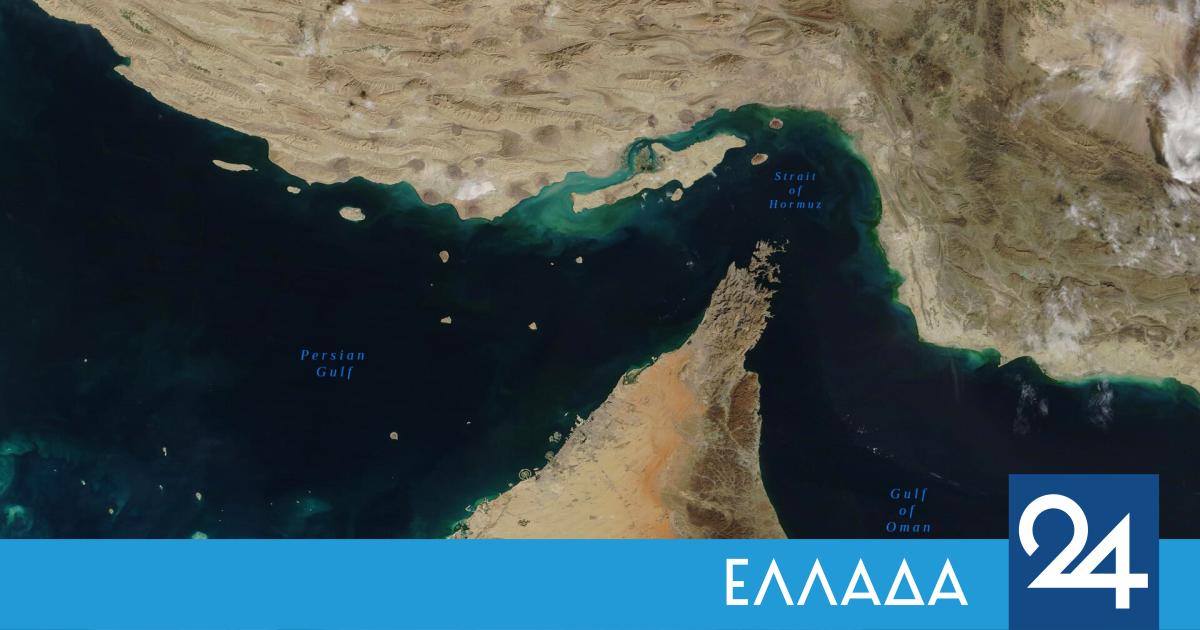
The Strait of Hormuz will be open, but under new conditions set by Iran and Oman, including transit fees, the Iranian ambassador to Russia said.
Due to the war in Iran, transit through the strategically important Strait, through which in peacetime about a fifth of the world’s hydrocarbon production passes, has been effectively cut off. Some tankers have managed to pass through Hormuz recently, but the flow of oil and LNG is extremely limited.
“Of course this Strait will be open, but under new conditions which will be determined by the Iranian and Omani authorities,” Ambassador Kazem Jalali told Russian newspaper Izvestia. “Iran and Oman offer some services in relation to the Strait. And fees will be imposed for these services,” he added without giving further details.
Iran insists that the agreement to end the war with the US and Israel should include the imposition of fees for ships transiting the Strait of Hormuz, which will vary depending on the type of ship, its cargo and the prevailing conditions.
The US is completely opposed to this proposal. In late May, Washington warned Oman not to take part in any Iranian attempt to impose tolls on the Strait of Hormuz, and US Treasury Secretary Scott Besed said Oman’s ambassador informed him that there are no plans to impose transit fees.