Washington expressed cautious optimism yesterday (Thursday), its expectation that diplomatic efforts would allow progress to be made and an agreement to end the war with Iran to be reached, saying it looked forward to a visit to Tehran by a Pakistani mediator.
“I believe the Pakistanis are going to Tehran tomorrow (p.We hope that will allow things to move forward,” U.S. diplomatic chief Marco Rubio said yesterday before heading to Sweden to attend a NATO meeting.
US Secretary of State Rubio yesterday referred to progress in the indirect talks.
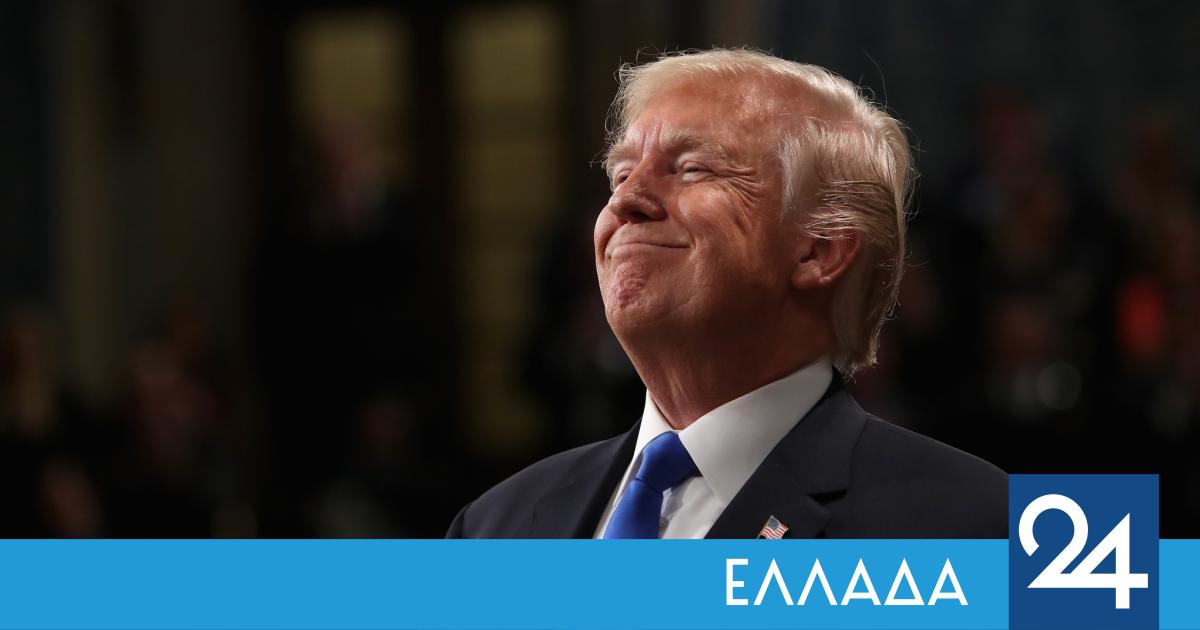
A day earlier, President of the USDonald Trump was talking about a situation “on the borderline” between reaching a deal or resuming hostilities.
According to the Iranian News AgencyISNAand other MME, Pakistan’s all-powerful chief of general staff, Asim Munir, is expected in the Iranian capital to “continue talks with Iranian officials”.
Pakistan has not, however, officially confirmed the trip at this stage.
Islamabad has recently been multiplying its mediation efforts. Interior Minister Mohsin Naqvi has traveled to Tehran twice in a few days to deliver the latest U.S. proposal, which the Iranian side has confirmed it is studying.
The Islamic Republic, however, insists and reiterates its demands, in particular the “release of Iranian resources frozen” abroad and an end to the US blockade of Iranian ports. While reiterating that it will “never” give in to any “intimidation.”
The Revolutionary Guards–Iran’s ideological army–threaten that if the war resumes, “this time it will extend far beyond the region.”
“Kokkini zone”
Since a fragile ceasefire was announced on 8April, after more than a month of war, the negotiations seem to be on hold, with both sides sticking to their positions and exchanging threats.
The only meeting between delegations of the two sides, on 11April in Islamabad, was fruitless.
The war that broke out with the attack by the US and Israel against Tehran on February 28 28, has claimed the lives of thousands of people, the vast majority of them in Iran and Lebanon, where the pro-Tehran Shiite Hezbollah movement is active. Israel invaded the country, seized a sector of it and continues its strikes despite a theoretical ceasefire having been declared there as well.
Nine people were wounded yesterday in a strike on a hospital in the southern city of Tabnin, according to authorities in Beirut.
According to US President Trump, reaching a deal would save “a lot of time, energy and lives”, and could be concluded “very quickly, in a matter of days”.
The occupant of the White House is looking for a way to end this war, unpopular in his country, which is causing increasing problems for the world economy, above all because of Tehran’s closure of the strategic Strait of Hormuz. Through it, under normal circumstances, passes one-fifth of the crude oil and LNG exported from the Middle East to the rest of the world.
The black gold market is at risk of entering a “red zone”, with a shortage of supply, “in July or August” if there is no lasting resolution to the conflict, the International Energy Agency (IEA) fears.
.
American media reported a “standoff” between Donald Trump and his staunch ally Benjamin Netanyahu, citing a tense phone call on Tuesday.
Israel seeks to overthrow the Islamic Republic, a sworn enemy of the Jewish state, while “for the US, the priority is always to prevent Tehran from acquiring nuclear weapons” from Tehran “even if it means concluding an agreement with the current regime,” believes Danny Kittrinovich, a researcher at the Institute for National Security Studies at Tel Aviv University.
Parallel, Marco Rubio yesterday criticized US allies in NATOfor their refusal to “do anything” to support Washington in its war with Iran, something that has “greatly annoyed” the Trump administration.
In Hormuz, Iran formalized earlier this week the establishment of an agency charged with overseeing this strategically important sea artery and a priori collecting tolls.
The “Persian Gulf Strait Authority” (GCC) also claimed yesterday Thursday a control zone extending as far as waters south of the UAE port of Fujaira, which is at the heart of Abu Dhabi’s strategy to bypass the strait blockade.
“To (p.σ. Iranian) regime is attempting to impose a new reality,” he arguedreacting through Xan adviser to the Emirati president, Anwar Gargas, describing the Iranian project of “controlling the strait” as “chimeras”, or “pipe dreams”.
At the same time, the Emirates announced a new aid package, costing more than 350 million euros, earmarked for several of its companies.
The economic impact of the armed conflict is also hitting the eurozone; the European Commission has revised down its growth forecasts for the 21 countries sharing the single currency.